Wegener & Sohn Joins Global Ethanol Association | Mariner News
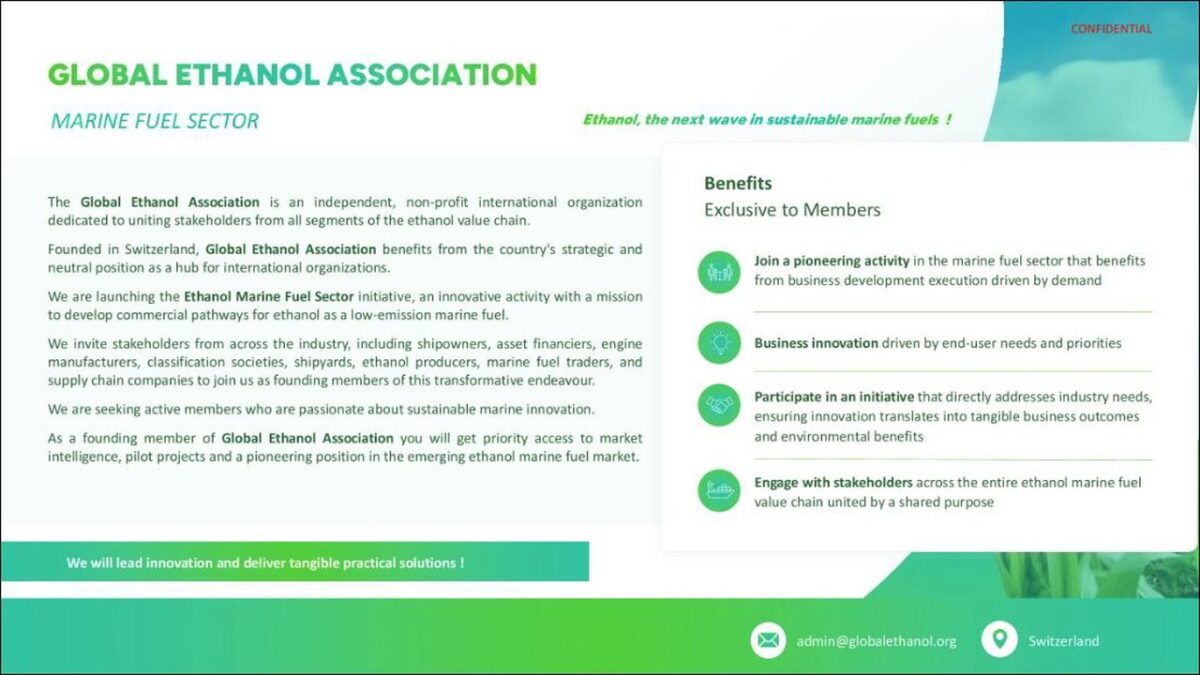
In a significant move poised to accelerate the maritime industry’s pivot towards cleaner energy, the distinguished German bunker firm Heinrich Wegener & Sohn Bunkergesellschaft has officially announced its membership with the Global Ethanol Association. This strategic alliance marks a pivotal moment for both organizations, signaling a reinforced commitment to advancing the adoption of ethanol marine fuel and fostering sustainable shipping practices across the globe. As the shipping sector intensifies its efforts to decarbonize, the integration of long-standing industry players like Heinrich Wegener & Sohn into advocacy groups focused on alternative marine fuels is not merely noteworthy but essential for practical implementation and widespread adoption.
Heinrich Wegener & Sohn, a family-owned enterprise with an impressive legacy spanning nearly a century in maritime logistics and fuel supply, brings invaluable operational expertise and a deep understanding of the global bunker market to the Global Ethanol Association. Established just last year, the association has rapidly emerged as a leading proponent for ethanol, championing its viability and potential as a low-carbon fuel for marine vessels. This partnership is anticipated to significantly bolster collaborative initiatives aimed at developing robust ethanol bunkering infrastructure, streamlining supply chains, and educating stakeholders about the environmental and operational advantages of ethanol. The combined strength of a reputable bunker trader and a dedicated advocacy group is crucial in navigating the complexities of the energy transition.
A Strategic Alliance for Sustainable Marine Fuels
The collaboration between Heinrich Wegener & Sohn and the Global Ethanol Association is more than just a membership; it represents a unified front in the push for sustainable shipping. The Global Ethanol Association’s mission to promote ethanol as a viable and environmentally friendly marine fuel aligns perfectly with the growing demand for low-carbon fuels within the maritime sector. With its long-standing reputation since 1929, Heinrich Wegener & Sohn offers practical insights into the challenges and opportunities associated with new fuel adoption, from logistics and storage to safety and operational integration. Their participation will be instrumental in bridging the gap between theoretical advocacy and practical implementation.
This partnership underscores a broader industry trend where traditional marine bunkering companies are actively engaging with renewable energy solutions. By joining forces, they aim to accelerate the development and deployment of ethanol as a key component of the future fuel mix. Such alliances are critical for fostering cross-sector collaboration, which is essential for developing comprehensive solutions for the decarbonization of the shipping industry. The association expressed its enthusiasm for the new member, highlighting the valuable expertise and leadership Heinrich Wegener & Sohn brings at a time when the urgency for cleaner marine fuels is paramount. This move is a testament to the increasing recognition of ethanol’s potential.
Heinrich Wegener & Sohn: A Legacy in Marine Bunkering
For nearly a century, Heinrich Wegener & Sohn Bunkergesellschaft has been a stalwart of the German bunker firm landscape, cultivating a reputation for reliability and excellence in supplying marine fuels and lubricants. Founded in 1929, the company has navigated numerous shifts within the maritime logistics arena, consistently adapting to industry demands while maintaining its core values. Their extensive experience encompasses a vast network of operations and a profound understanding of global supply dynamics, making them a formidable player in the bunker supply chain.
This rich history positions Heinrich Wegener & Sohn uniquely to contribute to the fuel transition currently underway in the shipping sector. Their expertise in handling, storing, and delivering conventional marine fuels provides a solid foundation for transitioning to alternative marine fuels like ethanol. The move to join the Global Ethanol Association is a forward-thinking step, showcasing the company’s commitment not only to its legacy but also to embracing innovation and contributing to a more sustainable future for shipping. This proactive approach highlights their leadership in an evolving industry, demonstrating a readiness to invest in cleaner solutions.
Ethanol’s Growing Role as a Green Marine Fuel
Ethanol is rapidly gaining traction as a promising green marine fuel, often discussed alongside methanol due to their similar chemical properties and handling requirements. This similarity is a significant advantage, as it means ethanol can often be stored in the same types of tanks, blended in various ratios, and utilized with existing bunkering infrastructure, requiring only minor software adjustments rather than entirely new hardware. This compatibility makes the transition to ethanol marine fuel more accessible and cost-effective for shipowners and operators, significantly reducing the barriers to adoption.
Beyond its logistical benefits, ethanol offers compelling environmental advantages. As a low-carbon fuel, it contributes significantly to reducing greenhouse gas emissions, particulate matter, and other pollutants when compared to traditional fossil fuels. Sourced from renewable biomass, bioethanol offers a pathway to near-zero lifecycle emissions, contingent on sustainable production methods. This makes it an attractive option for the shipping industry striving to meet stringent international environmental regulations and achieve its decarbonization goals. The Global Ethanol Association’s focus on promoting these aspects is vital for broader acceptance.
Driving Decarbonization in the Shipping Industry
The overarching goal of the Global Ethanol Association, reinforced by the membership of Heinrich Wegener & Sohn, is to accelerate the decarbonization of the shipping industry. The sector faces immense pressure to reduce its environmental impact and move away from fossil fuels. Ethanol marine fuel offers a practical and scalable solution that can be integrated into existing maritime operations with relatively less disruption compared to some other nascent technologies. This ease of integration is a critical factor in encouraging widespread adoption and achieving meaningful emissions reductions in the short to medium term.
Moreover, the strategic alliance will focus on fostering greater collaboration across the entire maritime value chain. This includes engaging shipbuilders, engine manufacturers, port authorities, and regulatory bodies to ensure that the necessary infrastructure, technology, and policy frameworks are in place to support the widespread use of ethanol. By working together, these stakeholders can overcome common challenges and create an enabling environment for the fuel transition towards cleaner shipping. The concerted efforts of leading bunker firms and advocacy groups are indispensable for systemic change.
Overcoming Challenges and Fostering Collaboration in Ethanol Bunkering
While the promise of ethanol marine fuel is substantial, its widespread adoption also comes with inherent challenges. These include ensuring consistent global supply, standardizing bunkering procedures, and developing robust safety protocols tailored to ethanol. The expertise of Heinrich Wegener & Sohn in marine bunkering will be invaluable in addressing these operational hurdles. Their practical knowledge of fuel logistics, safety regulations, and port operations provides a crucial perspective that will inform the Global Ethanol Association’s strategies for infrastructure development and market penetration.
Collaboration among industry players is key to overcoming these obstacles. The Global Ethanol Association facilitates a platform for sharing best practices, conducting joint research, and advocating for supportive policies. This collaborative spirit extends to educating the maritime community about the benefits and safe handling of ethanol, demystifying any misconceptions, and building confidence in this alternative marine fuel. The collective efforts of members, including influential German bunker firms, are essential for creating a unified approach to sustainable shipping and accelerating the fuel transition. This synergy helps address technical and regulatory aspects efficiently.
The Future Outlook for Ethanol in Maritime Logistics
The entry of a prominent German bunker firm like Heinrich Wegener & Sohn into the Global Ethanol Association is a strong indicator of the optimistic future outlook for ethanol in maritime logistics. As global demand for low-carbon fuels continues to surge, ethanol is poised to play an increasingly significant role in the shipping industry’s energy portfolio. This collaboration will undoubtedly contribute to the accelerated development of ethanol bunkering capabilities in key ports worldwide, making this green marine fuel more accessible to ship operators.
Ultimately, the partnership between Heinrich Wegener & Sohn and the Global Ethanol Association embodies a proactive and forward-looking approach to the decarbonization challenge. It signals a tangible commitment to investing in renewable energy solutions and fostering a more sustainable future for shipping. As the maritime sector continues its journey towards net-zero emissions, such alliances will be instrumental in driving innovation, overcoming barriers, and paving the way for a new era of cleaner shipping powered by advanced, environmentally friendly fuels like ethanol. The trajectory points towards a broadened use of this versatile biofuel.