

US Ethanol Strategy Targets China’s Shipbuilding Dominance
The US looks to leverage ethanol fuel to challenge China's dominance in global shipbuilding by controlling the fueling standards of new vessels.
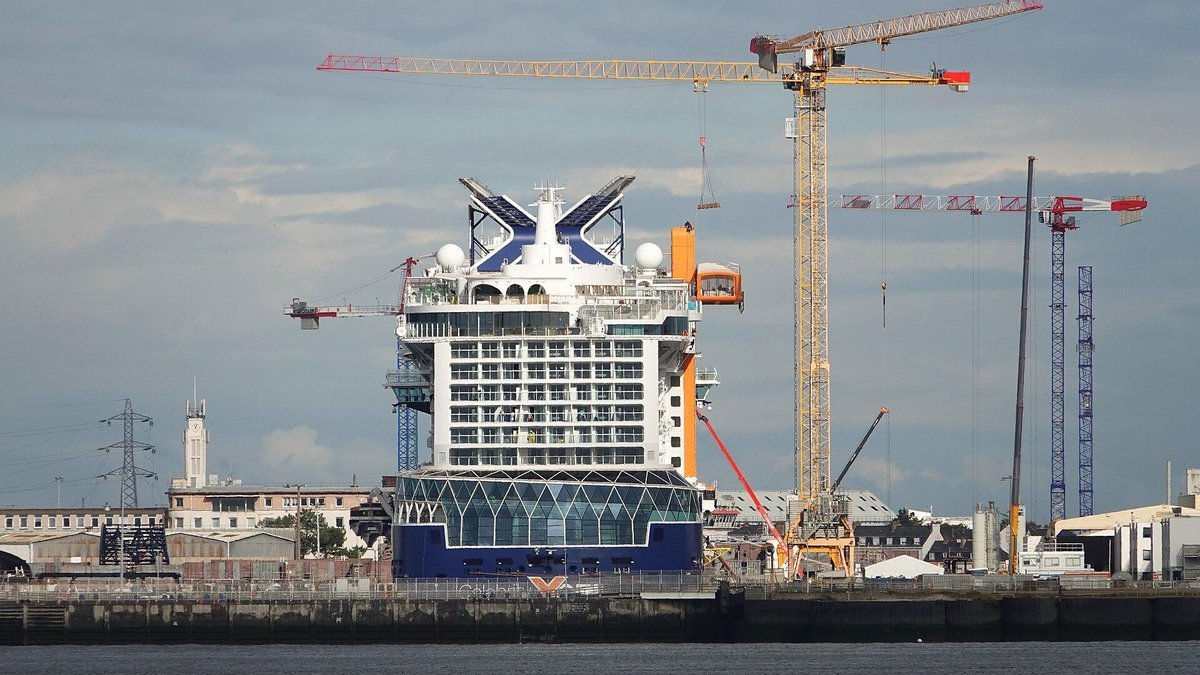
The United States is pivoting its strategy to counter China’s shipbuilding dominance by focusing on the fuel powering the global fleet rather than attempting to outbuild Chinese yards. By positioning itself as a leader in the supply of alternative fuels like ethanol, the US aims to influence the operational requirements of ships built in China.
According to Container News, the American maritime sector is evaluating whether it can leverage its fuel production capabilities to gain a strategic foothold. The approach acknowledges that the US cannot currently match the sheer output capacity of China’s shipyards.
Why it matters
This strategy shifts the focus from vessel construction to the downstream value chain. For shipowners and charterers, the reliance on Chinese-built tonnage creates a structural dependency on the infrastructure and design standards favored by those yards. If the US successfully establishes ethanol as a primary marine fuel, it forces Chinese shipbuilders to adapt their vessel designs to accommodate American-led fueling standards.
For the broader maritime industry, this move suggests that competitive advantage may move away from the shipyard and toward the fuel terminal. If the US can dictate the fuel specifications for the next generation of vessels, it effectively creates a new regulatory and operational barrier that Chinese shipyards must navigate to remain relevant to global operators.
This development risks creating a split in the market between vessels optimized for different fuel types. Operators will need to weigh the cost of building in China against the long-term operational flexibility provided by fuel sources that the US is actively promoting.
What to watch
The next phase depends on the adoption rates of ethanol-compatible engines by major shipping lines and whether US fuel infrastructure can scale to meet international maritime demand.
Source: Container News