

US Ethanol Targets Methanol Fleet to Solve Green Fuel Supply Gap
US ethanol producers are pitching a 2-billion-gallon surplus to fuel methanol-capable ships, offering a ready-made alternative to green methanol.
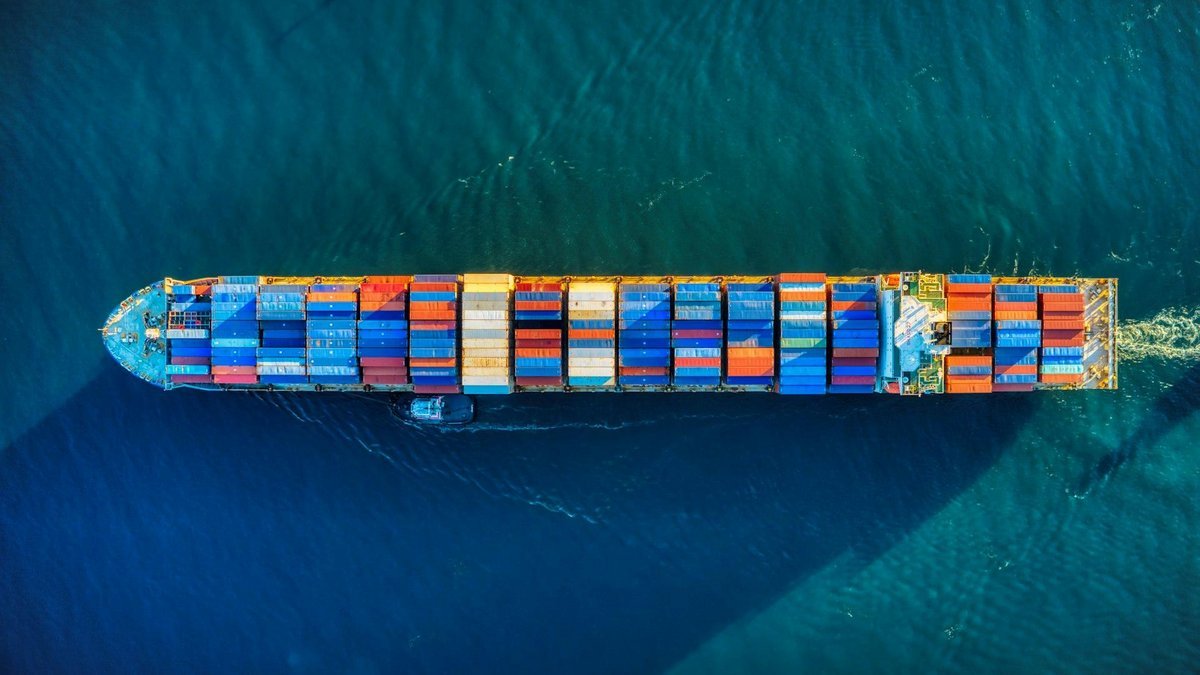
The US ethanol industry is positioning its 2-billion-gallon surplus to fuel the global methanol-capable fleet, offering a ready-made solution to the chronic shortage of low-carbon marine fuels.
A new report from the Maritime Ethanol & Methanol Alliance (MEMA) indicates that ethanol could support more than 300 methanol-capable vessels currently in operation or on order. These ships require only limited modifications to engines and bunkering infrastructure to run on ethanol, either independently or blended with methanol.
The study identifies the US as a primary supplier, with an annual production capacity of 18.5 billion gallons. With projected 2025 demand at 16.4 billion gallons, the industry holds about 2 billion gallons of spare capacity. Supplying 1% of global shipping’s annual fuel consumption would require roughly 1 billion gallons. Reaching a 5% share by the mid-2030s would require 5 billion gallons.
Maersk provided a proof of concept in September, completing the first commercial ship-to-ship bunkering of US-produced corn ethanol. The dual-fuel containership Tangier Maersk took on the fuel in Houston. Technical input for the MEMA study was provided by ABS.
The environmental profile shows sharp improvements over heavy fuel oil. Depending on engine technology, ethanol reduces nitrogen oxide emissions by 40% to 94% and particulate matter by 90% to 99%, according to MEMA.
Why it matters
Owners who bet on methanol-capable tonnage are currently hunting for scarce and expensive green methanol. This development turns a land-based fuel surplus into a maritime solution, potentially lowering the premium for low-carbon operations by utilizing existing US export infrastructure that is already built to scale.
The scale of US production changes the math for charterers looking to meet decarbonization targets. While green methanol production is still in its infancy, the US already has the capacity to meet 1% of total global shipping demand using only its current spare volume. This provides an immediate pathway for the 300 vessels already equipped to burn alcohol-based fuels.
For port and terminal operators, the shift is manageable. Because ethanol and methanol share similar handling characteristics, the infrastructure requirements are not a barrier to entry. The primary hurdle is now regulatory rather than technical, as the industry lacks standardized marine fuel specifications and reliable certification systems for ethanol feedstocks.
What to watch
The International Maritime Organization will discuss its proposed Net-Zero Framework in December, which will determine how these fuels are credited toward carbon targets and whether ethanol gains the standardized specifications needed for global trade.
Source: Splash247