

US and Indonesia Formalize Protection of USS Houston War Grave
A joint diving operation to place a plaque on the USS Houston wreck signals stricter enforcement of war grave protections in the Sunda Strait.
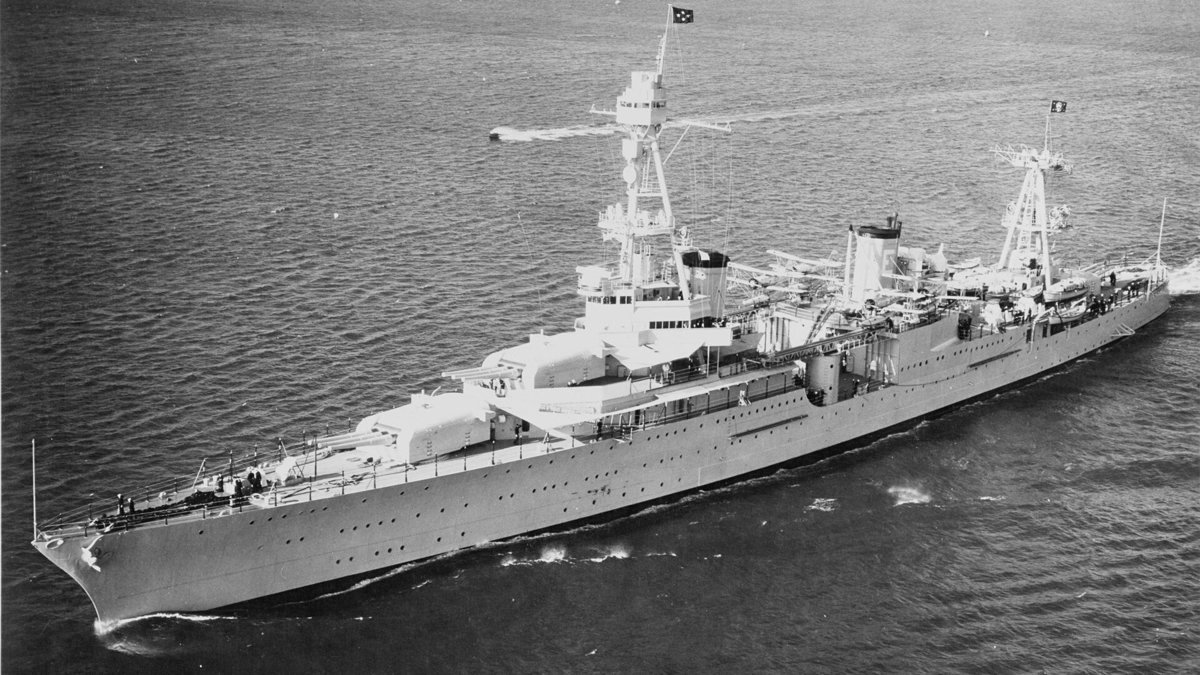
Divers from the U.S. Navy and Indonesia have secured a commemorative plaque to the wreck of the USS Houston, signaling a reinforced diplomatic commitment to protect the site from unauthorized disturbance. The move clarifies the no-touch status of the Sunda Strait wreck for any commercial operators working in these busy Indonesian waters.
The U.S. Embassy in Indonesia confirmed that the plaque was placed near the remains of the Northampton-class cruiser, which was sunk by Japanese gunfire and torpedoes on March 1, 1942. Approximately 650 sailors and marines died when the vessel, nicknamed the Galloping Ghost of the Java Coast, went down during the Battle of Sunda Strait. Only 368 of the 1,100 personnel on board survived to be captured.
The wreck was discovered in 2014 and is designated as a World War II war grave. Under U.S. law, the site cannot be disturbed without explicit authorization from the U.S. Navy. The recent joint diving operation followed a wreath-laying ceremony at Bandar Bakau Jaya Harbor, involving personnel from Commander Task Force 73.
Why it matters
For commercial maritime interests, this plaque is more than a memorial; it is a physical marker of a legal and diplomatic boundary. The joint nature of the installation confirms that the Indonesian government is actively cooperating with the U.S. to enforce the protected status of the site. This alignment reduces the ambiguity that often surrounds salvage rights and wreck protection in Southeast Asian waters.
Operators involved in subsea cable laying, dredging, or salvage must treat the USS Houston site as a permanent no-go zone. Unauthorized contact with the wreck risks legal repercussions from both U.S. and Indonesian authorities. Chief Warrant Officer Chet Schroeter described the plaque as a promise to protect the grave, suggesting that monitoring of the site may become more proactive.
The move also serves as a warning to the illegal salvage market, which has historically targeted WWII wrecks in the region for steel. By formalizing the site protection through a bilateral operation, the U.S. and Indonesia are signaling that the era of turning a blind eye to wreck stripping in the Java Sea and Sunda Strait is ending.
What to watch
Evidence of increased maritime patrols or remote monitoring around the Sunda Strait as both nations move to fulfill the promise of protecting the site from further disturbance.
Source: The Maritime Executive