Ukraine expands drone war to Libya and Baltic targeting Russian ships

Ukrainian naval drones strike Russian merchant and naval vessels off Libya and in the Baltic, expanding the maritime conflict zone.
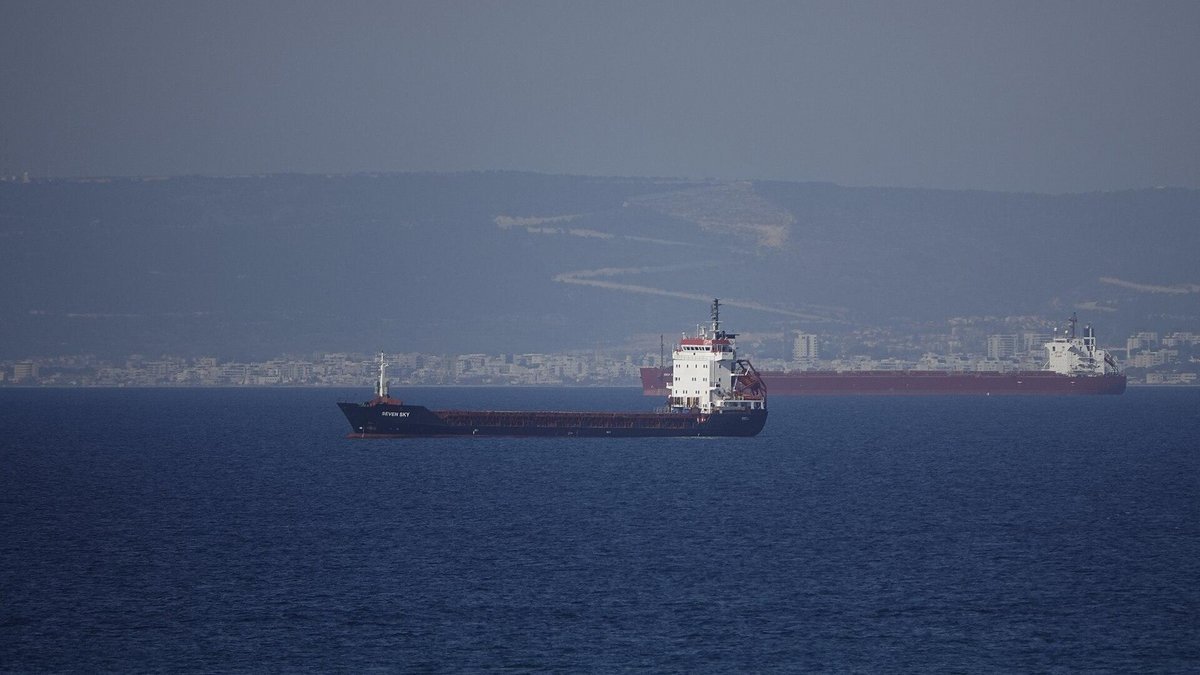
Ukrainian naval drone strikes on Russian vessels off Libya and in the Gulf of Finland signal a global expansion of the maritime conflict, placing Russian-flagged merchant shipping at risk in international waters far from the Black Sea.
President Volodymyr Zelenskyy confirmed on November 23 that Ukrainian forces sank a Russian Navy corvette and destroyed a Ka-27 helicopter off Benghazi, Libya. The operation used seven Ukrainian-made naval drones launched from a mother ship. During the same operation, a Russian ro-ro cargo ship was also hit. Russian forces attempted to intercept the drones from the air, sea, and land, but the drones reached their targets, according to the Security Service of Ukraine (SBU). The extent of damage to the cargo ship and the helicopter’s destruction have not been independently confirmed.
Separately, a Russian-flagged cargo ship caught fire in the eastern Gulf of Finland on November 21 following what Finnish authorities described as a drone attack. The vessel was later towed out of Finnish territorial waters by a Russian rescue ship after two days of firefighting. Kremlin spokesman Dmitry Peskov stated on Monday that the strike in international waters is escalating tensions in the region.
Why it matters
The use of a mother ship to launch drones off Benghazi changes the risk profile for every Russian-flagged vessel in the Mediterranean. Ukraine no longer needs proximity to its own coastline to project force. This tactic allows for the deployment of naval drones in any theatre where a mother ship can transit, effectively ending the geographic limitations of the Black Sea conflict.
Targeting dry cargo ships in international waters—both in the Mediterranean and the Baltic—indicates that commercial vessels are now active targets. For shipowners and charterers, this means Russian-flagged tonnage carries a kinetic risk that insurance markets will likely have to account for outside of the immediate war zone. The Kremlin’s admission that the Gulf of Finland strike is escalating tensions suggests that coastal states in the Baltic may face increased pressure to monitor or restrict Russian-flagged merchant traffic to prevent further incidents.
What to watch
Watch for independent confirmation of the damage to the cargo ship off Libya and any official response from Mediterranean coastal authorities regarding the presence of drone mother ships.