India opens registry to older ships under new technical vetting rules

India’s DGMA has revised age limits for ship registration, allowing vessels over 20 years to join the fleet subject to technical approval.
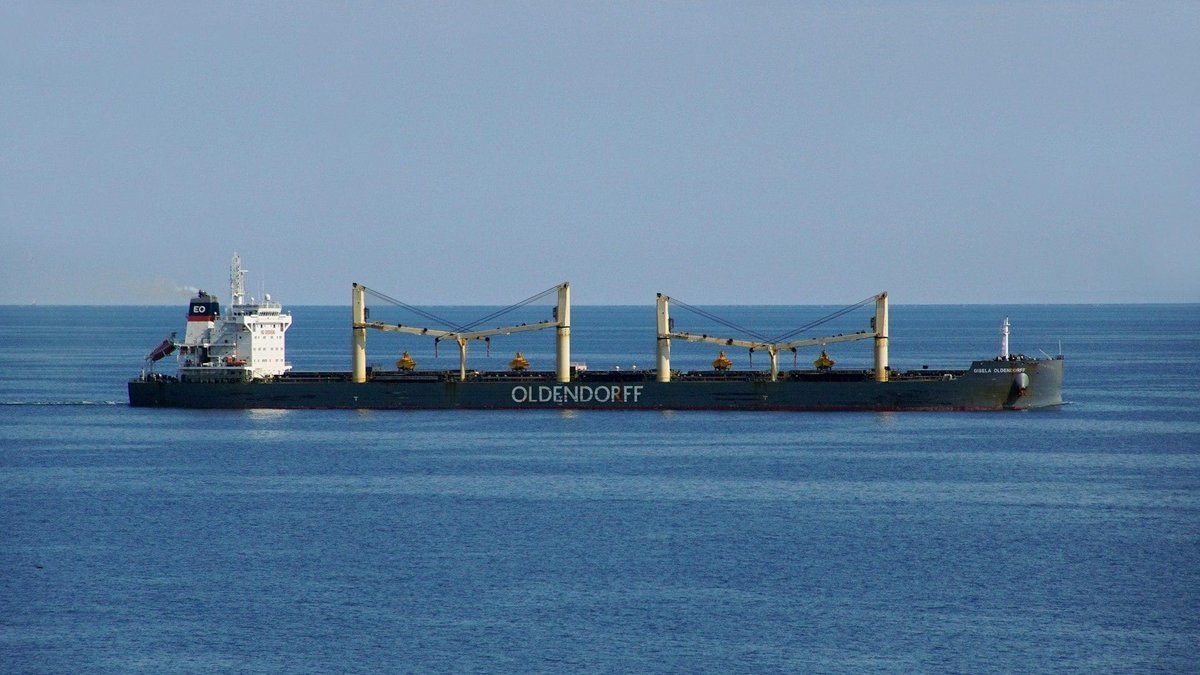
India has scrapped rigid age caps for ship registration, allowing vessels older than 20 years to fly the national flag provided they pass a new technical vetting process. The Directorate General of Maritime Administration (DGMA) issued the order last week, overhauling compliance requirements for the Indian registry and foreign vessels seeking licenses under the Coastal Shipping Act 2025.
Under the new rules, the DGMA has established a five-member standing technical committee to evaluate ships that exceed standard age limits. Oil tankers, bulk carriers, and general cargo vessels under 15 years can register without conditions, while those between 15 and 20 years face specific entry requirements. Any vessel in these categories older than 20 years must now undergo a formal technical assessment for approval.
The relaxation is more generous for specialized tonnage. Dedicated container ships, gas carriers, and chemical tankers can enter the registry without conditions up to age 20. Those between 20 and 25 years are subject to conditions, and vessels exceeding 25 years require the technical committee’s sign-off. Similar rules apply to tugs and barges, with the 20-year mark serving as the threshold for mandatory evaluation.
Why it matters
The move signals a pragmatic shift in New Delhi’s maritime policy, prioritizing fleet growth and coastal capacity over strict age profiles. By opening the door to older tonnage, the government is making it easier for domestic owners to acquire mid-life assets and for foreign owners to participate in coastal trades under the Coastal Shipping Act 2025. This likely aims to increase the immediate supply of tonnage available for Indian coastal routes.
However, the shift replaces a predictable age-based rule with a discretionary one. Owners and financiers now face the uncertainty of a five-person technical panel that holds ultimate authority over approvals. For a bulk carrier owner with a 21-year-old ship, the path to the Indian flag is no longer blocked, but it is now dependent on a bureaucratic review rather than a clear statutory right.
The inclusion of foreign-flagged vessels under these norms means international owners seeking coastal licenses must also meet these revised standards. This aligns the quality requirements for the entire coastal ecosystem, ensuring that while the fleet may get older, it remains under the direct technical oversight of the DGMA.
What to watch
The first rulings from the DGMA technical committee will determine the true barrier to entry, specifically whether technical assessment becomes a rigorous safety hurdle or a routine administrative step for older hulls.