

UAE Contains Oil Spill from Tanker Gem No. 2 After Projectile Strike
UAE authorities have stopped an oil leak from the tanker Gem No. 2 following a reported projectile strike, as structural assessments continue.
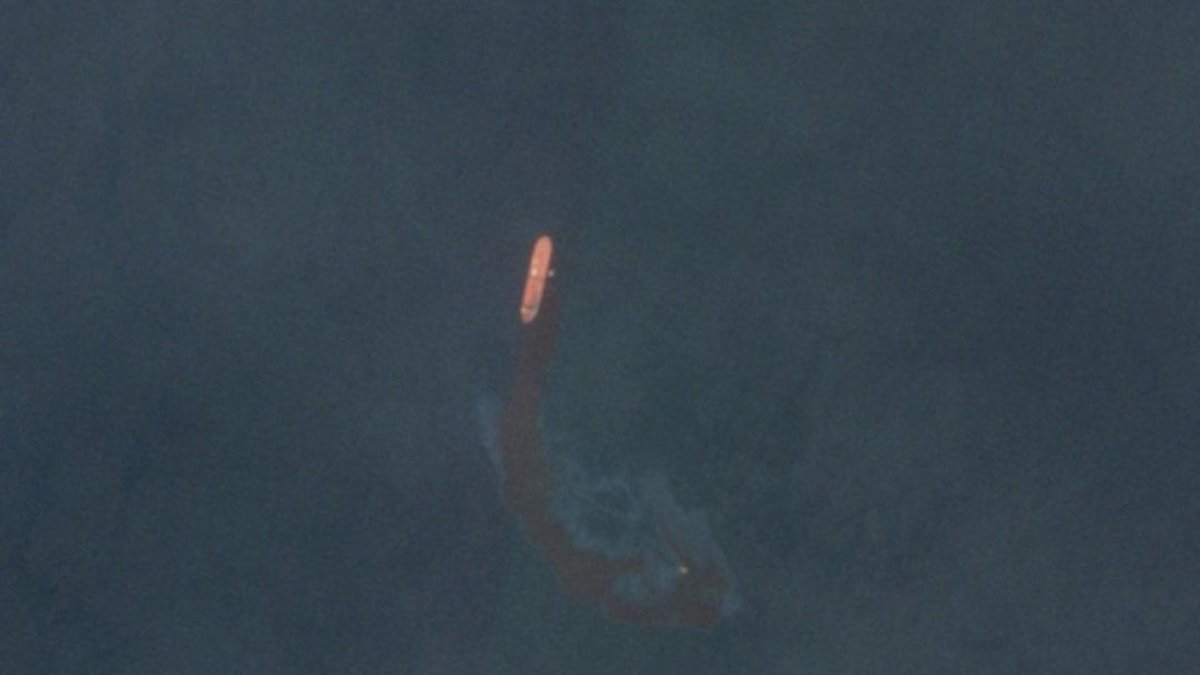
United Arab Emirates authorities have stopped an oil leak from the tanker Gem No. 2 and are now assessing the vessel’s structural integrity to determine the safest method for its removal. The incident, which shipping sources attribute to a projectile strike on October 9, has triggered a large-scale cleanup operation across the northern emirates of Umm Al Quwain, Ras Al Khaimah, Ajman, and Sharjah.
While the UAE environment ministry reported a marked decline in pollution density, the transition from emergency leak containment to structural assessment highlights the ongoing salvage risks. Technical teams have already repaired damaged sections of the tanker and restored several onboard operating systems. However, the decision on how to move or offload the vessel remains pending as officials evaluate whether the hull can withstand the stresses of towing or a ship-to-ship transfer without further environmental compromise.
Infrastructure and Water Security Risks
The spill underscores the acute vulnerability of the UAE’s coastal infrastructure. Because the country relies heavily on desalination plants for its drinking water supply, any marine contamination in the northern emirates represents a direct threat to municipal water security. While the ministry stated that precautionary measures are in place and water distribution remains unaffected, the temporary closure of beaches and coastal areas reflects the sensitivity of the region’s maritime economy.
The incident also signals a widening of the environmental fallout from regional conflict. Although UAE authorities have not officially confirmed the cause of the initial fire, the reported projectile strike on the Gem No. 2 follows a period of heightened security risks for commercial vessels in Gulf shipping lanes. For shipowners and insurers, the event demonstrates that the risk of kinetic attacks now carries a significant secondary liability in the form of complex, multi-jurisdictional pollution response and remediation costs.
Government teams continue to monitor fish and food products in local markets, which have been declared safe for consumption. Field surveys and monitoring by federal and local authorities remain active along the affected coastlines to ensure no secondary leaks occur during the vessel’s stabilization phase.