

Oman Evacuates Tanker Crew as Iran Claims New Attacks
The Omani Navy has conducted an emergency evacuation of 25 crewmembers from the Panama-flagged tanker Riti following an alleged missile strike off the coast of Oman. The 166,729 dwt vessel was reported to be ablaze after being struck while outbound on October 30. This incident follows a separate, confirmed attack on the Suezmax tanker Louise […]
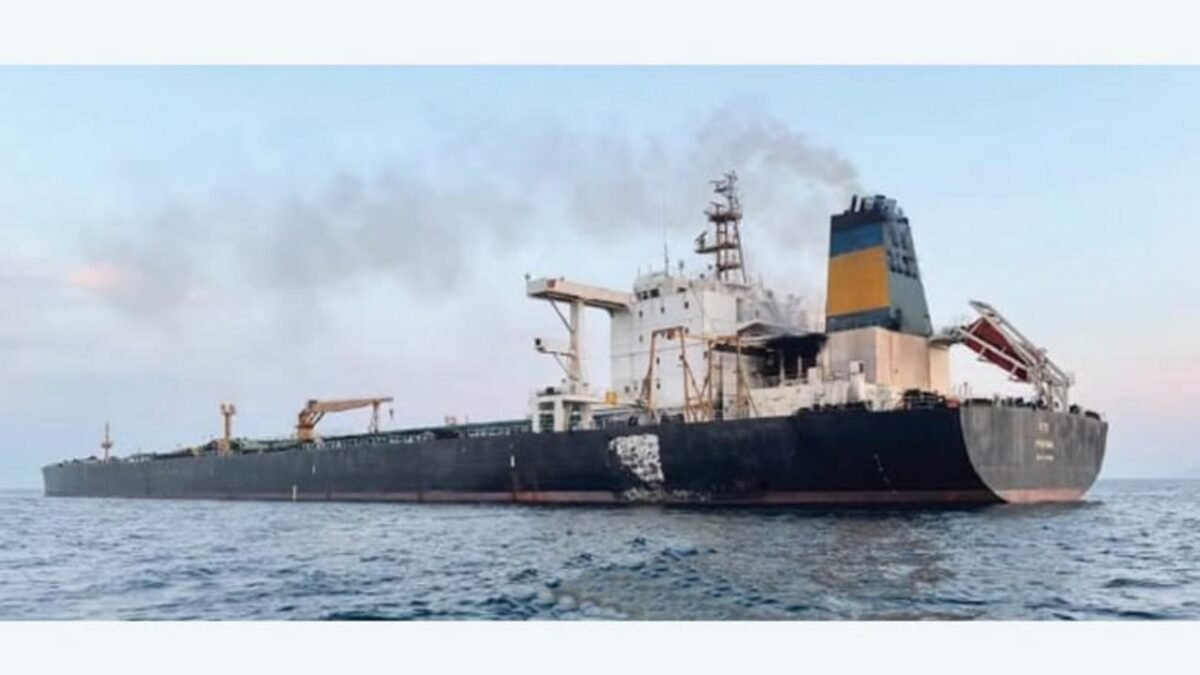
The Omani Navy has conducted an emergency evacuation of 25 crewmembers from the Panama-flagged tanker Riti following an alleged missile strike off the coast of Oman. The 166,729 dwt vessel was reported to be ablaze after being struck while outbound on October 30.
This incident follows a separate, confirmed attack on the Suezmax tanker Louise 1 approximately 25 nautical miles northeast of Oman. In that engagement, the vessel was approached by a small craft, and two limpet mines were attached to the hull above the waterline. While the crew managed to extinguish the resulting fire, the use of limpet mines represents a return to a tactical signature not observed in the region since May 2019.
Operational risks in the Persian Gulf are being compounded by a growing trend of underreporting. As operators increasingly bypass formal channels like the UK Maritime Trade Operations to avoid the commercial and insurance repercussions of incident disclosure, the actual frequency of hostilities remains opaque. This data void complicates risk assessments for regional transit, as the inability to map the true volume of incidents obscures the shifting threshold of Iranian maritime activity.
The targeting of the Louise 1—a vessel previously sanctioned for involvement in the Russian oil trade—suggests a potential narrowing of the target profile to ships already operating within sanctioned or sensitive trade lanes. For the broader shipping community, this signifies that the risk environment is not merely expanding in frequency, but diversifying in intent. Operators of vessels with similar profiles must now account for a higher probability of targeted kinetic intervention, rather than viewing these incidents as incidental collateral damage.