

Trump Extends Jones Act Tanker Waiver Through Early 2027
The White House extension allows foreign tankers to carry U.S. energy products through 2027, challenging domestic shipping interests.
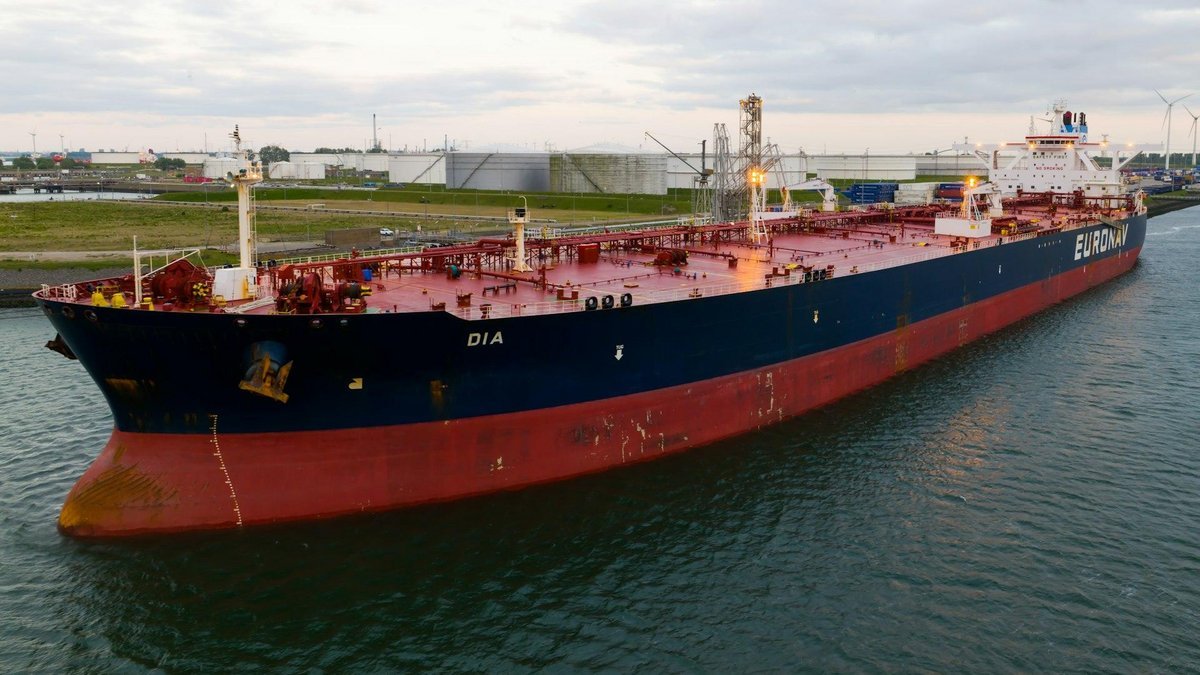
Foreign tankers keep access to U.S. domestic energy trade
The White House has extended a broad Jones Act waiver through mid-February 2027, ensuring foreign-crewed tankers continue to compete for U.S. domestic energy cargoes for at least another two years. This renewal maintains a policy that has already seen 90 million barrels of petroleum move between U.S. ports on foreign-flagged vessels since the waiver period began.
The extension took effect Monday, according to Bloomberg. While the waiver provides more transport options for energy traders and petroleum companies, it faces stiff opposition from domestic shipping interests who argue the policy damages the U.S. maritime industrial base.
The Maritime Administration (MARAD) will continue to pre-review each shipment to assess whether Jones Act-qualified vessels are available before a foreign-flagged ship may carry out a voyage. No additional restrictions were added in this renewal cycle, though the frequency of shipments has reportedly fallen since terms were tightened in previous iterations.
The American Maritime Partnership (AMP) urged the administration to scrutinize all requests to ensure they meet the statutory standard of military necessity. The group maintains that the program exceeds presidential authority because shipments are not linked to operational national security needs as required by law.
Why it matters
For energy traders and petroleum companies, the extension provides a critical logistics safety valve. The 90 million barrels already moved under the waiver suggest that the domestic Jones Act fleet lacks the capacity or the specific positioning to handle current U.S. energy flows without foreign assistance. By extending the waiver into 2027, the administration is prioritizing supply chain fluidity and transport options over the traditional domestic monopoly.
For Jones Act owners and shipyards, the policy creates a persistent competitive threat. The exceptionally broad use of waiver authority, both in duration and scope, signals a shift where foreign-flagged participation in domestic trade is becoming a semi-permanent feature rather than a short-term emergency measure. This likely discourages long-term investment in new U.S.-built tanker tonnage if owners believe the government will simply waive the rules whenever capacity gets tight.
The MARAD pre-review process remains the primary hurdle for charterers looking to use foreign bottoms. This procedural step forces charterers to prove a lack of domestic availability for every single voyage, preventing a total displacement of American vessels while still allowing foreign tankers to pick up the slack in routine commercial moves.
What to watch
The current waiver period is valid through at least mid-February 2027, with the White House already noting the possibility of further extensions beyond that date.
Source: The Maritime Executive