Towngas to Build Green Methanol Plant in Foshan | Mariner News
Towngas, a leading energy provider, is embarking on a monumental project with the construction of a new green methanol plant in Foshan, China. This strategic initiative is poised to significantly bolster Hong Kong’s ambition to become a premier green maritime fuel bunkering hub, marking a pivotal step forward in the global shipping decarbonization efforts. The announcement underscores a growing commitment from industry leaders to transition towards more sustainable and environmentally friendly energy sources within the maritime sector.
This groundbreaking Foshan green methanol plant is not just an investment in infrastructure; it represents a tangible move towards a cleaner future for international shipping. By leveraging advanced biomass gasification technology and utilizing sustainable feedstocks, Towngas is setting a new standard for responsible energy production. The project, spearheaded by Towngas’s joint venture, VENEX, is designed to substantially increase the company’s capacity for producing green methanol, a critical alternative marine fuel for vessels striving to reduce their carbon footprint. This development positions both Towngas and the broader region at the forefront of the sustainable shipping revolution, providing a vital supply chain for low-carbon fuels that are essential for meeting stringent environmental regulations and achieving global climate goals.
Catalyzing Hong Kong’s Green Bunkering Hub Status
The establishment of the green methanol plant in Foshan directly reinforces Hong Kong’s strategic vision to evolve into a leading green maritime fuel bunkering hub. As one of the world’s busiest ports and a pivotal maritime gateway, Hong Kong’s capability to supply alternative marine fuels is crucial for facilitating the maritime industry’s transition away from conventional heavy fuel oils. This new production facility, located in close proximity within Guangdong province, offers a reliable and scalable source of green methanol, enhancing Hong Kong’s attractiveness as a refueling point for ships adopting cleaner energy technologies.
Developing a robust supply chain for sustainable fuels is paramount for any aspiring bunkering hub. The Towngas Foshan project provides this essential foundation, ensuring that vessels calling at Hong Kong can access the necessary green methanol to power their operations sustainably. This infrastructure development is not merely about supply; it’s about signaling Hong Kong’s readiness to support and accelerate shipping decarbonization. By offering competitively priced and readily available green methanol, Hong Kong can entice more shipowners to make the switch, solidifying its role as an innovator in green logistics and sustainable maritime practices. This forward-thinking approach is critical for maintaining competitiveness in an increasingly environmentally conscious global market.
Sustainable Production and Advanced Technology
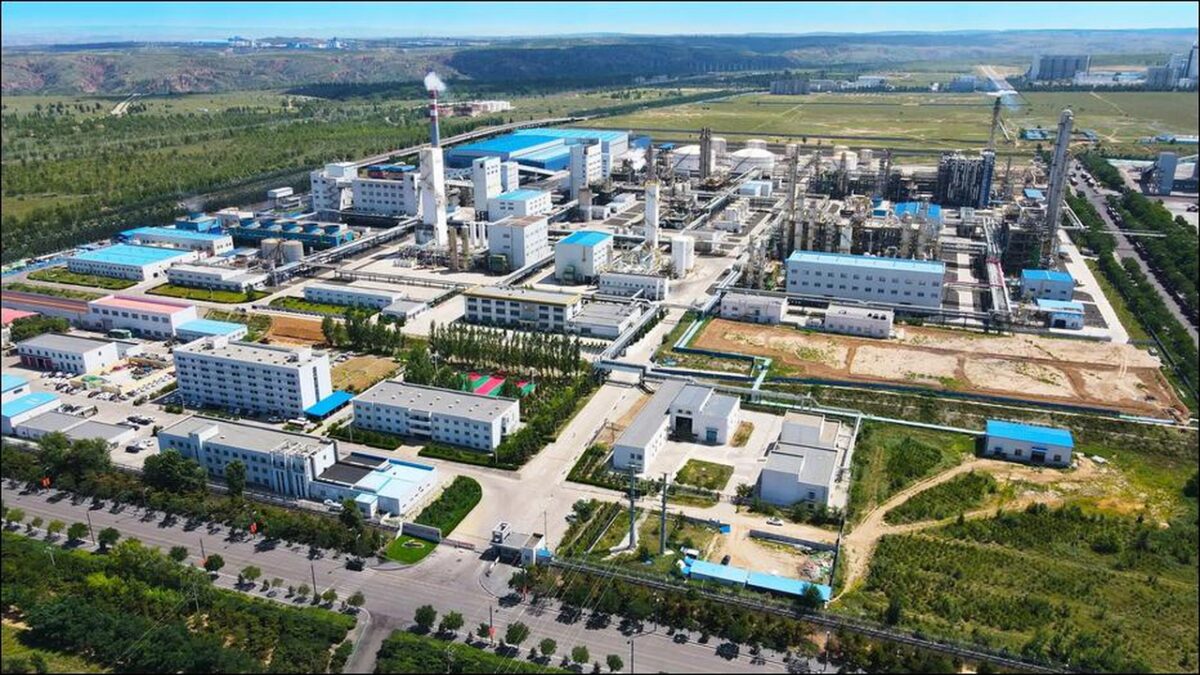
At the heart of the Towngas green methanol plant lies an innovative and environmentally conscious production process. The facility in Foshan, Guangdong, will primarily utilize agricultural waste products such as sugar cane bagasse and wood processing waste as feedstock. This commitment to using biomass waste not only provides a sustainable source for green methanol production but also addresses the challenge of waste management, creating a circular economy model. The chosen method, biomass gasification technology, is a cutting-edge process that efficiently converts these organic materials into synthesis gas, which is then processed into high-quality green methanol.
This advanced technology ensures that the green methanol produced is genuinely low-carbon, offering significant reductions in greenhouse gas emissions compared to fossil fuels. By diverting agricultural and wood waste from landfills or open burning, the project also helps mitigate methane emissions and air pollution, contributing to broader environmental benefits. The first phase of the Foshan plant is scheduled to commence operations in 2028, with an initial annual production capacity of 200,000 metric tons. This initial output alone will represent a substantial contribution to the alternative marine fuel supply, supporting the growing demand for clean energy solutions within the maritime sector. The future expansion plans aim to further escalate this capacity, solidifying the plant’s role as a major regional producer of renewable methanol.
Towngas’s Strategic Vision and Dual-Production Network
Towngas’s investment in the Foshan green methanol plant is a cornerstone of its broader strategic vision to lead the energy transition in China and the wider Asia-Pacific region. The company’s joint venture, VENEX, is spearheading the development, aiming to increase Towngas’s overall green methanol production capacity to an impressive 500,000 metric tons per year by 2028. This ambitious target demonstrates Towngas’s deep commitment to sustainable energy production and its confidence in green methanol as a viable and essential marine fuel for the future.
Crucially, this new facility in Foshan will complement Towngas’s existing Inner Mongolia plant, establishing a powerful dual-production network across northern and southern China. This geographically diversified network offers significant advantages for marine fuel supply and shipping decarbonization efforts. By having production hubs in two key regions, Towngas can ensure more resilient and efficient distribution of green methanol to various ports and maritime corridors, including the vital Hong Kong bunkering hub. This dual-pronged strategy not only enhances supply chain security but also positions Towngas as a dominant player in the emerging green fuel market, ready to meet the accelerating demand from shipowners committed to achieving carbon neutrality.
The Broader Impact on Global Shipping Decarbonization
The construction of the Towngas green methanol plant in Foshan resonates far beyond regional benefits, making a tangible impact on global shipping decarbonization. The maritime industry is under immense pressure to reduce its environmental footprint, with international regulations and growing public awareness driving the adoption of alternative fuels. Green methanol, with its ability to significantly reduce greenhouse gas emissions, sulfur oxides, and particulate matter, is emerging as a frontrunner among these sustainable fuels.
This large-scale production facility provides a much-needed boost to the global supply of renewable methanol, which is critical for scaling up the use of methanol-fueled vessels. As more shipowners invest in dual-fuel engines capable of running on methanol, the assurance of a consistent and substantial supply becomes paramount. The Foshan plant helps bridge this supply gap, encouraging further investment in green shipping technologies and accelerating the overall transition towards a sustainable maritime industry. It sets a powerful precedent for other energy providers and nations to invest in similar clean energy projects, collectively driving the world closer to its decarbonization targets within the shipping sector.
Economic and Environmental Advantages for the Region
The green methanol plant in Foshan offers a multitude of economic and environmental advantages for the Guangdong province and the wider region. Economically, the project represents significant investment, creating numerous job opportunities in construction, operation, and related supply chain sectors. It also fosters technological advancement, attracting expertise and innovation in biomass gasification and renewable energy production. By positioning Foshan as a hub for sustainable fuel production, it enhances the region’s industrial diversification and economic resilience.
Environmentally, the benefits are profound. The production of green methanol from waste biomass significantly reduces reliance on fossil fuels, leading to cleaner air and a reduction in greenhouse gas emissions. This aligns perfectly with China’s national goals for carbon peak and neutrality. Furthermore, by providing a sustainable marine fuel, the plant directly contributes to cleaner oceans and ports, improving the environmental quality of coastal areas. This holistic approach ensures that the project not only serves economic growth but also champions ecological stewardship, providing a model for sustainable industrial development that benefits both people and planet. The robust infrastructure for green fuel supply also enhances regional energy security and promotes the adoption of clean energy solutions across various sectors, demonstrating a commitment to a greener future.
In conclusion, the establishment of the Towngas green methanol plant in Foshan is a landmark development for sustainable shipping and clean energy production. By dramatically increasing the availability of green methanol, this project will be instrumental in enabling Hong Kong to realize its potential as a leading green maritime fuel bunkering hub and will significantly contribute to global shipping decarbonization efforts. Towngas’s strategic vision, coupled with advanced sustainable technology, paves the way for a greener, more resilient maritime industry. This initiative marks a crucial step forward in the collective journey towards a carbon-neutral future, showcasing how innovative partnerships and dedicated investments can transform the landscape of energy and logistics for the better. The future of marine fuels is undoubtedly shifting, and Towngas is clearly leading the charge.