Tokyo Ohi terminals secure Japan’s first Carbon Neutral Port status

K Line’s Ohi terminals earn Japan’s first CNP certification, linking green ratings to gate efficiency and vessel incentives.
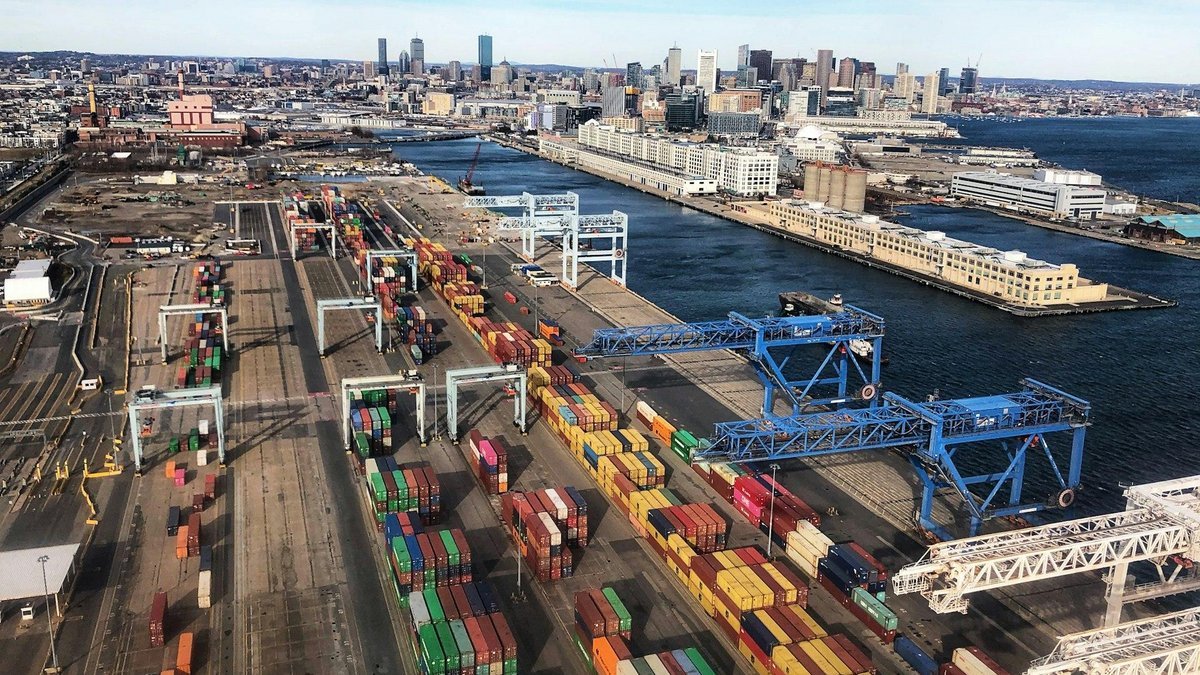
Terminals No. 1 and No. 2 at Tokyo’s Ohi Container Wharf have become the first in the port to receive Japan’s Carbon Neutral Port certification, establishing a new operational benchmark for K Line and its subsidiary Daito Corporation. The Level 4++ rating from the Ministry of Land, Infrastructure, Transport and Tourism links hardware upgrades directly to terminal efficiency measures designed to cut idling times.
Daito Corporation, which operates the leased K Line terminals, received the certificates on 26 November alongside the Tokyo Metropolitan Government and Tokyo Port Terminal Corporation. The terminals utilize inverter controls on all gantry cranes and have converted 92% of their rubber-tyred gantry cranes to hybrid systems. All yard lighting has been replaced with LED fixtures to meet the programme requirements.
Operational changes at the site include a gate reservation system and early morning gate openings. The terminals also allow trucks to drop off one container and collect another in a single visit, a move aimed at reducing congestion and vehicle emissions within the port precinct.
Why it matters
This certification moves green port initiatives from vague goals to a concrete rating system that rewards specific hardware and software investments. For terminal operators, the Level 4++ rating shows that decarbonization is now tied to logistics efficiency. The inclusion of gate reservation systems and double-transaction truck visits in the certification criteria means that land-side throughput speed is now a formal component of environmental performance.
Shipowners and charterers calling at Ohi now face a formal incentive program based on environmental performance. This creates a direct operational link between a vessel’s emissions profile and its treatment at one of Japan’s primary container hubs. Owners with older, less efficient tonnage may find themselves at a disadvantage compared to those able to take advantage of these terminal-led incentives.
By securing the first such certification in the K Line Group, Daito Corporation has set a precedent for how leased terminals must integrate with local government climate targets. The focus on reducing truck congestion suggests that future certifications will increasingly depend on the terminal’s ability to manage the entire logistics chain, rather than just electrifying its own cranes.
What to watch
The push for a Level 5 rating, the only tier higher than the current 4++ award, which would likely require the remaining 8% of rubber-tyred gantry cranes to move away from conventional power.