Multraship Commissions Enforcer to Secure Busy North Sea Energy Zones

Multraship’s new vessel Enforcer joins the Netherlands Coastguard to support growing North Sea offshore wind and gas operations.
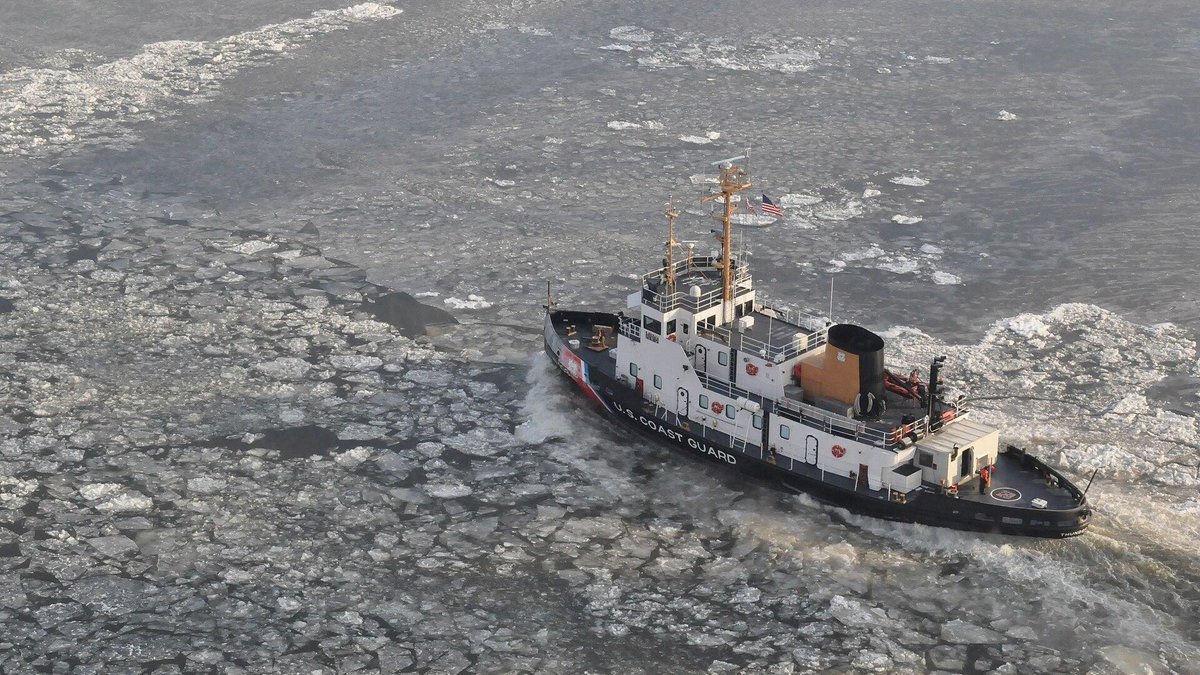
Multraship Towage & Salvage has commissioned the high-speed offshore support vessel Enforcer into the Netherlands Coastguard fleet, providing specialized capacity to manage the safety risks of the North Sea’s expanding energy infrastructure. The Damen-built vessel enters service under a time charter arrangement, allowing the state to expand its fleet while the private sector retains technical management.
The vessel was christened at Multraship’s headquarters in Terneuzen by Laura Dronkers-Dubbink, wife of the Secretary-General of the Dutch Ministry of Infrastructure and Water Management. Following the ceremony, Klaasjan Schipper, Director of the Netherlands Coastguard, officially commissioned the vessel into service. Enforcer will operate through Rijkswaterstaat’s Central Fleet Management, known as Rijksrederij.
Under the terms of the agreement, Multraship maintains ownership of the vessel and provides the crew and maintenance. Operational control rests with the Netherlands Coastguard. The Enforcer is designed for search and rescue, salvage, emergency towage, and marine surveillance. It joins three existing Emergency Response and Towing Vessels (ERTVs) that Multraship already supplies to the Dutch government.
Why it matters
The North Sea is becoming increasingly congested. The rapid expansion of offshore windfarms and gas production projects has fundamentally altered the risk profile for commercial shipping. For shipowners and charterers, the addition of the Enforcer provides a necessary safety buffer in one of the world’s most heavily trafficked maritime corridors. Increased surveillance and rapid incident response capabilities are essential to prevent collisions and groundings near high-value energy assets.
This delivery confirms the Dutch government’s preference for public-private partnerships to meet its maritime safety obligations. By opting for a time charter rather than outright state ownership, the Netherlands Coastguard gains modern, high-speed tonnage without the immediate capital expenditure of a state-led shipbuilding program. This model offers a blueprint for other coastal states facing similar infrastructure booms.
For the towage and salvage sector, the contract highlights a stable revenue stream. Multraship’s ability to secure long-term government charters for specialized vessels demonstrates how private operators can capitalize on the secondary requirements of the energy transition. As offshore energy projects grow, the demand for contracted emergency response and surveillance assets will likely follow.
What to watch
The operational success of the Enforcer will likely dictate whether the Netherlands Coastguard commissions further specialized tonnage as more offshore wind and gas projects reach the construction phase. Watch for future tender announcements from Rijkswaterstaat as North Sea operational responsibilities continue to expand.