Three Dead After GPG Seafood Vessel Sinks in Heavy Icelandic Seas

14 crew members rescued from the longliner Jokull after Iceland Coast Guard teams exceed operational limits in 30-foot waves.
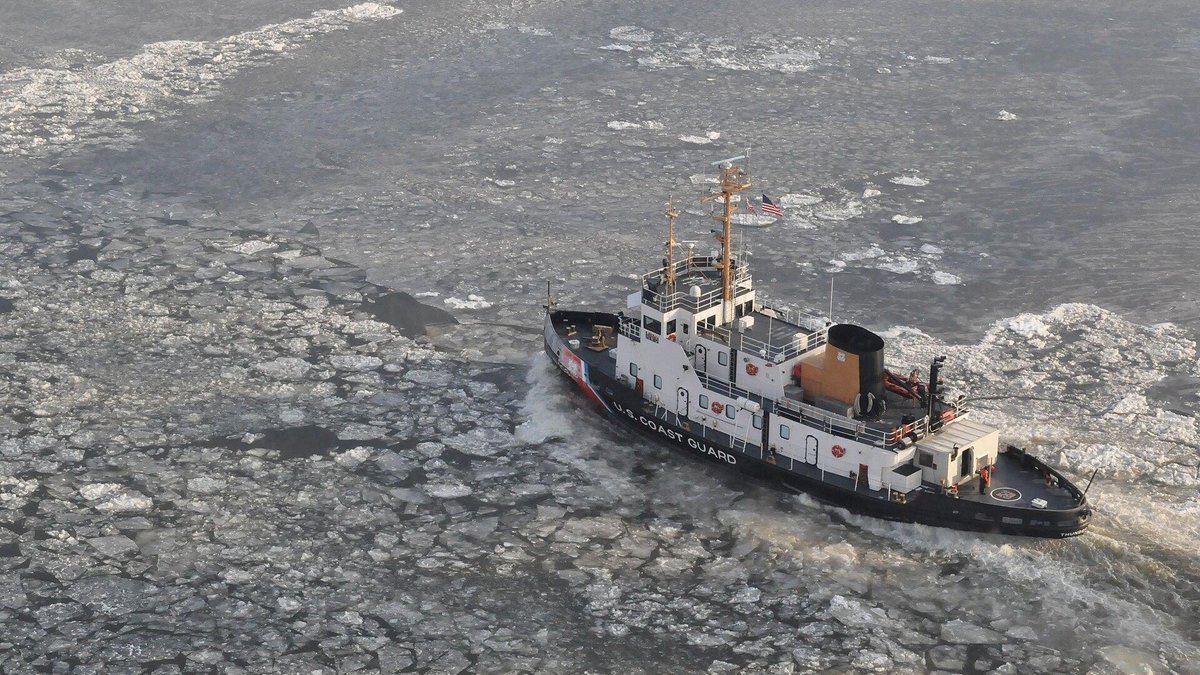
The sinking of the longliner Jokull off Iceland on November 25 claimed three lives but saw 14 crew members saved after rescue teams pushed beyond standard operational limits in 30-foot seas.
The 44-meter vessel, operated by GPG Seafood, reported trouble 50 nautical miles east of Iceland during a storm with 40 mph winds. The captain declared an emergency and ordered the crew to abandon ship shortly after 5:00 p.m. local time. Coast Guard aircraft used thermal imaging to locate the crew, while a helicopter and nearby fishing boats pulled survivors from the water. Reports indicate several crew members tied themselves together to stay afloat in waves reaching 32 feet.
Coast Guard commanders confirmed that the helicopter crew traveled beyond their normal 20-mile limit to reach the Jokull, a decision deemed necessary due to the extreme circumstances. Icelandic Prime Minister Kristín Frostadóttir issued a statement expressing condolences for the three lost crew members and thanking the rescue teams for their work in the deadliest maritime accident the nation has seen in decades.
Why it matters
The survival of 14 crew members in extreme North Atlantic conditions demonstrates the effectiveness of individual safety equipment. Coast Guard officials confirmed that EPIRBs attached to the crew’s life jackets allowed rescuers to pinpoint individuals in the water despite the heavy sea state. For operators, this incident validates the investment in personal locating beacons over reliance on vessel-mounted systems alone.
The rescue also reveals a gap between standard operating procedures and the realities of deep-sea emergencies. Coast Guard commanders noted that the helicopter crew traveled beyond their normal 20-mile limit to reach the Jokull. This decision was necessary to save lives, but it suggests that existing safety margins for search and rescue assets do not always align with where commercial fishing fleets are currently operating.
The loss of the 1996-built vessel will likely trigger scrutiny of older hulls operating in the North Atlantic’s winter windows. While the cause of the sinking is not yet confirmed, the severity of the conditions and the age of the ship provide a clear data point for insurers assessing risk in the Icelandic commercial fishing sector.