China shipbuilding capacity gap threatens 2028 delivery dates

Chinese yards face a massive delivery backlog as the orderbook outpaces capacity, risking major slippage for tankers and bulkers through 2028.
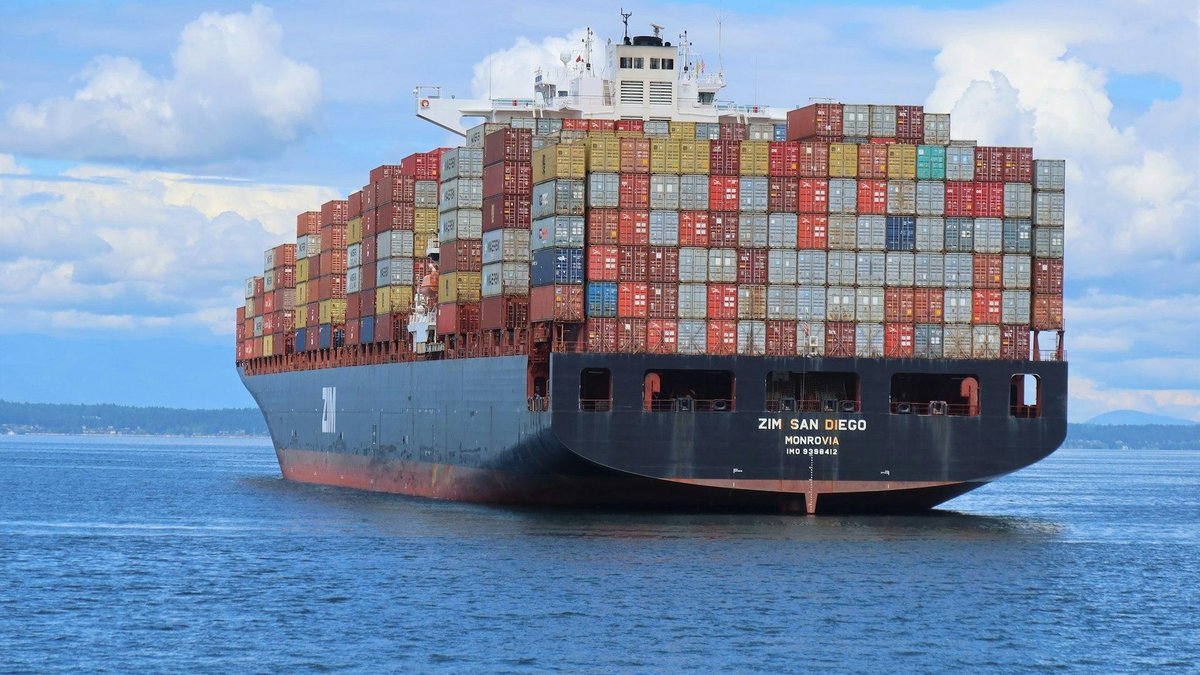
Chinese shipbuilders have contracted a record-breaking orderbook that far outstrips their physical capacity, making massive delivery slippage inevitable for owners expecting new tonnage in 2028.
Banchero Costa research shows Chinese yards are scheduled to deliver 92.7m dwt of bulk carriers and tankers in 2028, more than triple the 30.4m dwt delivered last year. This target dwarfs the previous annual record of 62.6m dwt set in 2011. The global newbuilding backlog now stands at a record 226.1m cgt, worth approximately $700bn according to Clarksons Research.
Much of this growth relies on 106 new or resuscitated yards that delivered nothing between 2019 and 2023 but now hold orders for 909 ships. Hengli, a Dalian-based builder that only resumed commercial deliveries this year, is contracted to deliver 193 vessels in 2028, up from 66 in the first ten months of 2024.
Why it matters
The arithmetic of the current orderbook suggests that 2028 delivery dates are more aspirational than guaranteed. Danish Ship Finance estimates that shipbuilding capacity has grown by only 30% since 2020, while the orderbook has expanded by 350%. With top-tier yards already booked at 164% of their available capacity for 2028, owners should prepare for scheduled deliveries to slip by 10m to 11m cgt annually starting in 2027.
This capacity crunch extends beyond the yards to the equipment supply chain. Star Bulk has already noted instances of shipbuilders asking owners to source their own main engines. If yards cannot secure critical components, the 106 resuscitated facilities—which are expected to provide one-sixth of global output by 2028—will likely be the first to see their schedules collapse.
For freight markets, this slippage may provide a necessary buffer against oversupply. In 2028 alone, scheduled deliveries represent 17.3% of the existing container fleet and 12% of the crude tanker fleet. If the yards fail to meet these deadlines, the resulting supply constraint will become the primary driver of earnings for the remainder of the decade.
What to watch
Watch for a sharp slowdown in new orders through 2025 as 55% of tonnage contracted this year is already pushed into 2029 or later.