Thailand weighs high-risk ammonia transfer for grounded Unique 10

Thai officials and Siam Lucky Marine plan a delicate ammonia transfer to save the grounded Unique 10 and protect a nearby coral reef.
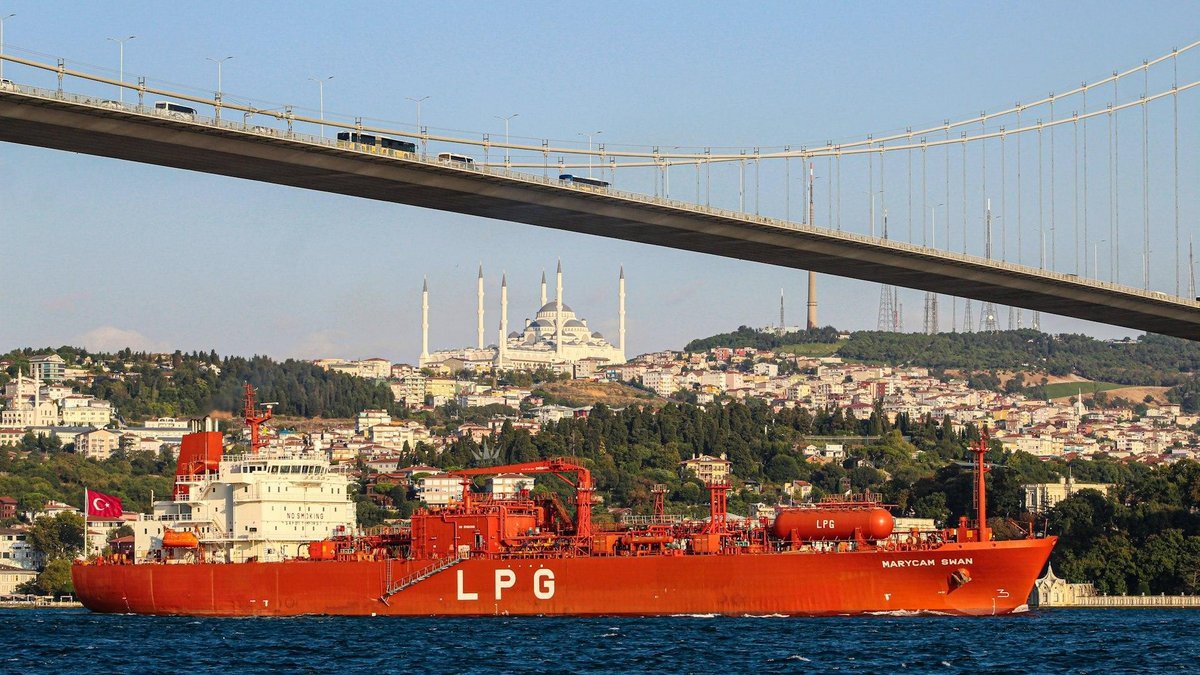
Thai maritime authorities and Siam Lucky Marine are preparing a high-stakes ship-to-ship transfer of ammonia from the grounded gas carrier Unique 10 to prevent a toxic spill near a sensitive coral reef. The 2,700 dwt vessel struck underwater rocks in the Phaluai Channel on November 22, suffering hull damage and water ingress into its ballast tanks.
The 96-meter vessel was maneuvering at slow speed toward the Unique Gas Surat Thani port when it grounded approximately 430 meters from the coral reef around Koh Phaluai. While the Royal Thai Navy reported no oil leaks following an aerial survey, the presence of ammonia cargo adds a layer of toxicity and corrosion risk to the salvage operation.
Siam Lucky Marine has dispatched a second vessel to the scene, which is expected to arrive midday on Wednesday, November 25. Divers are currently surveying the hull and the reef to determine if the Unique 10 can be pulled free or if the cargo must be pumped out while the ship remains aground. Officials estimate a ship-to-ship transfer would take at least 10 hours.
Why it matters
The salvage of the Unique 10 is a race against structural failure. Built in 1979, the vessel is an aging asset, and the confirmed water ingress in the ballast tanks suggests the hull is already compromised. For the owner and insurers, the 10-hour ship-to-ship transfer window is the most dangerous phase of the operation. Any failure in the pumping equipment or a shift in the vessel’s position could release ammonia directly into a protected marine environment.
Ammonia is far more difficult to manage than a standard oil spill. Its corrosive nature and high toxicity mean a leak would likely cause immediate damage to the Koh Phaluai reef. This proximity leaves Siam Lucky Marine facing severe environmental liability if the salvage fails. The Thai authorities are already positioning tugboats and navy assets, signaling that they will prioritize reef protection over the integrity of the hull.
For the wider gas carrier segment, this incident highlights the operational risks of using older tonnage in restricted coastal channels. If the hull is found to be too weak for a refloat, the vessel will likely be declared a total loss after the cargo is secured, removing a unit from the regional small-scale ammonia fleet.
What to watch
The results of the underwater survey will dictate whether the salvage team attempts a direct refloat or proceeds with the 10-hour ship-to-ship transfer on November 25.