

Tara Gas Abandoned After Double Strike Off Oman
The Tara Gas is on fire and at risk of exploding after two strikes. The incident may force Oman to restrict territorial water access.
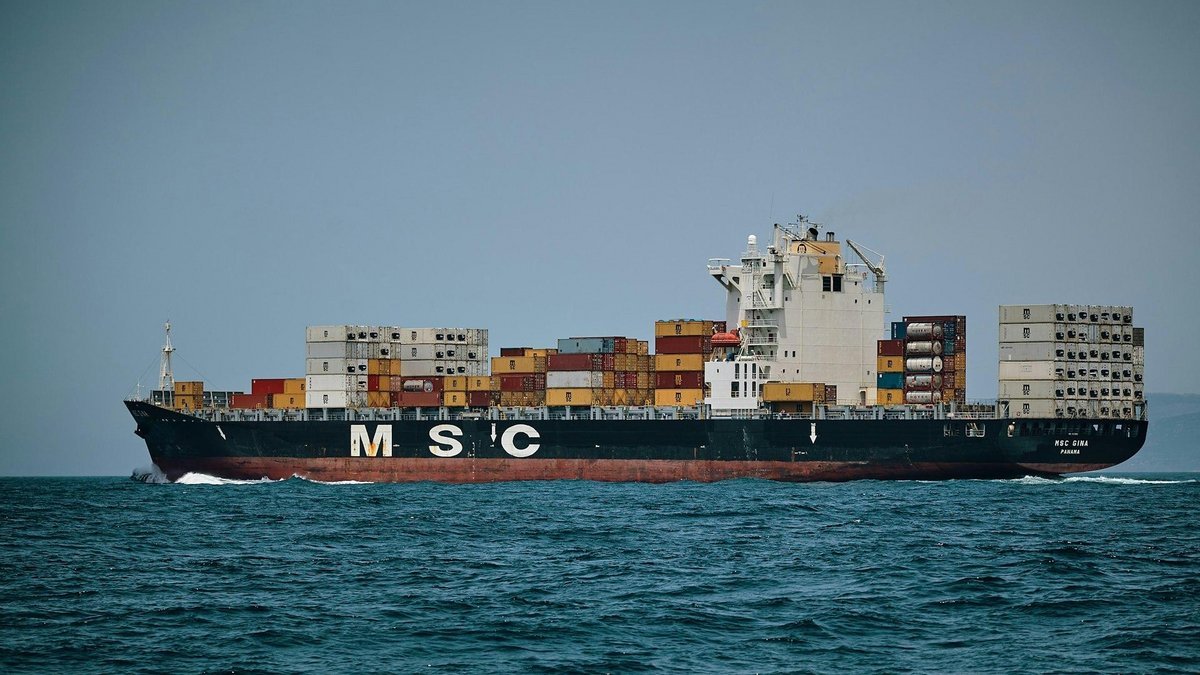
The abandonment of the LPG carrier Tara Gas after two Iranian strikes off the coast of Oman creates a catastrophic safety risk that could force the closure of Omani territorial waters to commercial shipping. The 53,200 dwt Panama-flagged vessel is currently on fire and in danger of exploding near the Musandam Peninsula.
The tanker was first hit in the engine room by an Iranian Revolutionary Guard Corps (IRGC) drone on November 16 while seven nautical miles north of Khasab. A second strike on November 17 disabled the crew’s firefighting efforts, forcing 24 Indian nationals to abandon the ship in a rescue conducted by a civilian salvage company. One crewmember remains missing and two are hospitalized. The vessel, which is managed from the UAE, has already suffered a series of explosions according to reports from the morning of November 17.
The incident is part of a spike in regional hostilities. Between November 13 and 17, five Iranian strikes targeted four commercial vessels: the Dar Salwa, Al Dhannah, On Phoenix, and the Tara Gas. While Iran claims these vessels are hitting mines on unauthorized routes, India’s Ministry of External Affairs has condemned the targeting of commercial shipping and called for the restoration of unimpeded navigation.
Why it matters
The Tara Gas is not just a disabled hull; it is a pressurized hazard. Unlike crude oil spills, a fire on an LPG carrier risks a Boiling Liquid Expanding Vapor Explosion. This creates lethal thermal radiation and shockwaves that threaten populated coastal areas. For owners and insurers, the double-strike on a single vessel within 24 hours indicates an intent to destroy assets rather than merely disrupt transit.
This escalation places Oman in a regulatory bind. While Muscat has historically respected the right of innocent passage under UNCLOS, the threat of leaking oil, gas vapors, and explosions near civilian communities may trigger Article 233. This provision allows coastal states to limit access to territorial waters on environmental grounds. If Oman restricts the coastal route to protect its fisheries and towns, the primary alternative to the contested international lanes in the Strait of Hormuz disappears.
The incident also exposes a gap between military claims and operational reality. While U.S. Central Command asserts that over 1.7 billion barrels of crude have shipped with U.S. protection, it has remained silent on the daily reports of Iranian attacks. Owners must now weigh the risk of using the Omani coastal route, which Iran is actively targeting with drones and, according to its own state media, naval mines.
What to watch
Watch for an official Omani declaration regarding the status of its territorial waters and whether the risk of a vapor cloud explosion forces a wider exclusion zone that halts local traffic. The next concrete indicator of risk will be the decision by insurers to maintain or withdraw cover for UAE-managed vessels transiting the Musandam Peninsula.
Source: The Maritime Executive