

Japan LNG imports plunge 26 percent as demand contraction accelerates

Japan’s LNG imports fell 26.1 percent in October, a sharp acceleration from September that signals tightening demand for Pacific basin tonnage.
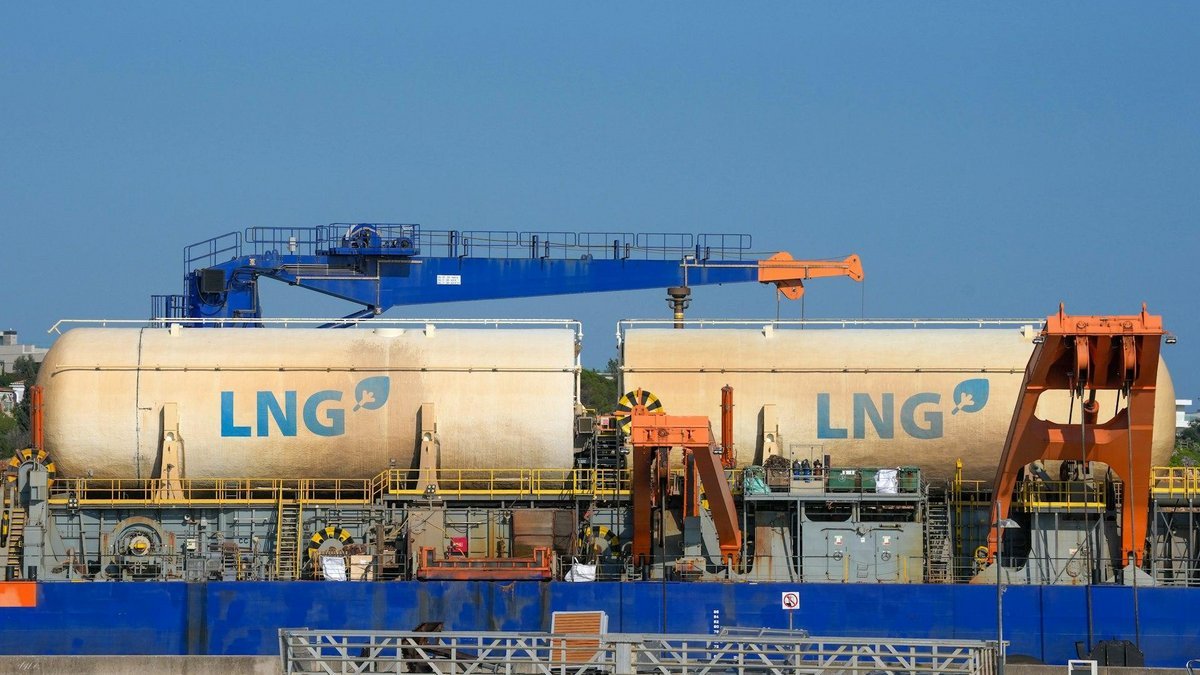
Japan’s liquefied natural gas imports fell 26.1 percent in October compared to the same month last year, an accelerating decline that signals a cooling spot market for carriers serving one of the world’s largest buyers.
Provisional data from the Ministry of Finance shows the October drop follows a 7.3 percent decrease in September, marking a sharp two-month slide in the volume of gas arriving at Japanese terminals.
The figures arrive as Japanese utilities adjust their long-term positions. Osaka Gas recently agreed to purchase BP’s stake in the Browse LNG project, indicating that while current import volumes are retreating, major domestic players still prioritize securing upstream assets for future supply.
Why it matters
A 26.1 percent drop in a single month represents a massive withdrawal of cargo from the Pacific basin. For shipowners and charterers, this translates directly into lower ton-mile demand. When a historically consistent LNG importer cuts volume by a quarter, the surplus of available vessels in the region likely increases, putting downward pressure on spot charter rates for the coming months.
The acceleration of the decline is the primary concern for vessel operators. The drop in October was more than three times as severe as the 7.3 percent decline recorded in September. This suggests the market is contracting rapidly, forcing owners who rely on Japanese demand to find alternative employment for their tonnage in an increasingly crowded Pacific market.
This volatility complicates planning for terminal operators and port services. Lower throughput at Japanese regasification plants reduces the frequency of berthing slots and tug requirements, impacting the entire shoreside service chain. If this trend persists through the traditional winter heating season, the expected seasonal spike in shipping activity and vessel utilization may fail to materialize.
What to watch
The next release of finalized trade data from the Ministry of Finance will confirm if this 26.1 percent contraction holds, providing the definitive signal for winter chartering strategies and regional vessel positioning.
Source: LNG Prime