Tankers Attacked: Strait of Hormuz Tensions Rise | Mariner News
The fragile stability of global energy markets was once again shaken as two more tankers were attacked in the Strait of Hormuz overnight Thursday, according to reports from UKMTO (United Kingdom Maritime Trade Operations) and the UAE state oil company Adnoc. This alarming development marks a significant escalation in maritime tensions within one of the world’s most critical shipping lanes, highlighting persistent geopolitical risks and the vulnerability of international oil transportation. The incidents, which saw vessels sustaining minor damage but fortunately no crew injuries, underscore ongoing efforts by certain regional actors to assert control over the vital waterway, directly impacting global shipping and energy security. The international community watches closely as calls for de-escalation and adherence to freedom of navigation intensify, acknowledging the profound implications these events hold for crude oil prices and the stability of the entire supply chain.
The Incidents Unfold: A Closer Look at the Attacks
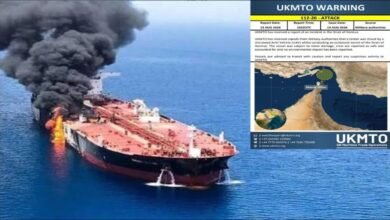
Initial reports indicated a single vessel being struck, but subsequent investigations confirmed that two oil tankers became targets in this latest round of maritime aggression. At approximately 1550 hours UTC, military authorities in the region alerted UKMTO that an outbound tanker had been hit in the Strait of Hormuz. Despite the attack, the vessel managed to sustain only minor damage, and critically, all crewmembers aboard were reported unharmed, a testament to robust safety protocols and perhaps the nature of the attack itself. This initial report set off immediate alarms across the maritime industry and international diplomatic circles, sparking urgent inquiries into the perpetrators and their motivations.
Shortly thereafter, the UAE foreign ministry issued a clarifying statement, confirming that two vessels, rather than one, had indeed been attacked during their transits through the Strait of Hormuz. This confirmation from a key regional player underscored the severity and coordinated nature of the incidents. Maritime security consultancy Vanguard Tech later identified the vessels involved as the Navig8 Messi and the Tarif, providing crucial details that help piece together the sequence of events. Vanguard Tech further reported that these attacks were carried out by drones, a method increasingly utilized in modern maritime conflicts, which allows for plausible deniability while still achieving disruptive objectives. The fact that both vessels continued their voyages under their own power without reported injuries offered some relief, but did little to diminish the gravity of the threat these incidents posed to global shipping and maritime safety.
Geopolitical Tensions and Accusations of Economic Coercion
The attacks swiftly drew strong condemnation and pointed accusations, with the UAE foreign ministry labeling the strikes a “flagrant violation” of a UNSC resolution affirming freedom of navigation. This strong diplomatic language highlights the international legal framework governing transit through international waters and the serious breach represented by these actions. The ministry went further, explicitly calling Iran’s repeated ship attacks “a tool of economic coercion or blackmail” and an “act of piracy.” These accusations frame the incidents not merely as isolated acts of aggression, but as a deliberate strategy to exert pressure and influence over regional dynamics and global trade flows.
The UAE specifically pointed to the Islamic Revolutionary Guard Corps (IRGC) as the responsible party. The IRGC, a hardline and ascendant military faction with growing influence over Iranian policy, has long been viewed as a key instrument in projecting Iran’s power and challenging regional adversaries. Their alleged involvement adds a significant layer of geopolitical complexity, underscoring the ongoing power struggle and the persistent instability in the Persian Gulf region. The ministry’s call for the full and unconditional reopening of the strait to all navigation reiterated the international community’s stance on the necessity of unimpeded passage through this vital chokepoint, emphasizing the broader implications for energy security and international law.
The Strait of Hormuz: A Vital Global Chokepoint
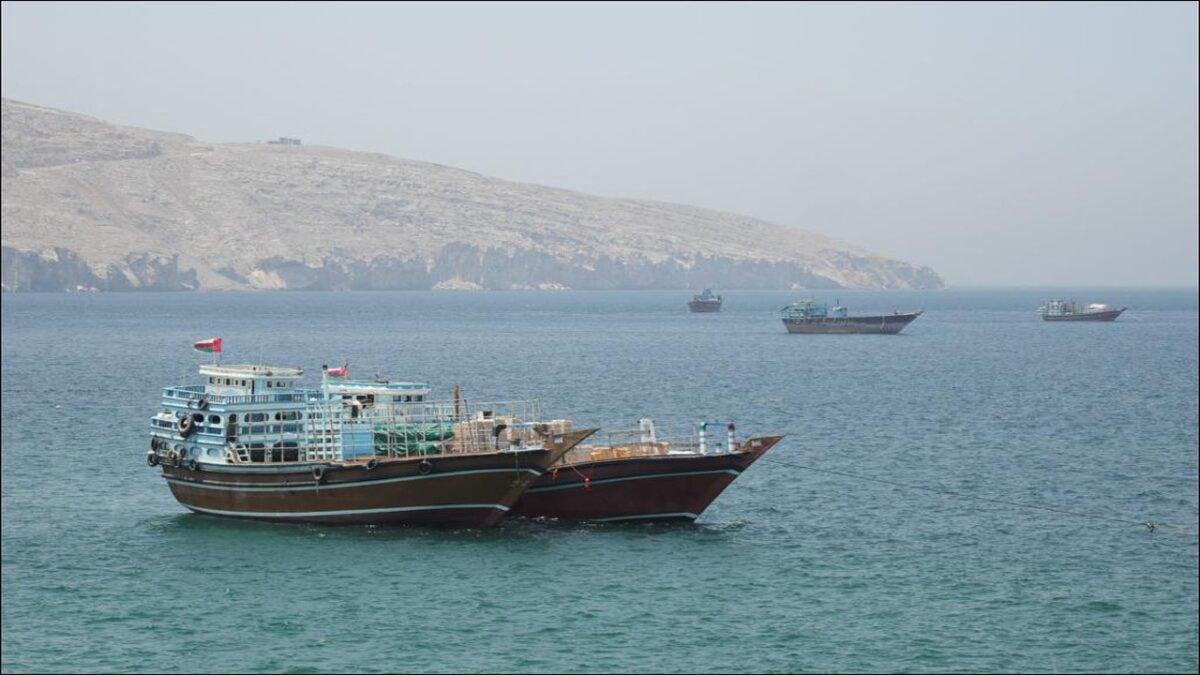
The Strait of Hormuz holds an unparalleled strategic importance in global oil transportation and international trade. Connecting the Persian Gulf with the Arabian Sea and beyond, it is the sole maritime passage for a substantial portion of the world’s crude oil and liquefied natural gas (LNG) exports. An estimated one-fifth of the world’s total petroleum liquids consumption and a significant percentage of global LNG supplies transit through this narrow waterway daily. Any disruption, even minor, can send ripples across global energy markets, leading to increased crude oil prices and heightened anxiety about supply chain stability.
The repeated incidents of tankers attacked in the Strait of Hormuz have cemented its reputation as one of the most volatile and dangerous shipping lanes globally. Its narrowest point is just 21 miles (33 km) wide, with the shipping lanes themselves only two miles wide in either direction, making vessels particularly vulnerable to attacks from shore-based assets, naval vessels, or, as seen in this latest incident, drones. The geographical constraints amplify the risks, turning every transit into a potential flashpoint. The international community, including major oil-consuming nations, relies heavily on its uninterrupted flow, making any threat to its stability a matter of urgent global concern.
Impact on Global Shipping and Energy Markets
The immediate aftermath of such attacks often sees a spike in insurance premiums for vessels operating in the region, reflecting the elevated risk profile. Shipping companies must weigh the increased costs against the necessity of transporting vital cargo, potentially leading to delays or rerouting, which in turn can impact global supply chains. For oil tankers, specifically, the implications are particularly severe. The threat of damage or seizure not only jeopardizes the physical assets and their crews but also introduces volatility into an already sensitive global oil market. Investors and traders react swiftly to news of disruptions, causing fluctuations in crude oil prices, which ultimately impact consumers worldwide.
Beyond the immediate financial costs, there’s a significant psychological impact on maritime security operations. Shipping companies and their crews operate under increased stress and vigilance, implementing enhanced security measures and contingency plans. The long-term effects can include a permanent shift in perceived risk for the region, potentially driving up the cost of doing business and influencing future investment decisions in the Middle East’s energy sector. The cumulative effect of these repeated incidents threatens to undermine confidence in the reliability of this crucial trade route, pushing stakeholders to explore alternative, albeit often less efficient or more costly, shipping options.
International Response and Calls for De-escalation
The international response to the attacks has been swift and largely unified, with numerous nations and international bodies condemning the actions and reiterating calls for the protection of freedom of navigation. The UN Security Council resolutions underpin the principle that all nations have the right to peaceful transit through international straits, a principle that these attacks directly challenge. Major global powers have urged all parties to exercise restraint, de-escalate tensions, and seek diplomatic solutions to the underlying causes of instability in the region. There is a palpable concern that further provocations could lead to a wider regional conflict, with catastrophic implications for global shipping and the world economy.
Naval forces from various nations are often present in the region, conducting patrols and exercises to deter aggression and ensure the safe passage of commercial vessels. However, the nature of these drone attacks, as reported by Vanguard Tech, presents new challenges to traditional naval deterrence, requiring advanced surveillance and interception capabilities. Diplomatic efforts, often conducted behind the scenes, aim to mediate between conflicting parties and foster an environment conducive to dialogue and peaceful resolution. The international community recognizes that while security measures are necessary, a lasting solution can only come through addressing the root causes of geopolitical tensions and building mutual trust among regional states.
Future Outlook and Persistent Challenges
The recent tankers attacked in the Strait of Hormuz serve as a stark reminder of the persistent and evolving challenges facing maritime security in one of the world’s most critical regions. The strategic importance of the Strait ensures that it will remain a focal point of regional and international attention. Future security will depend on a delicate balance of deterrence, diplomacy, and adherence to international law. As the global economy continues to rely heavily on the efficient and secure flow of energy resources, the stability of this vital waterway will remain paramount. The ongoing saga of control and influence in the Persian Gulf, intertwined with the broader geopolitical landscape, suggests that the maritime environment here will likely continue to present significant risks for the foreseeable future. Addressing these complex challenges requires sustained international cooperation and a commitment to upholding the principles of freedom of navigation for all.