

Tanker Market Adapts to Permanent Stalemate in Strait of Hormuz
As the U.S.-Iran conflict enters a stalemate, tanker operators are institutionalizing high-cost shuttle workarounds to maintain oil flows.
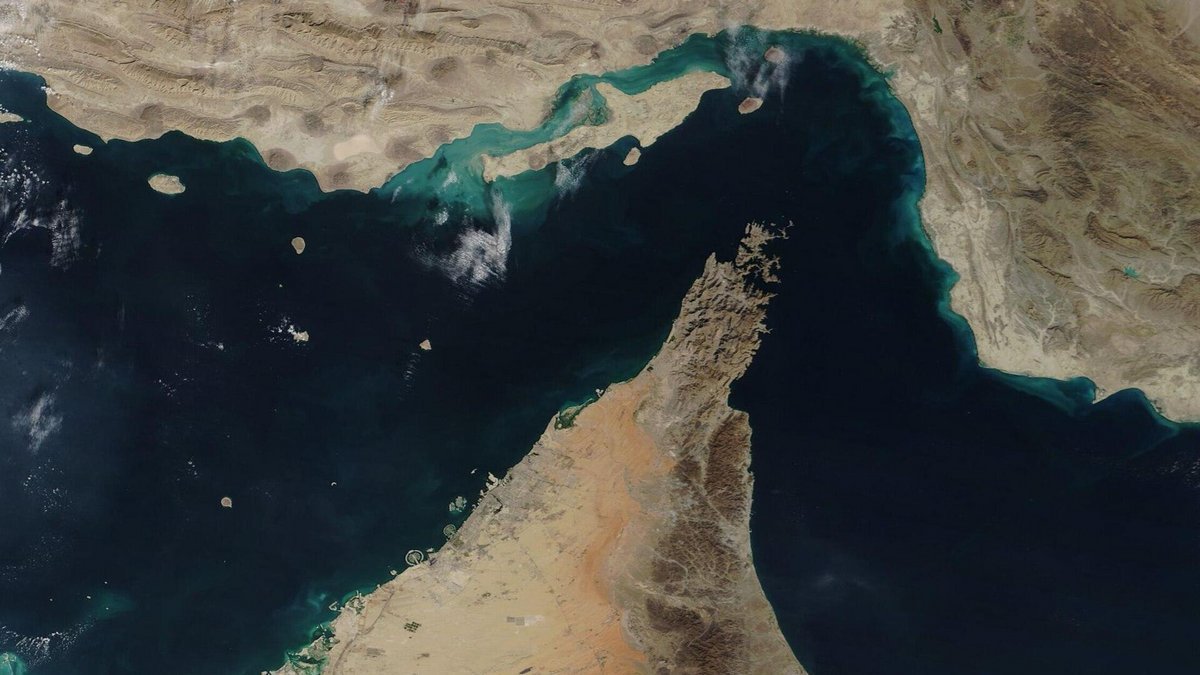
The U.S.-Iran conflict has entered a protracted stalemate that maritime analysts describe as “neither peace nor war,” forcing the global tanker market to institutionalize high-cost operational workarounds. Despite a naval blockade and escalating attacks on commercial shipping, Middle East oil exports have staged a significant recovery as trade participants adapt to a semi-permanent state of crisis.
The conflict, now in its eighth month, has seen the emergence of a two-tier transit system. Tankers are increasingly transiting the Strait of Hormuz via a U.S.-protected corridor, while shuttle vessels are being utilized to transfer cargoes to other ships in the Gulf of Oman. This shift suggests that the market is no longer waiting for a diplomatic resolution but is instead pricing in systemic inefficiency and risk premiums as the new operational baseline.
The Cost of Strategic Unpredictability
The U.S. policy of “strategic unpredictability” and a rigorous naval blockade have effectively halted Iranian crude exports and depleted the regime’s floating stocks in Asia. However, this pressure has not yet forced a return to the negotiating table. Instead, it has resulted in a volatile environment where tanker freight rates remain elevated enough to feature prominently in the earnings calls of major oil companies and refiners.
For shipowners, the “neither peace nor war” scenario offers a double-edged sword. While the current inefficiencies and risk premiums are generally supportive of tanker freight rates, they come with substantial additional costs and physical risks. The market is essentially trading political stability for high-yield, high-friction operations, with the timing of any U.S. policy shift potentially linked to the upcoming midterm elections on November 3.
Escalating Risks to Seafarers
The most critical implication of this unresolved conflict is the increasing danger to crews. Frustrated by the resilience of oil flows through the protected corridor, Iran’s Islamic Revolutionary Guard Corps (IRGC) has intensified its targeting of commercial vessels. According to International Maritime Organization (IMO) figures, more than 120 vessels have been attacked and 24 seafarers killed since the conflict began.
The frequency of these strikes is accelerating, with at least 34 attacks reported since September 28. This suggests that as the maritime industry becomes more adept at bypassing the blockade through shuttle transfers and protected transits, the security threat to merchant vessels will likely continue to rise. The recovery of export volumes without a political settlement may inadvertently prolong the stalemate, as it demonstrates that trade can survive under conditions that would otherwise be considered intolerable.
Source: maritime-executive