Tanker Drone Attack in Strait of Hormuz: UKMTO Report | Mariner News
The critical waterways of the Strait of Hormuz have once again become the focal point of global maritime security concerns following a recent incident where a tanker was hit by a drone. The UK Maritime Trade Operations (UKMTO) confirmed this alarming development, shedding light on the persistent threats faced by commercial shipping in one of the world’s most vital maritime chokepoints. This event not only highlights the volatile geopolitical landscape of the region but also raises urgent questions about the safety of crude oil transport and the stability of global energy supply chains. The incident, while resulting in minor damage and no reported crew casualties, underscores the escalating risks that shipping companies and their vessels, especially oil tankers, navigate daily in these contested waters.
The Incident: Details from UKMTO on Tanker Drone Strike
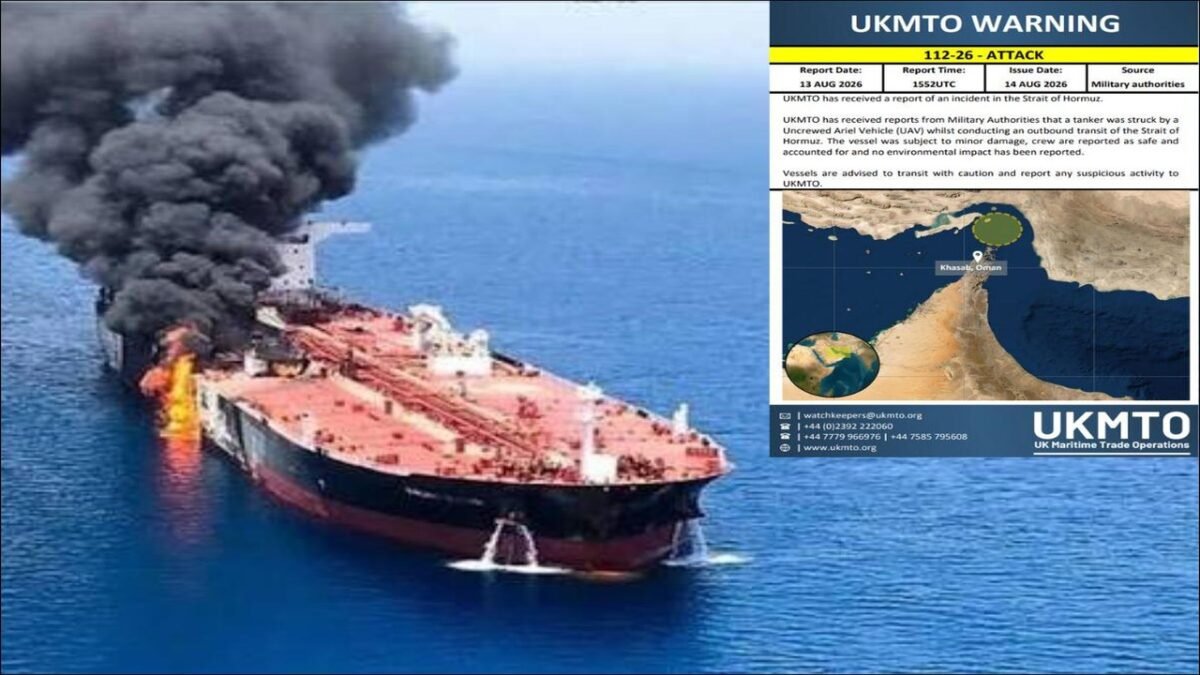
On a recent Thursday, a tanker transiting outbound through the Strait of Hormuz experienced a drone attack, as officially reported by the UKMTO. This British government agency, dedicated to monitoring maritime security in the region, disseminated the information, confirming that the vessel sustained a direct impact from an Uncrewed Aerial Vehicle (UAV). The incident was logged at approximately 15:52 UTC, providing a precise timestamp for this significant breach of maritime safety.
The UKMTO’s social media statement detailed the immediate aftermath: “UKMTO has received reports from Military Authorities that a tanker was struck by an Uncrewed Aerial Vehicle (UAV) whilst conducting an outbound transit of the Strait of Hormuz.” Crucially, the agency further clarified the extent of the damage and the welfare of those onboard, noting, “The vessel was subject to minor damage, crew are reported as safe and accounted for and no environmental impact has been reported.” These reassurances, while welcome, do little to alleviate the underlying anxieties within the shipping industry regarding future vulnerabilities.
This latest incident serves as a stark reminder of the ongoing challenges in safeguarding vessels, particularly oil tankers, as they navigate through strategically important international waters. The Strait of Hormuz, connecting the Persian Gulf with the Arabian Sea and the Indian Ocean, is a narrow and heavily trafficked passage through which a significant portion of the world’s seaborne crude oil passes daily. Any disruption or perceived threat in this critical chokepoint inevitably reverberates across global energy markets and shipping industry operations, underscoring the urgent need for enhanced maritime security measures.
Geopolitical Landscape and Maritime Security Risks
The drone strike on the tanker in the Strait of Hormuz cannot be viewed in isolation; it is deeply embedded within the complex and often turbulent geopolitical context of the Middle East. The original report alluded to heightened tensions following the “ongoing US-Iran war,” a reference to the prolonged period of geopolitical friction and proxy conflicts between the two nations, which frequently manifest in maritime incidents. This persistent state of regional instability transforms critical sea lanes into potential flashpoints, increasing the vulnerability of commercial shipping vessels.
The Strait of Hormuz, as the sole sea passage from the Persian Gulf to the open ocean, is undeniably the most strategically important chokepoint for global oil supply. Roughly one-fifth of the world’s total petroleum consumption, including a substantial volume of crude oil transport, traverses this waterway. Consequently, any security breach or act of aggression here carries immediate and profound implications for international energy security and global trade. The presence of military forces from various nations in the vicinity further complicates the security landscape, demanding constant vigilance from maritime intelligence agencies and shipping operators alike.
Such incidents heighten the perceived navigation risks for all vessels, from bulk carriers to gas carriers, but most acutely for oil tankers laden with valuable and often combustible cargo. The repeated occurrence of these events forces shipping companies to continuously re-evaluate their operational strategies, security protocols, and crew training. The potential for miscalculation or escalation in an already tense environment remains a significant concern, making the need for robust vessel protection and international cooperation in shipping safety paramount. Ensuring the freedom of navigation and the secure passage of goods through these international waters is a shared responsibility that demands continuous diplomatic and security efforts from the global community.
Impact on Global Shipping and Supply Chains
The immediate aftermath of a tanker hit by a drone in a strategic location like the Strait of Hormuz sends ripples throughout the global shipping industry. While the reported damage was minor and the crew safe, the psychological impact and the perceived increase in risk are significant. Shipping companies operating oil tankers and other commercial vessels in the region immediately evaluate their security posture, potentially increasing their threat readiness levels. This often translates into higher operational costs, including enhanced security details and revised routing plans to mitigate future risks, even if slightly longer routes are involved.
One of the most direct and tangible impacts of such maritime security incidents is on insurance rates. War risk insurance premiums for vessels transiting high-risk areas like the Strait of Hormuz typically surge following attacks. This additional cost is ultimately passed down through the supply chain, affecting the pricing of crude oil and refined petroleum products for consumers worldwide. The uncertainty surrounding future attacks also makes long-term planning challenging for shipping lines and charterers, potentially leading to delays or disruptions in the reliable transport of essential goods across continents.
Furthermore, these events underscore the fragility of global supply chains, particularly those reliant on critical chokepoints. A sustained period of insecurity in the Strait of Hormuz could lead to significant disruptions in the flow of energy to major consuming nations, impacting industrial production, economic stability, and international trade relations. The reliance on oil tankers for energy transportation means that shipping safety in these waters is not just an industry concern but a matter of international economic stability and geopolitical balance. The incident serves as a clear warning about the need for resilience and adaptability in a world where maritime threats are evolving.
Enhancing Vessel Safety and Future Outlook for Tankers
In response to recurring threats, including the latest tanker drone attack, the maritime industry, alongside international naval forces, is continuously striving to enhance vessel safety and maritime security protocols. This involves a multi-faceted approach, starting with improved intelligence gathering and sharing amongst naval authorities, shipping companies, and maritime intelligence organizations like UKMTO. Accurate and timely threat assessments are crucial for informing decisions on routing, speed, and the level of security required for each transit, particularly for vulnerable oil tankers carrying high-value cargo through high-risk areas such as the Strait of Hormuz.
Technological advancements also play a critical role in bolstering shipping safety. The development and deployment of counter-UAV (C-UAV) systems, enhanced radar capabilities, and sophisticated surveillance technologies are becoming increasingly important for vessel protection against evolving aerial threats. Furthermore, the training of crew members in anti-piracy and anti-terrorism measures, as well as emergency response protocols, remains a cornerstone of ensuring crew safety and minimizing damage in the event of an incident. Collaboration between flag states, port states, and naval coalitions is essential for creating a unified front against threats to commercial shipping.
The future outlook for tankers and the broader shipping industry in regions fraught with geopolitical tensions like the Strait of Hormuz demands sustained vigilance and adaptive strategies. While complete elimination of risk may be impossible, a proactive and collaborative approach involving governments, international organizations, and private sector stakeholders can significantly mitigate vulnerabilities. The goal is to ensure the uninterrupted flow of global trade and energy, upholding the principles of freedom of navigation, even in the face of complex and persistent navigation risks. The latest drone strike on a tanker underscores that this commitment to maritime security must be unwavering and continuously refined to meet the challenges of an unpredictable world.
The tanker hit by drone in Strait of Hormuz serves as a potent reminder of the inherent dangers and complex geopolitical challenges affecting global maritime security. While initial reports indicate minor damage and no harm to the crew, the incident’s broader implications for oil tankers, commercial shipping, and the stability of global supply chains are profound. As the international community grapples with escalating tensions, maintaining stringent shipping safety measures and fostering enhanced cooperation remain paramount to safeguarding the vital arteries of global trade against evolving threats.