STS JV & TotalEnergies Pilot Wind Towing for FPSO | Mariner News
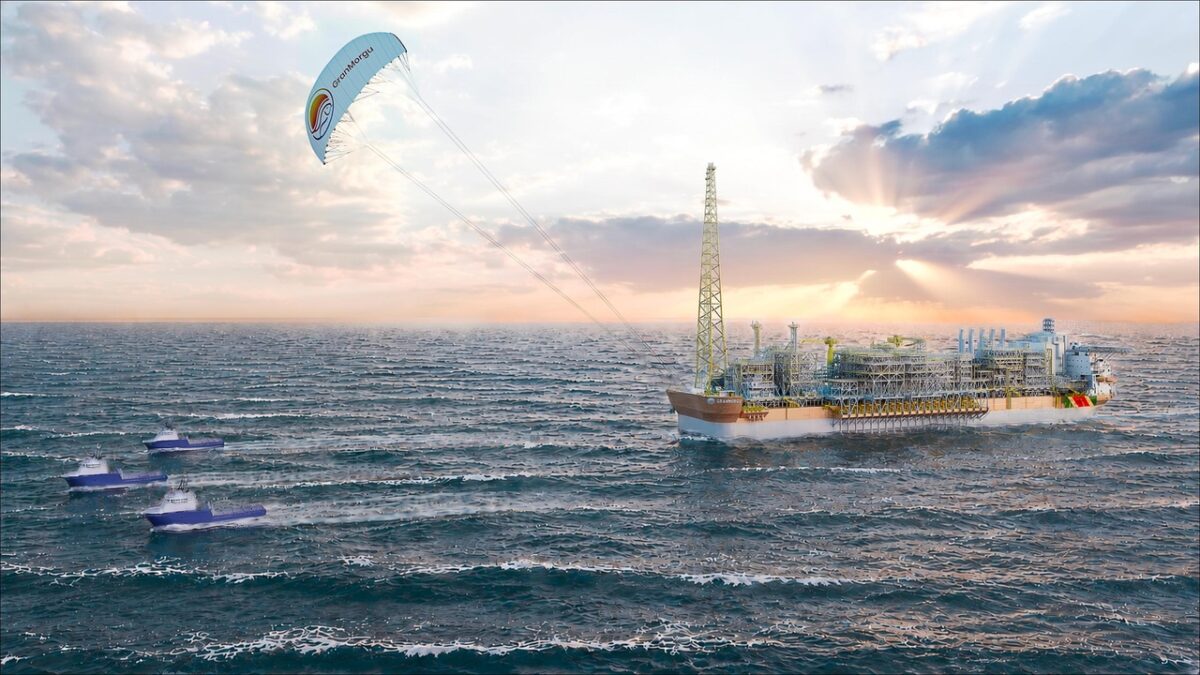
The global maritime industry is experiencing an unprecedented shift towards greener operations, propelled by ambitious decarbonization targets and a collective push for environmental stewardship. In a pioneering move that promises to redefine offshore logistics, STS JV, a formidable alliance between industry giants SBM Offshore and Technip Energies, has collaborated with TotalEnergies EP Suriname to spearhead an innovative wind-assisted towing for FPSO (Floating Production, Storage and Offloading) vessels. This groundbreaking project aims to employ advanced kite-assisted propulsion to tow the massive GranMorgu FPSO from its fabrication site in China to its designated operational location offshore Suriname. This strategic initiative is poised to significantly reduce fuel consumption and curtail carbon emissions during one of the most resource-intensive phases of an FPSO’s lifecycle, marking a pivotal step towards more sustainable maritime transport and cleaner energy infrastructure. The commitment from these leading entities highlights a robust industry trend towards integrating renewable energy solutions into complex offshore operations, signaling a future where environmental responsibility and operational efficiency go hand-in-hand.
The GranMorgu FPSO Project: A Sustainable Vision Takes Flight
The GranMorgu FPSO vessel is at the heart of this transformative project, representing a significant investment in offshore energy production. Its long journey from a distant construction yard to its operational base necessitates a robust and efficient towing solution. Traditional towing methods are heavily reliant on conventional marine fuels, leading to substantial greenhouse gas emissions and operational costs. Recognizing this challenge, STS JV and TotalEnergies EP Suriname have proactively sought an environmentally superior alternative. The collaboration leverages the deep engineering and project management expertise of SBM Offshore and Technip Energies through their joint venture, combined with TotalEnergies’ commitment to exploring innovative solutions for its energy projects.
This partnership underscores a shared vision for a more sustainable future in the energy sector. The decision to integrate wind propulsion technology into the towing operation of such a critical asset like the GranMorgu FPSO sends a powerful message across the maritime and energy industries. It demonstrates that advanced technological solutions can effectively address environmental concerns without compromising the stringent demands of large-scale offshore developments. The project is not merely an experiment; it is a meticulously planned endeavor designed to yield actionable data and establish new benchmarks for sustainable FPSO deployment.
Harnessing Wind Power with SeaKite Technology
At the core of this innovative endeavor is the state-of-the-art SeaKite 2400 technology developed by Beyond the Sea, a recognized leader in wind propulsion solutions. This automated kite system is engineered to capture and convert wind energy into propulsive force, significantly augmenting the capabilities of the conventional tug vessels. The SeaKite 2400 is not just a simple sail; it is a sophisticated, intelligent system designed for large-scale maritime applications. Its ability to operate autonomously, adapting to varying wind conditions, makes it an ideal candidate for long-distance towing operations where consistent performance is paramount.
The deployment of this kite-assisted propulsion system promises a multitude of benefits. Primarily, it is expected to achieve substantial reductions in fuel consumption for the towing fleet, translating directly into lower operational costs and, more critically, a significant decrease in carbon footprint. Beyond fuel savings, the system is also designed to potentially reduce the overall towing time, enhancing logistical efficiency for the GranMorgu FPSO’s journey. This dual advantage of cost savings and environmental benefits positions the SeaKite technology as a game-changer for heavy-lift maritime transport and offshore asset relocation, aligning perfectly with global targets for emissions reduction and improved sustainability in shipping.
Phased Implementation and Operational Trials
To ensure the successful and safe integration of this novel technology, the project will unfold in carefully managed phases. The initial phase focuses on technology qualification, a crucial step to validate the performance and reliability of the SeaKite 2400 under simulated and controlled conditions. Following successful qualification, the system will undergo rigorous onshore testing, allowing engineers to fine-tune its mechanisms and operational protocols in a controlled environment before actual maritime deployment. This meticulous preparation minimizes risks and optimizes the system for real-world challenges encountered during an extensive ocean tow.
The culmination of these preparatory stages will be the installation of the SeaKite system onto the GranMorgu FPSO prior to its departure from China. Once installed, the operational trials will commence, marking a historic moment as this project is anticipated to be the first application of kite-assisted towing for an FPSO vessel globally. During the tow to Suriname, comprehensive data will be collected on the kite’s launch and recovery systems, its performance under various wind conditions, and its overall contribution to fuel efficiency and towing speed. This invaluable operational data will be instrumental in supporting future widespread deployment of similar wind propulsion technologies on other large vessels, paving the way for a new era of eco-friendly maritime logistics.
Driving Decarbonization in Offshore Energy
The maritime sector, especially the specialized field of offshore energy transport, faces immense pressure to decarbonize. Projects like the wind-assisted towing for FPSOs by STS JV and TotalEnergies are critical accelerators in this global transition towards greener shipping. By demonstrating the viability and effectiveness of renewable energy sources for such large-scale operations, they provide tangible evidence that achieving net-zero emissions is within reach. This initiative contributes directly to the broader goals of maritime sustainability and the reduction of the industry’s overall carbon footprint, offering a scalable solution for complex offshore operations that are typically carbon-intensive.
Beyond the immediate benefits for the GranMorgu FPSO, this pilot project serves as a powerful lighthouse for the entire industry. It encourages other players in the offshore, shipping, and logistics sectors to explore and invest in similar green technologies. The success of this trial could catalyze further research and development into various forms of wind propulsion, energy storage, and alternative fuels, fostering a competitive environment for innovation in sustainable maritime solutions. This proactive approach to environmental responsibility not only meets regulatory demands but also positions the participating companies as leaders in the global push for a more sustainable energy future.
Future Prospects and Industry Impact
The implications of this pioneering wind-assisted towing for FPSO project extend far beyond the journey of a single vessel. If successful, it will establish a new paradigm for how large offshore assets are transported and deployed globally. The data gathered will be crucial for refining the technology and building a strong business case for broader adoption across the maritime industry. Imagine a future where fleets of FPSOs, oil rigs, and other massive marine structures are routinely moved with the aid of powerful, automated kites, dramatically reducing their environmental impact and operational costs. This vision is now closer to reality, thanks to the foresight and collaboration of STS JV and TotalEnergies.
This project also highlights the importance of cross-industry partnerships in accelerating the adoption of sustainable technologies. The combined expertise of engineering, energy, and specialized wind propulsion companies creates a powerful synergy that can overcome complex technical and logistical challenges. As the world continues to demand cleaner energy and more responsible industrial practices, innovations in sustainable offshore transport will become increasingly vital. The GranMorgu FPSO’s wind-assisted tow is not just a journey across the ocean; it is a significant voyage towards a more environmentally sound and economically efficient maritime future, setting a new standard for sustainable energy infrastructure development and inspiring further advancements in green shipping.