STR Expands Marine Biofuel & Methanol Storage in Rotterdam | Mariner News
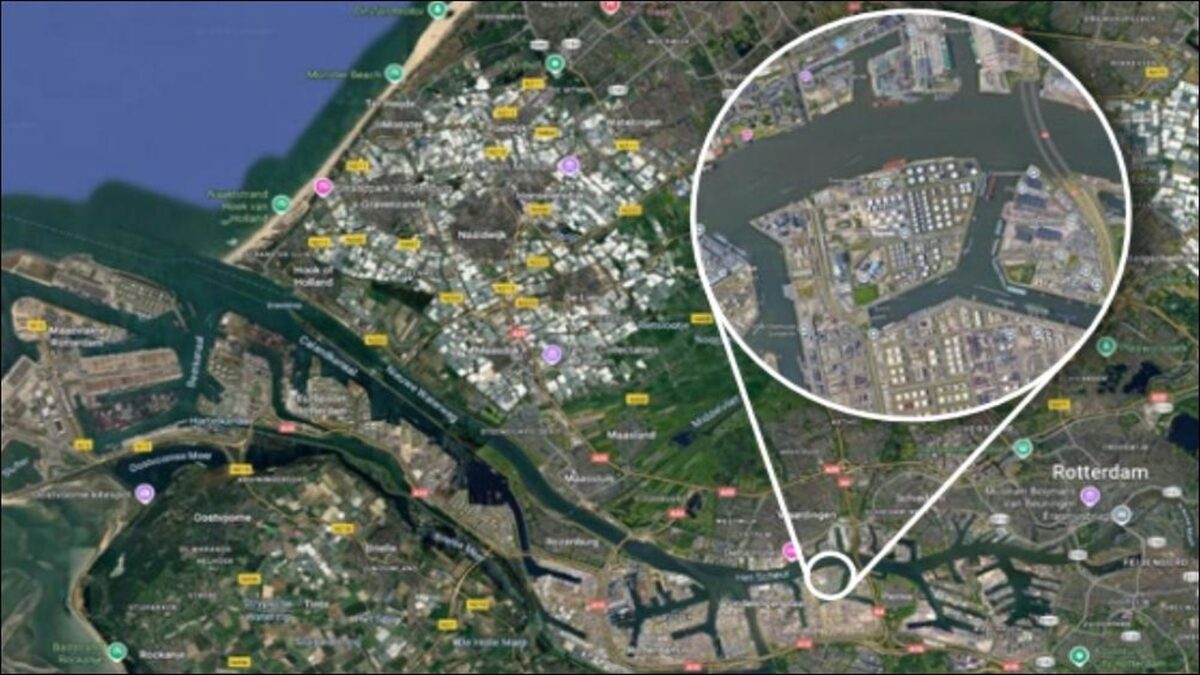
Service Terminal Rotterdam (STR) is making a significant move to bolster the Port of Rotterdam’s position as a global leader in sustainable maritime logistics. Through its ambitious GreenSTR project, the company is set to add approximately 100,000 cubic meters (m³) of new storage capacity for marine biofuels and methanol at its Rotterdam facilities. This crucial expansion directly addresses the escalating demand for alternative marine fuels within the shipping industry, marking a pivotal step towards achieving ambitious decarbonization targets. This strategic investment not only fortifies Rotterdam’s infrastructure but also signals a robust commitment from STR to facilitate the energy transition in the maritime sector. As the global shipping fleet increasingly seeks lower-carbon fuel solutions, the availability of dedicated storage and blending capabilities for advanced biofuels and methanol becomes paramount. STR’s initiative underscores the imperative for robust land-side infrastructure to support the transition to a greener maritime future, positioning the Port of Rotterdam at the forefront of this vital global shift. The GreenSTR project, strategically located adjacent to STR’s existing terminal in the Port of Rotterdam’s Boltek area, is meticulously designed to meet the evolving needs of the ARA bunker market, providing essential support for the growing ecosystem of sustainable shipping fuels.
Catalyzing Green Shipping with Strategic Infrastructure
The maritime industry is undergoing an unprecedented transformation, driven by stringent environmental regulations and a collective global commitment to reduce greenhouse gas emissions. Central to this transformation is the accelerated adoption of alternative marine fuels such as biofuels and methanol. However, the successful integration of these fuels hinges on the development of robust, scalable infrastructure for their storage, handling, and blending. STR’s GreenSTR project precisely fills this critical gap, providing vital support for the entire supply chain of sustainable maritime fuels in one of the world’s busiest ports.
The planned addition of 100,000 m³ of storage capacity is not merely an increase in volume; it represents a forward-looking investment in the necessary groundwork for future fuel solutions. This expanded infrastructure will enable greater flexibility and efficiency in supplying the burgeoning demand for lower-carbon options for vessels calling at Rotterdam and beyond. By facilitating the secure and efficient handling of these innovative fuels, STR is directly contributing to the port’s strategic goal of becoming a major bunkering hub for the new generation of sustainable energy carriers, cementing its reputation as a pioneer in green shipping initiatives. This dedicated capacity will streamline operations for shipowners and operators, making the transition to cleaner fuels more accessible and operationally viable.
Rotterdam: A Hub for Sustainable Maritime Fuels
The Port of Rotterdam is globally recognized for its strategic importance in maritime trade and logistics, and it is rapidly solidifying its reputation as a vanguard for the energy transition within the shipping sector. STR, with its established presence and expertise in operating a substantial bunker terminal at the Port of Rotterdam’s Boltek area, is uniquely positioned to spearhead this expansion. Its existing facility, boasting a capacity of 242,000 m³, already serves the dynamic ARA bunker market, offering comprehensive fuel storage and blending services. The GreenSTR project builds upon this strong foundation, leveraging STR’s deep understanding of marine fuel logistics and operational excellence.
The new facility is engineered to be highly versatile, capable of handling a diverse array of products, including advanced marine biofuels and methanol, with the potential to accommodate future alternative fuels as they emerge. This adaptability is crucial in a rapidly evolving energy landscape where new fuel types are continually being developed and commercialized. By integrating this new capacity directly adjacent to its existing terminal, STR ensures operational synergy, allowing for seamless blending and distribution services that are critical for meeting specific vessel requirements and regulatory compliance. This strategic enhancement underscores Rotterdam’s commitment to providing comprehensive and cutting-edge solutions for the sustainable future of global shipping.
Engineering a Sustainable Future: The GreenSTR Project Details
The successful realization of the GreenSTR project involves meticulous planning and collaboration with specialized engineering and permitting partners. STR has strategically chosen Vicoma as its engineering partner, a firm renowned for its expertise in designing complex industrial infrastructure projects. This collaboration ensures that the new storage facility will be constructed to the highest standards of safety, efficiency, and environmental sustainability. Concurrently, Antea Group Nederland is actively engaged in managing the intricate permitting activities, navigating the regulatory landscape to ensure full compliance and smooth project execution.
The design of the new facility will incorporate advanced technologies for the safe and efficient handling of marine biofuels and methanol, including state-of-the-art tankage, piping systems, and blending equipment. The ability to perform complex blending operations on-site is a significant advantage, allowing for the creation of customized fuel blends that meet specific engine requirements and emission targets. This advanced capability will be instrumental in supporting ship operators as they incrementally adopt lower-carbon fuels, potentially starting with blends before transitioning to pure alternative fuels. The synergy between STR’s operational experience and its partners’ technical prowess is set to deliver a world-class facility that not only expands capacity but also enhances the overall capability and flexibility of Rotterdam’s green bunkering services.
Addressing the Maritime Industry’s Decarbonization Challenge
The global maritime industry faces immense pressure to reduce its environmental footprint, with international bodies like the IMO setting ambitious targets for carbon emission reductions by 2030 and 2050. The transition from conventional heavy fuel oil to lower-carbon alternatives like marine biofuels and methanol is a cornerstone of this decarbonization strategy. However, the pace of adoption is heavily dependent on the availability of robust, scalable infrastructure at key bunkering hubs. STR’s investment in additional storage capacity for marine biofuels and methanol directly addresses this critical need, removing a significant bottleneck in the supply chain for these cleaner fuels.
By ensuring ample storage and efficient blending capabilities, the GreenSTR project empowers shipping companies to confidently integrate these sustainable options into their operational strategies. This infrastructure development is not just about fuel availability; it’s about providing the confidence and reliability needed for large-scale adoption, which is essential for the industry to meet its long-term environmental objectives. The enhanced capability in Rotterdam will serve as a powerful catalyst, encouraging more shipowners to invest in vessels capable of running on alternative fuels, knowing that the necessary supply chain is robustly in place. It represents a proactive step towards a future where sustainable shipping is not just an aspiration but a logistical reality.
Economic and Environmental Impact: A Dual Benefit
The GreenSTR project yields substantial benefits that extend beyond the immediate operational advantages for STR. Economically, this expansion strengthens Rotterdam’s competitive edge as a premier global bunkering and logistics hub, attracting further investment and fostering job creation within the burgeoning green energy sector. It positions the port as a critical enabler for the global energy transition, reinforcing its status as an innovative and forward-thinking maritime gateway. Environmentally, the increased availability and accessibility of marine biofuels and methanol directly contribute to a significant reduction in greenhouse gas and other harmful emissions from shipping.
By facilitating the widespread adoption of these cleaner fuels, STR is playing a direct role in mitigating climate change and improving air quality, particularly in port areas. This dual impact—economic prosperity coupled with environmental stewardship—highlights the synergistic potential of strategic investments in sustainable infrastructure. The project underscores that economic growth and ecological responsibility are not mutually exclusive but rather interconnected drivers of a resilient and future-proof maritime industry.
STR’s ambitious GreenSTR project represents a landmark development in the global push for sustainable shipping. By significantly expanding its storage capacity for marine biofuels and methanol in the strategically vital Port of Rotterdam, STR is not merely increasing its operational footprint; it is actively shaping the future of maritime fuel supply. This investment provides essential infrastructure that is critical for the widespread adoption of lower-carbon fuels, enabling the shipping industry to meet its challenging decarbonization targets. The collaboration with expert partners and the strategic location of the new facility underscore a meticulously planned approach to addressing the industry’s evolving needs. As the world transitions towards a cleaner energy future, projects like GreenSTR are indispensable, demonstrating a clear commitment to environmental responsibility and innovation within the maritime sector. Rotterdam, with STR’s enhanced capabilities, is firmly establishing itself as a pivotal hub where sustainable maritime solutions are not just discussed but actively implemented, paving the way for a truly green shipping era.