

Steering Failure on Atlantic Asphalt Tanker Capsizes New Orleans Cruise Ship

NTSB confirms a stuck rudder caused the Atlantic Asphalt to strike and capsize a docked cruise ship in New Orleans. Here is what it means for owners.
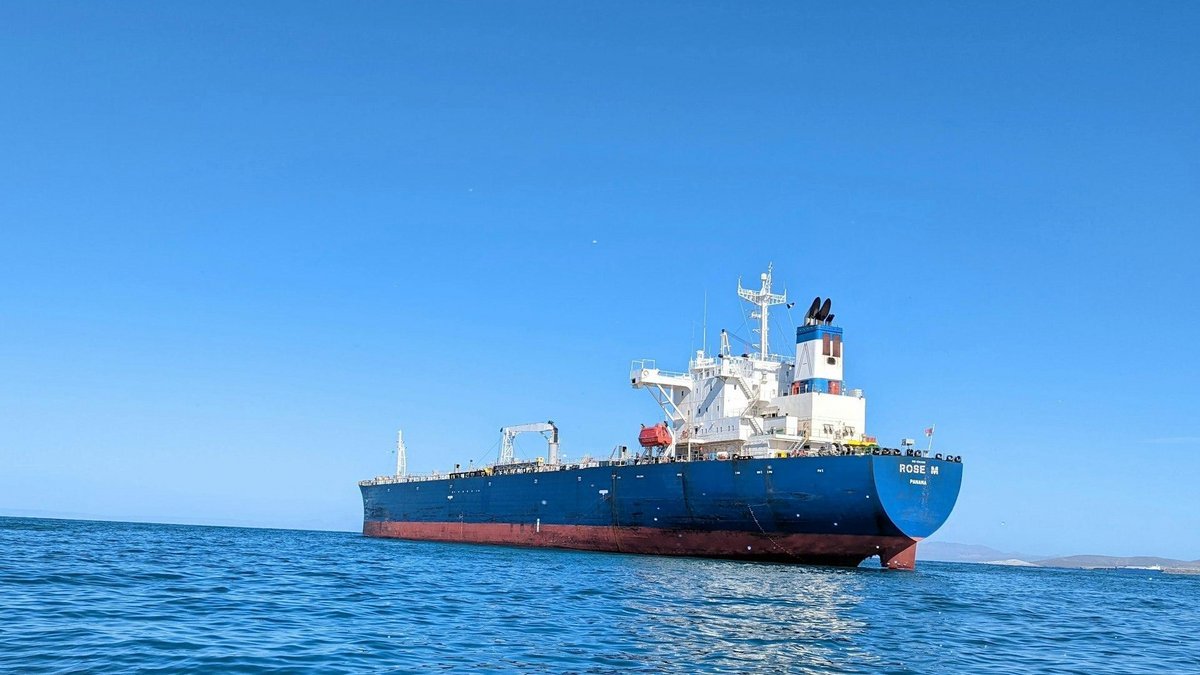
A steering casualty on the asphalt tanker Atlantic Asphalt caused the vessel to veer off course and capsize the docked cruise ship American Heritage in New Orleans, placing mechanical maintenance and emergency response under federal scrutiny.
National Transportation Safety Board (NTSB) investigator Bart Barnum confirmed the tanker’s rudder became stuck in a starboard position while traveling upriver near the Crescent City Connection Bridge on November 13, 2026. The impact caused the American Heritage, which had 190 people aboard, to topple and capsize within 22 minutes. Investigators have recovered the voyage-data recorder and are analyzing bridge audio, rudder angles, and propulsion performance.
Why it matters
The recovery of the voyage-data recorder means the timeline of the steering failure is already established. For the owners and insurers of the Marshall Islands-flagged Atlantic Asphalt, the investigation now centers on whether the failure resulted from a latent mechanical defect or a maintenance oversight. Because the collision occurred in a restricted waterway, the NTSB’s focus on whether anchors were deployed suggests that the crew’s emergency ship-handling will be scrutinized alongside the mechanical failure.
This incident shows the thin margins for error in the Mississippi River. A rudder stuck for just two minutes resulted in the capsizing of a passenger vessel. For operators in high-traffic river corridors, the speed at which the American Heritage toppled—22 minutes—demonstrates that even docked vessels face extreme hull-loss risks from passing traffic.
What to watch
The NTSB will release a preliminary report in approximately 30 days, following crew interviews scheduled for the coming week.
Source: gCaptain