

Spanish Port Strike Disrupts Algeciras and Valencia Hubs
A 24-hour strike in Spain has halted container movements and rail freight, forcing major Mediterranean hubs to clear a cargo backlog.
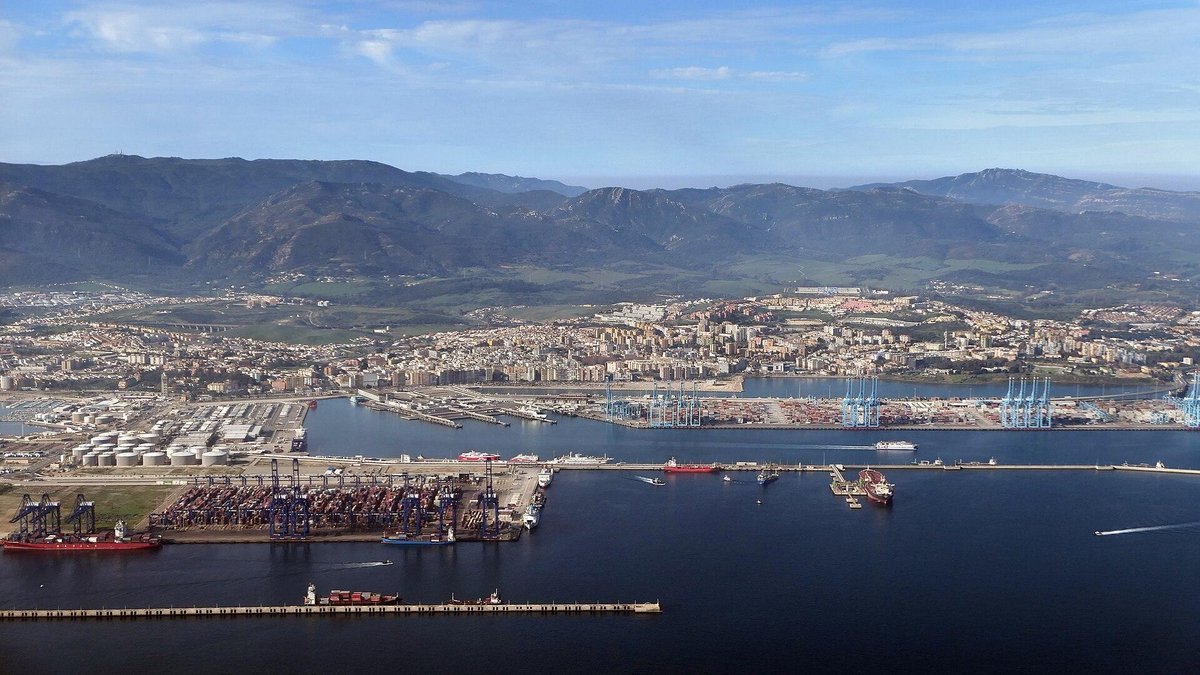
A 24-hour general strike across Spain has forced container vessels to anchor and halted rail-port freight, leaving major Mediterranean transhipment hubs to clear a cargo backlog of uncertain scale.
Container movements stopped at Algeciras and Valencia between 2am on 11 November and 2am on 12 November. Cargo operations requiring dockers also ceased at Barcelona, though essential marine services continued. AIS tracking data showed the 20,124 teu Ever Gifted and the 1,072 teu Contship Zen at anchor off Valencia during the action, while the CMA CGM Tiga made slow approaches to Algeciras after anchoring early yesterday.
The disruption extended inland as port activity slowed. Juan Diego Pedrero, president of the Spanish Association of Private Railway Companies, told local media that dozens of freight services were cancelled, particularly affecting traffic at Valencia and Barcelona. While logistics association UNO described the impact as limited and localised, Pedrero confirmed that activity across the ports slowed heavily.
APM Terminals (APMT) reported that its facilities met minimum service levels established by the Spanish Ministry and Port Authorities. A spokesperson for APMT stated there was no strike participation by its employees or contractors in Algeciras, attributing limited operational impacts there to previously announced weather-related restrictions. All terminals are now reportedly operating normally.
Why it matters
Transhipment hubs like Algeciras and Valencia rely on high-velocity throughput to maintain carrier schedules. Even a 24-hour halt creates a ripple effect for shipowners and charterers managing tight Mediterranean rotations. If terminals cannot restore productivity immediately, carriers risk rolling cargo or being forced to revise rotations to recover lost time.
The disruption to rail services is the most immediate bottleneck for cargo owners. While terminal gates have reopened, the cancellation of dozens of freight trains at Valencia and Barcelona suggests landside congestion will persist longer than the ship-to-shore delays. This intermodal friction directly affects the reliability of supply chains moving goods into the Spanish interior and the wider EU.
Conflicting reports from terminal operators and railway associations suggest the industry is not yet aligned on the strike’s severity. APMT attributes Algeciras delays to weather rather than labour, but for vessel operators with assets at anchor, the distinction is secondary to the resulting delay in berthing windows. The presence of an ultra-large container vessel like the Ever Gifted at anchor complicates recovery efforts, as these ships require maximum crane intensity to clear.
What to watch
AIS data over the next 48 hours will show if vessels like Ever Gifted and CMA CGM Tiga berth promptly or if berthing congestion forces carriers to skip scheduled Spanish calls in favour of alternative Mediterranean transhipment hubs.
Source: The Loadstar