

MSC Hikes December FAK Rates to Mediterranean and Black Sea
MSC is raising Far East to Mediterranean and Black Sea container rates by up to $1,200 from December 1, while holding Northern Europe tariffs steady.
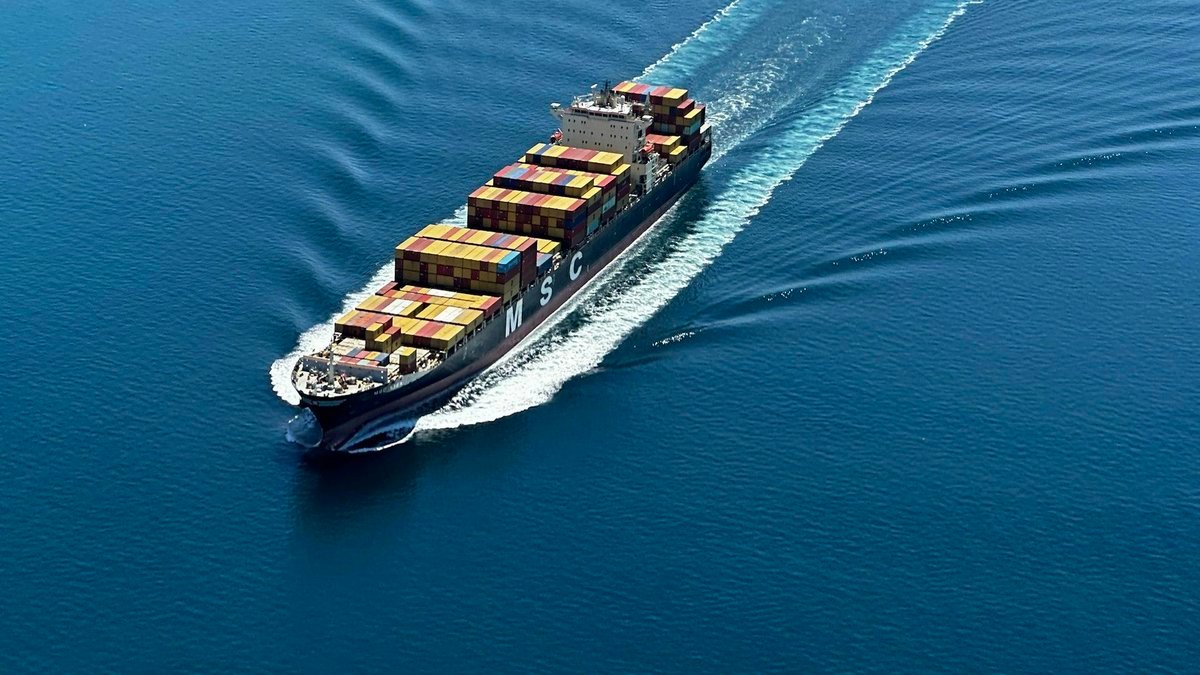
MSC has announced a series of Freight All Kinds (FAK) rate increases for shipments from the Far East to the Mediterranean, North Africa, and the Black Sea, effective 1 December 2026. The new tariffs will remain in place until no later than 14 December 2026.
Rates for 40-foot dry and high-cube containers moving to the Western Mediterranean and Adriatic will rise by US$1,200 to US$6,500. Shipments to the Eastern Mediterranean and the Black Sea will see an increase of US$800, bringing rates to US$6,500 and US$6,700 respectively. North African routes face the steepest pricing, with Algeria reaching US$8,200 per 40-foot container, while Libya, Tunisia, and Morocco will see increases of US$800, pushing rates to US$8,000 and US$7,000.
While Mediterranean and Black Sea routes see significant hikes, MSC will maintain its existing rates to Northern Europe at US$4,600. The published tariffs include the ocean freight component, a December Global Fuel Surcharge of US$304 per TEU, and various carbon and emission surcharges.
Why it matters
The decision to hold Northern European rates steady while aggressively pricing up Mediterranean and Black Sea capacity indicates a divergence in demand or operational costs between the two regions. For shippers, this creates a clear cost disparity that may force a re-evaluation of routing strategies, particularly for cargo that could be offloaded at Northern European hubs and moved via land-bridge to Mediterranean markets.
The inclusion of specific surcharges for Emission Control Areas, Carbon Limitation, and Carbon Review underscores the rising regulatory cost of moving goods into European waters. With the Global Fuel Surcharge rising from US$266 to US$304 per TEU, the total landed cost for containers is climbing even before accounting for additional Suez Canal or Piracy Risk surcharges. Charterers and cargo owners must now account for these layered costs, which are increasingly sensitive to the specific port of discharge.
What to watch
Market participants should monitor whether other major carriers follow MSC’s lead in raising Mediterranean and Black Sea tariffs, or if the current spread between Northern European and Mediterranean rates triggers a shift in vessel deployment to capture the higher revenue potential in the south.
Source: Container News