

Smart Port Challenge yields 28 pilot deals for AI and autonomous tech
Singapore’s Smart Port Challenge draws record 586 proposals as 28 maritime firms sign on for AI and autonomous technology pilots.
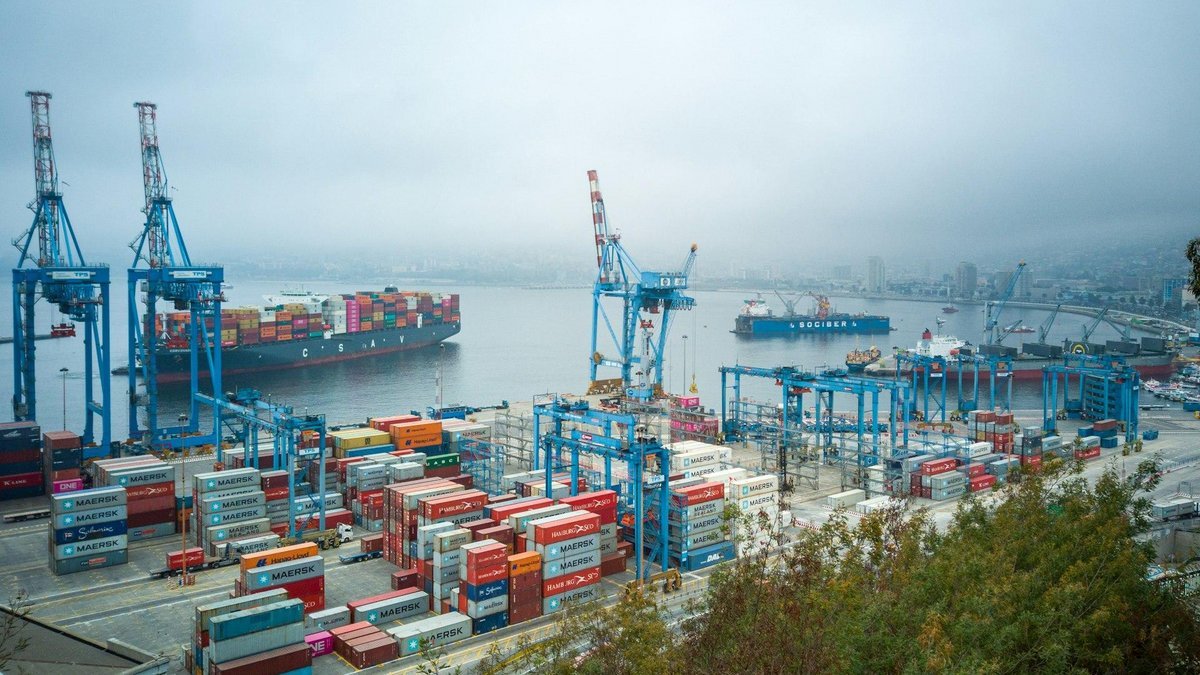
The 10th anniversary of Singapore’s Smart Port Challenge (SPC) has moved beyond experimental tech, securing 28 pilot agreements with maritime companies to deploy AI and autonomous systems. This record-breaking competition signals that owners and operators are now prioritizing immediate commercial applications for voyage optimization and port safety.
The Maritime and Port Authority of Singapore (MPA) and NUS Enterprise announced the 2026 winners following a record 586 proposals from 39 countries. Australia’s Ocean Intelligence took the Top Start-up Prize for an AI platform that identifies fuel-efficient routes by combining ocean currents, weather conditions, and vessel characteristics. South Korea’s Vueron Technology won the Top Scale-up Prize for LiDAR-based autonomous mobility and safety tech.
China’s Trunk Technology received a Special Mention for its autonomous driving and fleet management solutions for ports. Other competing technologies included robotic cargo hold cleaning systems, automated confined-space inspections, AI-based maritime cybersecurity platforms, and biological sensors for water pollution detection. Of the submissions, 21 startups from 11 countries entered the 10-week SPC Accelerate program, with eight advancing to the Grand Finale.
Why it matters
The signing of 28 Letters of Intent (LOIs) for pilot projects is the most critical outcome for the industry. These agreements move technology out of the lab and onto the water or into the terminal, where they can be tested against real-world operating costs. For charterers and owners, the focus on AI-powered voyage optimization points to a direct path for reducing fuel consumption and meeting tightening emissions targets.
The recognition of Trunk Technology’s autonomous fleet management and Vueron’s LiDAR systems suggests that terminal operators are looking to automation to solve safety and labor challenges. These are not niche interests; the S$180 million in capital raised by PIER71-supported startups since 2018 shows that investors see a clear return in digitizing the port-to-ship interface. Since its 2017 launch, the challenge has attracted more than 2,100 proposals and supported over 200 startups.
The expansion of PIER71 partnerships into Hamburg, Rotterdam, and Los Angeles means these technologies will likely become standard across major trade lanes. Companies that ignore these efficiency gains risk falling behind competitors who are already integrating robotic cargo hold cleaning and automated inspection systems into their operations. This international commercialization support connects emerging companies directly with overseas markets and investors.
What to watch
The conversion of the 28 current Letters of Intent into permanent commercial contracts will determine which of these startups can scale beyond the Singaporean ecosystem.
Source: MarineLink