

Corfu hits 1 million cruise passengers as port triggers terminal expansion
Corfu surpasses 1 million cruise passengers in 2026, driving plans for new terminals and infrastructure to handle surging transit traffic.
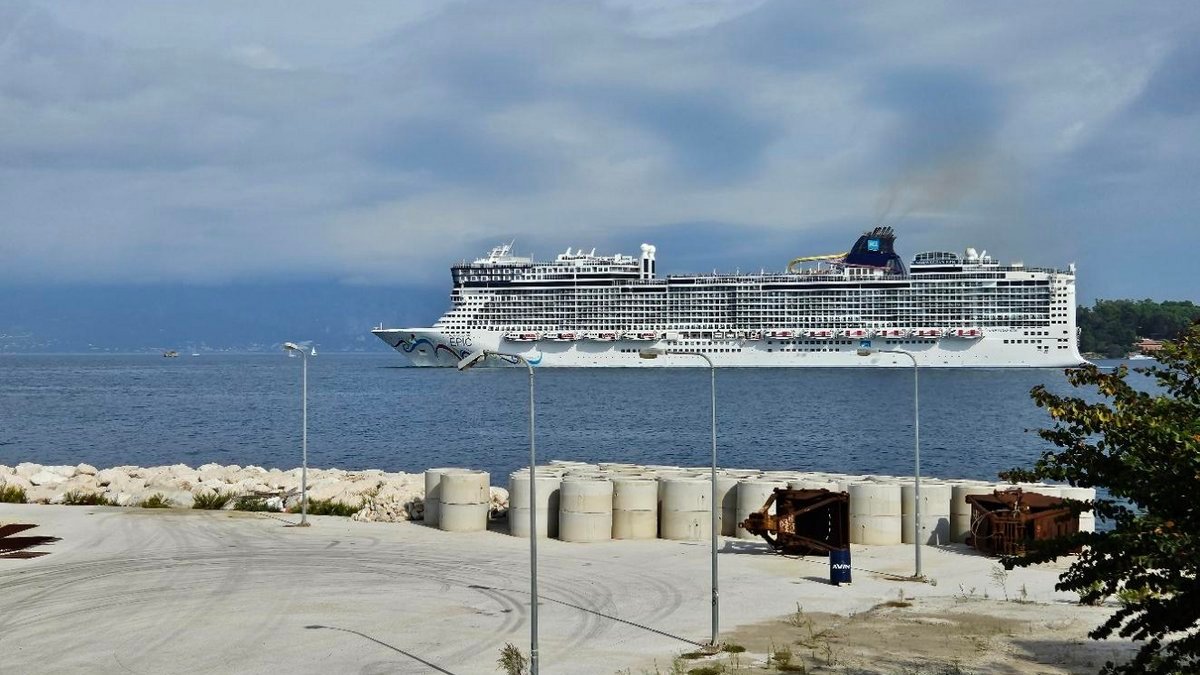
Corfu Port Authority has handled more than 1 million cruise passengers for the first time in its history, a volume surge that is forcing a major infrastructure overhaul to maintain the island’s status as a top-tier Adriatic destination.
Total passenger traffic reached 1,003,242 by the end of October 2026, an 18.62% increase over the 845,745 recorded during the same ten-month period in 2025. This growth was driven primarily by transit traffic, which jumped 25.16% to 813,540 passengers. Ship activity followed a similar trend, with 510 cruise ship calls recorded through October, up from 428 a year earlier.
While transit numbers climbed, homeporting traffic remained flat. The port recorded 94,480 Home In passengers and 95,222 Home Out passengers, matching levels from the previous year. To manage the increased volume, the Port Authority is advancing plans for a new Cruise Passenger Terminal and a dedicated non-Schengen terminal to serve the Corfu–Albania route.
Why it matters
The record-breaking traffic confirms Corfu as a dominant hub for the Ionian and Adriatic cruise circuits, but the data reveals a growing reliance on transit calls rather than higher-value homeporting. For cruise operators, this means the port is reaching a saturation point where congestion risks rise as ship calls increase by nearly 20% in a single season.
The Port Authority’s response—a new terminal and dredging works across 37 ports—indicates that current facilities have reached their limit. Owners and operators should expect a period of heavy construction as the port attempts to catch up with demand. The €1.6 million expected from the cruise passenger levy this year provides the capital for these upgrades, but the immediate challenge for shore-side logistics will be managing the 148,000-plus passengers now arriving even in the late season.
The stability of homeporting figures suggests that while Corfu is a preferred stop, it has yet to convince operators to move more turnaround operations to the island. Until the new terminals are operational, the port remains primarily a high-volume transit stop, leaving it vulnerable to itinerary shifts if local infrastructure cannot keep pace with the 25% annual growth in transit arrivals.
What to watch
The next milestone is the formal commencement of dredging works and the construction timeline for the new non-Schengen terminal, which will dictate how efficiently the port handles the growing Albania connection.
Source: Shipping Herald