

Singapore to License Two LNG Floating Storage Units to Boost Bunkering
MPA Singapore opens FSU licenses for two 130,000 m³ units, mandating open-access storage to support eight new LNG bunker suppliers.
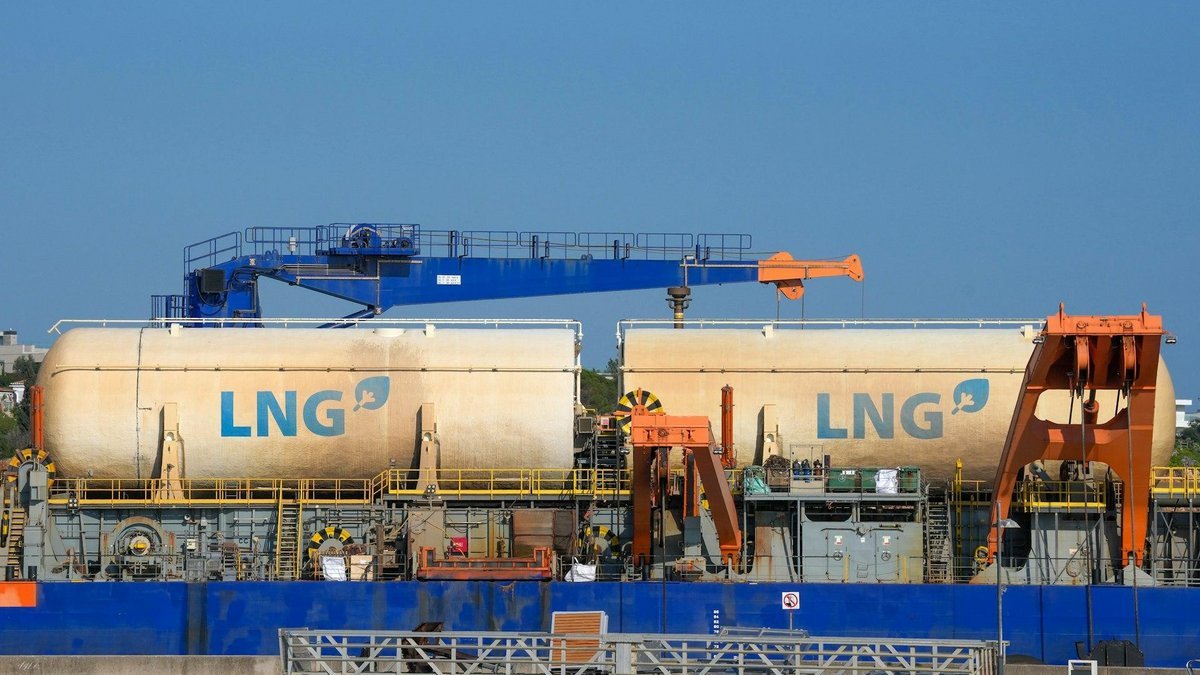
The Maritime and Port Authority of Singapore (MPA) is opening applications for up to two liquefied natural gas (LNG) Floating Storage Units (FSUs) to provide the offshore capacity needed for its expanded pool of bunker suppliers. This move shifts storage from land-based terminals to the anchorages, mandating open-access terms that prevent a storage monopoly by the license holders.
The call for applications follows the MPA’s award of eight new LNG bunker supplier licenses in July 2026. These FSUs will complement the existing supplier base by diversifying storage and reloading options within Singapore anchorages. Applications are open to existing LNG bunker licensees, who may partner with third-party terminal operators to provide operational expertise.
Applicants must own or charter at least one FSU with a minimum storage capacity of 130,000 m³ registered with the Singapore Registry of Ships. The MPA requires that most of the storage capacity be allocated for LNG bunkering, with a specific minimum requirement for capacity made available to other suppliers on open-access terms. Operators must also disclose the maximum fees they intend to charge for reloading services. Each license will be valid for five years.
To align with decarbonization targets, all FSUs must be certified under the International Sustainability and Carbon Certification European Union (ISCC-EU) framework. This ensures the infrastructure can handle bio-LNG and e-LNG as these lower-emission fuels become available.
Why it matters
For the eight new bunker licensees, this is a critical infrastructure play. Without dedicated FSU capacity, these suppliers would remain reliant on land-based terminal slots, which are often congested or controlled by established competitors. Moving storage to the anchorages provides the physical room for these new players to actually move product.
The open-access requirement is the real lever for the market. By forcing FSU operators to share capacity and disclose maximum fees, the MPA is ensuring that smaller suppliers can compete on price and availability. This transparency likely aims to lower the cost of LNG bunkering in Singapore as competition for delivery intensifies.
The 130,000 m³ minimum size ensures these are major storage hubs rather than small-scale barges. Registering them under the Singapore flag also tightens the MPA’s regulatory grip on safety and operational standards, ensuring that offshore storage meets the same rigor as land-based facilities.
The ISCC-EU mandate signals that standard LNG is no longer the long-term focus for the port. Owners investing in these FSUs must be ready to handle bio-LNG and e-LNG from the start. This forces the bunkering supply chain to prepare for tightening international carbon regulations before the fuels even reach mass-market availability.
What to watch
The MPA will conduct a briefing for interested companies on 4 December 2026, with the final application window closing at 5.00 pm on 4 February 2027.
Source: MPA Singapore