

Posco International completes second Gwangyang LNG terminal
Posco International finishes its second Gwangyang LNG terminal, securing its energy supply chain and paving the way for further capacity expansion.
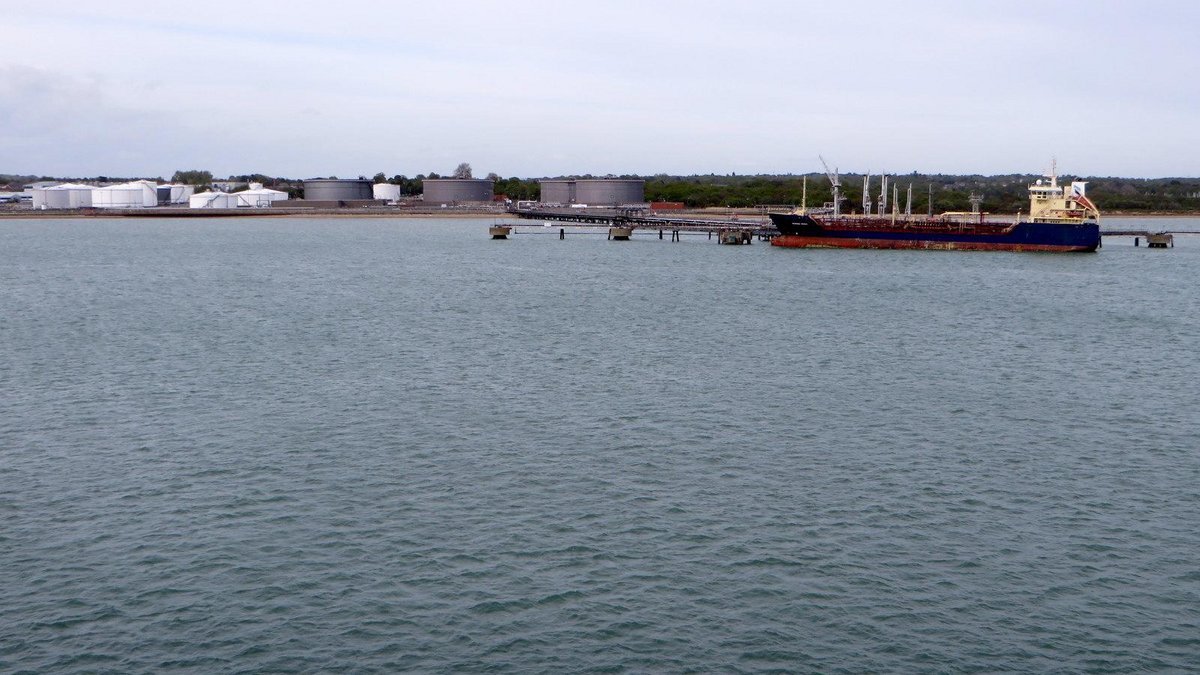
Posco International has completed its second LNG import terminal at Gwangyang, a move that secures the steelmaker’s energy supply chain and establishes a foundation for a broader push into gas infrastructure.
Posco International, a subsidiary of the steel group Posco, finished the second Gwangyang liquefied natural gas (LNG) import terminal. The company intends to expand capacity at the site further. Recent agreements include a Heads of Agreement with Kospo for the terminal and a cooperation pact with Equinor.
Why it matters
This completion shifts Posco from a consumer of energy to a major infrastructure operator. By controlling the terminal, Posco reduces its exposure to third-party terminal fees and scheduling constraints. The move also supports the company’s broader maritime ambitions, including a partnership with Hanwha Ocean to build an LNG carrier featuring high-manganese steel tanks.
For the shipping market, this vertical integration means Posco is increasingly likely to dictate its own logistics terms. The high-manganese steel tank project with Hanwha Ocean suggests Posco is using its own steel products to disrupt the LNG carrier segment, potentially lowering construction costs for its future fleet. This creates a closed-loop system where Posco produces the steel, builds the tanks, and operates the terminal receiving the cargo.
The cooperation pact with Equinor and the deal with Kospo indicate that Gwangyang is evolving into a commercial hub rather than just a captive industrial facility. This provides South Korean energy markets with a private-sector alternative for storage and regasification, potentially altering the flow of LNG imports into the peninsula.
What to watch
The next phase of capacity expansion at Gwangyang and the technical performance of the high-manganese steel tanks in the Hanwha Ocean project.
Source: LNG Prime