

Egypt Deepens Gas Cuts to Fertilizer Plants Amid Energy Squeeze
Egypt slashes gas supplies to fertilizer producers by 33% to manage LNG costs, impacting dry bulk exports and increasing fuel oil imports.
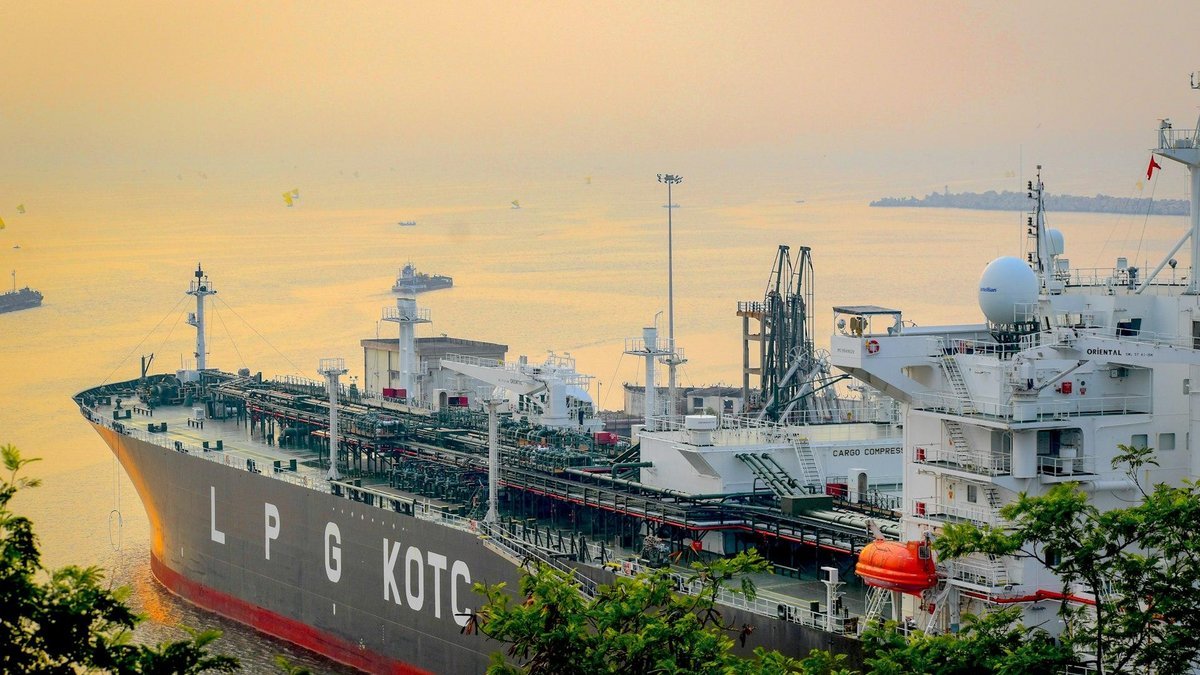
Egypt has notified domestic fertilizer producers of a new 33% reduction in natural gas supplies, marking a significant escalation in the country’s efforts to manage a widening energy deficit and curb the cost of liquefied natural gas (LNG) imports.
The move, confirmed by Misr Fertilizers Production Company (MOPCO), follows a previous 20% cut. Major producers, including Abu Qir Fertilizers and Chemical Industries, have indicated they will adjust production schedules and maintenance to align with the reduced feedstock availability.
Prioritizing Power Over Industry
The supply tightening reflects a strategic decision by Cairo to prioritize domestic power generation over industrial exports. While Egypt has historically relied on its own gas fields, domestic output has failed to keep pace with rising demand. The regional conflict involving Iran has further strained global LNG markets, driving prices above the government’s budgetary estimates.
Market analysts note that Egypt had already spent $5.8 billion on LNG imports by early October, more than half of its $10.1 billion budget for the 2026/27 financial year. With demand expected to rise during the spring and summer months, the country is facing a significant budget overrun.
Shifting Cargo Profiles
For the maritime sector, the gas cuts signal a shift in cargo flows and vessel demand in the Eastern Mediterranean. The reduction in fertilizer production is expected to dampen dry bulk export volumes, particularly for the Supramax and Handysize segments that typically handle Egyptian chemical exports.
Simultaneously, Egypt is pivoting toward cheaper, high-sulphur fuel oil (HSFO) to bridge the energy gap. The state-run Egyptian General Petroleum Corporation recently purchased six HSFO cargoes for year-end delivery. This increased reliance on heavy fuels for power generation suggests a localized surge in tanker demand, even as the global shipping industry faces higher HSFO prices due to Red Sea diversions.
The Petroleum Ministry has not officially commented on the latest cuts, but the move underscores the precarious balance Egypt must strike between industrial productivity and maintaining the national power grid amid volatile global energy pricing.
Source: gCaptain