

Sea drone strike sinks Betul 8 in Bulgarian waters
The sinking of the Betul 8 in Bulgaria’s EEZ signals a dangerous escalation for shipping in the western Black Sea despite NATO patrols.
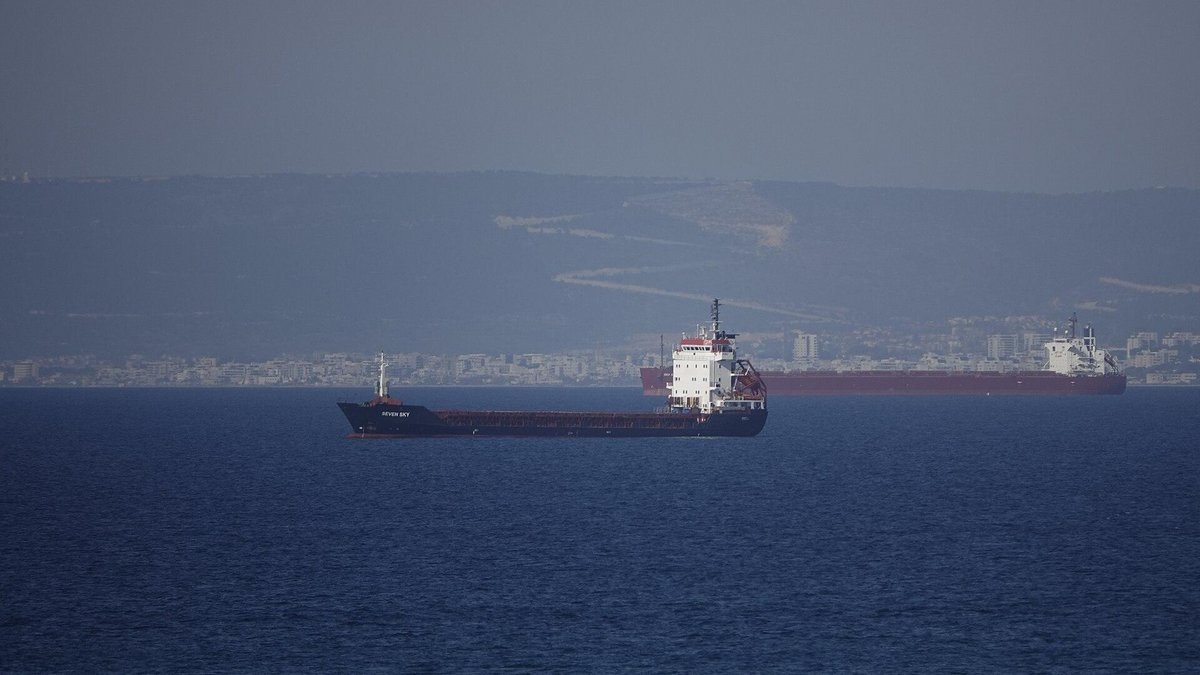
The sinking of the general cargo ship Betul 8 in Bulgaria’s exclusive economic zone proves that even a heightened NATO presence cannot guarantee safety for the grain trade in the western Black Sea. The vessel capsized and sank on Monday, November 16, after reporting strikes from sea drones while navigating 40 nautical miles east of Cape Kaliakra.
The 3,223 dwt Betul 8 was carrying 3,000 tons of wheat from Tulcea, Romania, to Egypt when it issued a Mayday call at 9:15 a.m. local time. Bulgarian and NATO naval units, including ships from Romania and Turkey, coordinated with the Bulgarian Air Force to rescue the 12-member crew from liferafts. The crew, consisting of eight Turkish and four Azerbaijani seafarers, were treated for cold exposure but avoided serious injury.
This attack is the fifth reported in the region since Friday, ending a brief lull in hostilities. Security firm Diaplous reports that 17 ships have been attacked in the western Black Sea since mid-July, resulting in seven vessels sunk and at least 35 seafarers killed or missing. The Betul 8 was registered in Somalia and linked to Turkish interests through a Marshall Islands corporation.
Why it matters
The loss of the Betul 8 confirms that the western Black Sea is no longer a sanctuary for commercial tonnage. This strike occurred deep within the Bulgarian EEZ, a zone previously considered safer than the direct routes to Ukrainian ports. For owners and charterers, the geography of risk has expanded; staying close to the coast of NATO members no longer provides a shield against sea drone deployments.
The failure of NATO assets to prevent the strike is a blow to operational confidence. A French patrol aircraft and the Black Sea Mine Countermeasures Naval Group were active in the area, yet they could not stop the drones from reaching their target. This suggests that current surveillance and countermeasure efforts are insufficient to protect slow-moving general cargo ships in the 3,000-dwt class, which are the workhorses of the Danube grain trade.
Romania’s new advisory for ships to take alternate routes to avoid the Danube Delta will immediately increase transit times and fuel costs. For insurers, the rising tally of seven ships sunk in four months in the western sector makes war-risk premiums for these lanes increasingly difficult to price. Smaller operators may find the cost of insurance and the physical risk to crews too high to maintain the Tulcea-to-Egypt grain run.
What to watch
Watch for whether the Romanian and Bulgarian navies transition from mine-clearing duties to active vessel escorts following Prime Minister Luca Niculescu’s statement that these attacks violate international law. The next data point will be the impact of Romania’s routing advisory on traffic volumes through the Danube Delta over the coming week.
Source: The Maritime Executive