

Himalaya locks $41,550 daily for two newcastlemaxes in Q1 2027
Himalaya Shipping secures $7.5m in gross hire for 2027, shifting two newcastlemaxes to fixed rates to hedge against market volatility.
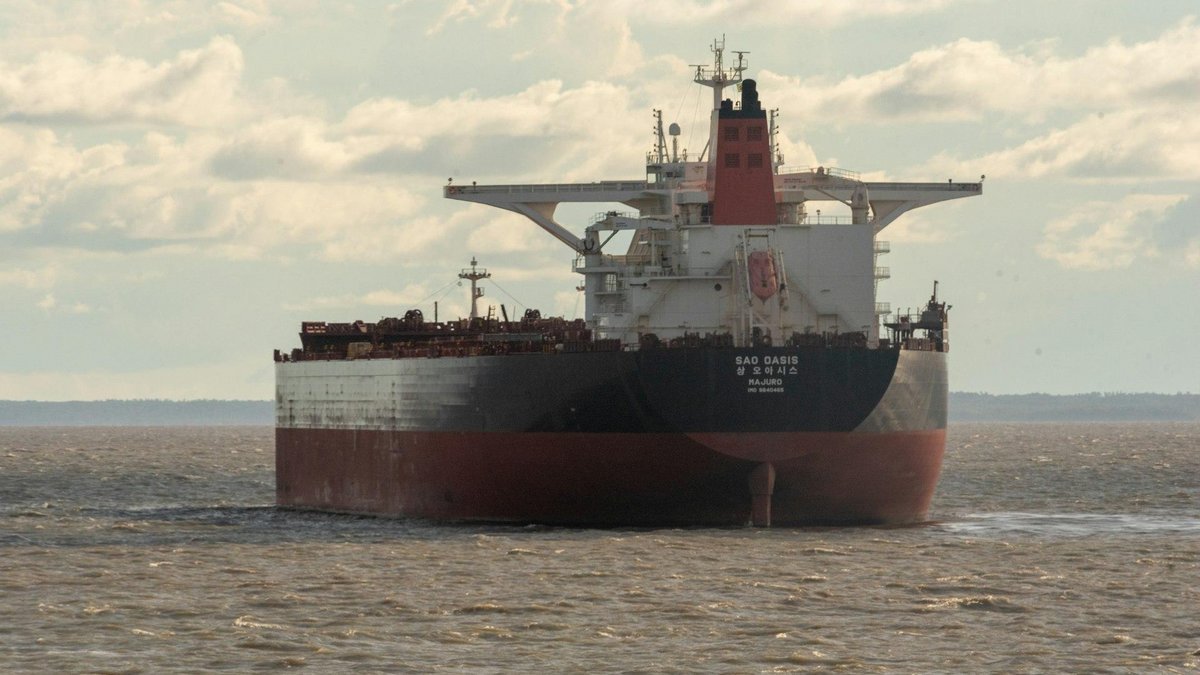
Himalaya Shipping is trading spot upside for revenue certainty by locking two newcastlemax bulkers into fixed-rate charters for the first quarter of 2027 at an average of $41,550 per day. This deal secures approximately $7.5 million in gross hire and continues a strategic pivot toward defensive hedging for the Tor Olav Trøim-backed owner.
The Oslo- and New York-listed company will run these rate locks from January 1 through March 31, 2027. Himalaya did not name the specific vessels or the charterers involved in the conversion from index-linked employment.
The move follows a pattern of opportunistic fixing. In August, Himalaya fixed two newcastlemaxes at $51,200 per day through December, and another two at $53,000 per day from September through March 2027. The company operates a modern fleet of 12 LNG dual-fuel, 210,000 dwt newcastlemaxes delivered between 2023 and 2024.
Himalaya continues to outperform the broader market. The company reported average gross time charter equivalent earnings of $58,400 per day in the third quarter, while the average Baltic 5TC 180 Capesize Index sat at $41,369.
Why it matters
Himalaya is building a floor under its 2027 earnings. While the $41,550 fixed rate is lower than the $58,400 average the fleet earned in the third quarter, it provides a guaranteed margin over the current Baltic 5TC benchmark and protects the company from the seasonal volatility typical of the first quarter.
This strategy signals a preference for cash-flow visibility over maximum spot exposure. By fixing rates now, Himalaya ensures it can maintain its dividend-heavy model and cover debt obligations regardless of how the broader capesize market performs in early 2027. It effectively de-risks a portion of the fleet while the ships are still nearly three years away from the contract period.
The company is maintaining a balanced book rather than exiting the spot market entirely. Other vessels in the fleet remain on index-linked contracts that earn premiums to the Baltic 5TC. This allows the owner to benefit from the technical efficiency of its new, dual-fuel vessels while using fixed-rate blocks to insulate the balance sheet from a potential market downturn.
What to watch
The performance of the Baltic 5TC relative to these fixed rates as 2027 approaches will determine if Himalaya left money on the table or successfully dodged a market dip. Watch for further conversions of the remaining index-linked vessels as the company manages its exposure for the 2027 calendar year.
Source: Splash247