SCI tenders for six 18,000 TEU ships in major fleet expansion

Shipping Corporation of India targets 18,000 TEU vessels and second-hand tonnage to scale up its container operations and domestic shipbuilding.
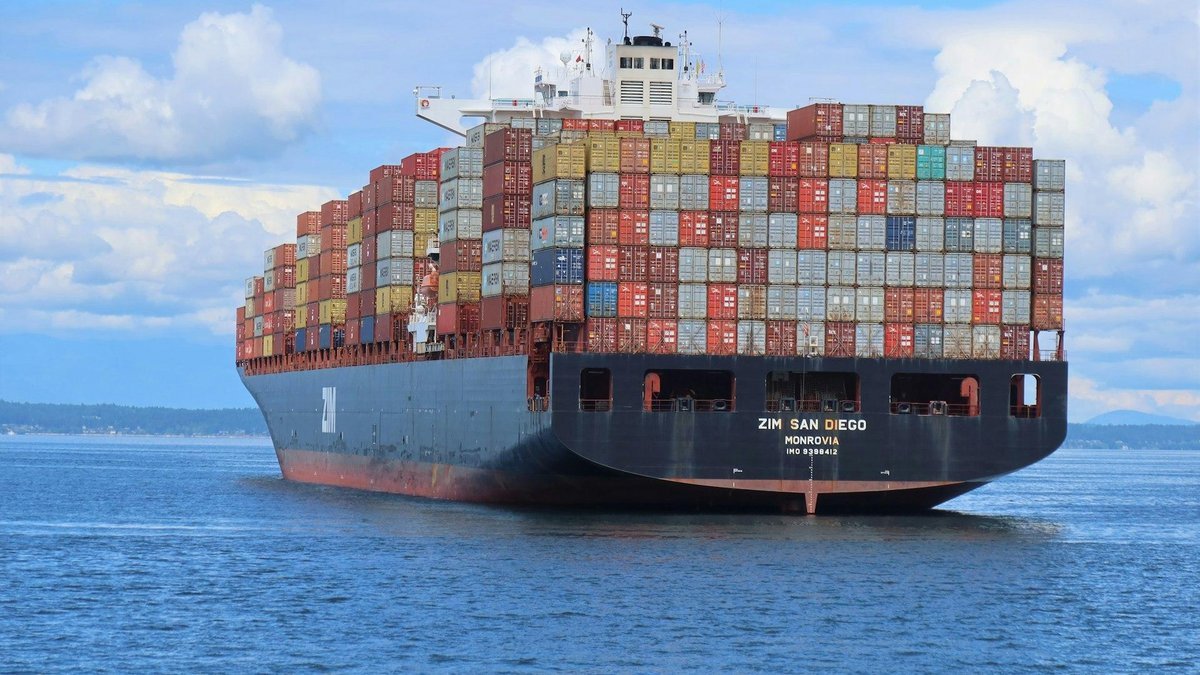
Shipping Corporation of India (SCI) is moving to compete on global trade lanes by tendering for six 18,000 TEU containerships, shifting the state-owned carrier beyond its traditional regional focus. The company is also seeking at least two and up to four second-hand vessels in the 1,500–2,500 TEU range to bolster its immediate capacity.
The tender for the 18,000 TEU newbuilds specifies that four of the six vessels must be built in Indian shipyards. SCI expects to operate two of these ships directly, while the remaining four are earmarked for Bharat Container Line, a planned joint venture between SCI, Indian ports, and other domestic partners.
These latest invitations follow previous tenders for two firm vessels plus four options in both the 1,700 TEU and 8,000 TEU size classes. The combined acquisition strategy targets both the ultra-large segment for main-haul routes and smaller tonnage for regional or feeder services.
Why it matters
The move into the 18,000 TEU segment changes the competitive profile of Indian shipping. By jumping from 8,000 TEU designs to ultra-large container vessels, SCI is signaling an intent to carry a larger share of India’s export-import cargo on its own bottoms. This scale allows for the slot costs necessary to compete on high-volume routes that were previously the domain of foreign lines.
The requirement for four vessels to be built domestically places a heavy demand on Indian shipyards. Building 18,000 TEU ships requires sophisticated infrastructure and supply chains that have historically been concentrated in East Asia. Success here would establish a new tier of capability for the local shipbuilding industry, though the technical leap from smaller vessels is steep.
The planned Bharat Container Line joint venture suggests a strategic alignment between the carrier and Indian port operators. By bringing ports into the ownership structure, the venture likely aims to secure the volume stability and operational coordination needed to justify such a massive capital investment. This integrated approach points to a desire for greater control over the domestic supply chain.
What to watch
The next trigger is the response from Indian shipyards to the 18,000 TEU requirement and whether the second-hand market can provide the 1,500–2,500 TEU tonnage at prices that fit SCI’s expansion budget.