

Saudi Arabia Confirms Drone Attacks on Strategic East-West Pipeline
Drone strikes on Saudi Arabia's Petroline threaten the primary bypass for the Strait of Hormuz, forcing Aramco to halt pumping operations.
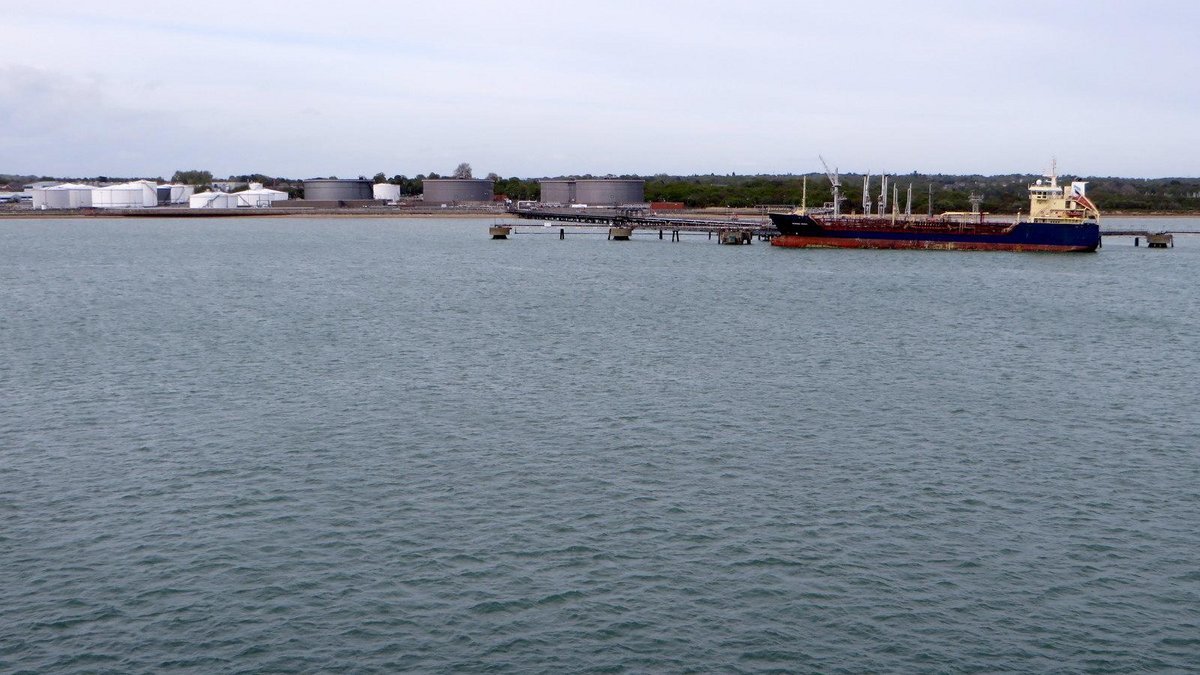
Saudi Arabia’s confirmation of drone strikes on its East-West Pipeline targets the primary bypass for the Strait of Hormuz, proving that land-based transit to Red Sea terminals no longer offers a guaranteed escape from regional volatility.
Saudi Energy Minister Khalid al-Falih stated that armed drones attacked pump stations eight and nine on the pipeline Tuesday morning. Saudi Aramco stopped pumping as a precaution while it assesses the damage, which al-Falih described as a fire at one station that was later controlled. Houthi-run Masirah TV claimed the group launched seven drones against Saudi vital installations in response to what it termed continued aggression.
The East-West Pipeline, or Petroline, is the kingdom’s strategic alternative to the Strait of Hormuz. It allows Saudi Arabia to move crude from its Eastern Province fields to the port of Yanbu on the Red Sea. By disabling pump stations, attackers can choke off this alternative route, forcing more volume through the very maritime chokepoint the pipeline was designed to avoid.
Why it matters
For tanker owners and charterers, this expands the geography of risk. While recent sabotage reports focused on vessels off Fujairah, these strikes prove that infrastructure feeding Red Sea terminals is vulnerable. A prolonged shutdown or frequent disruptions at these pump stations would likely force a reshuffle of loading schedules, pushing more Suezmax and VLCC traffic back into the Gulf of Oman and the Strait of Hormuz.
This development challenges the perceived safety of Red Sea loadings. If the Petroline cannot reliably deliver crude to Yanbu, the commercial logic of using the Red Sea as a safe export hub weakens. Insurers and operators must now account for the risk of aerial drone strikes on the terrestrial infrastructure that sustains these trade lanes.
The disruption also impacts global crude supply security. If the pipeline remains offline, the concentration of traffic in the Strait of Hormuz increases the potential impact of any further maritime incidents. This puts immediate pressure on security-compliant tonnage and likely influences insurance assessments for the entire region.
What to watch
Watch for Saudi Aramco to announce the resumption of pumping operations, which will indicate the true extent of the damage to the pump stations and the reliability of the Yanbu export route.
Source: The Maritime Executive