

Human Remains Found on Drone-Struck Tanker Wine Trader
Discovery of bodies on the Wine Trader confirms the high human cost of drone strikes for ships waiting near the Danube delta.
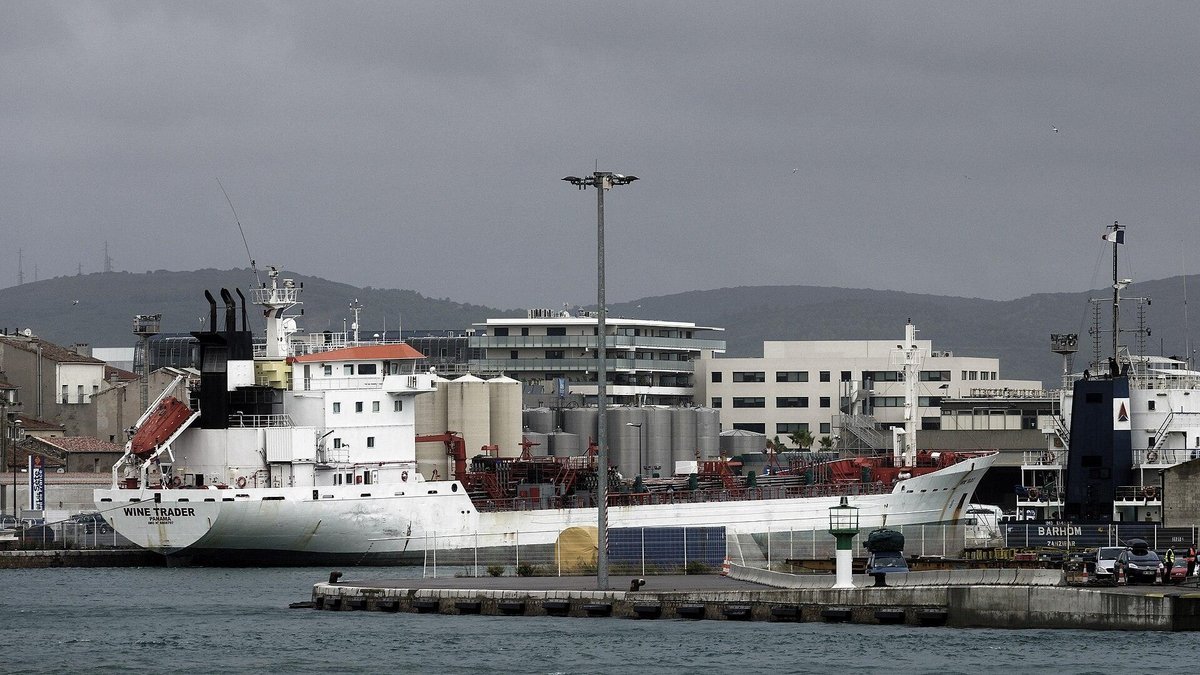
Bulgarian officials have confirmed the discovery of human remains aboard the tanker Wine Trader, a development that confirms the lethal risk to crews operating in the western Black Sea. The find follows a series of drone strikes that have targeted at least nine merchant vessels off the coasts of Romania and Bulgaria since last month.
The Varna District Prosecutor’s Office reported that severely damaged remains were located while the 6,259 dwt Wine Trader was undergoing wreckage clearing at a Bulgarian shipyard in early November. The San Marino-registered tanker was struck by three drones on October 15 while anchored 13 nautical miles off Sulina, Romania, where it was waiting for clearance to enter the Danube. While five seafarers were rescued at the time, seven were reported missing; Bulgarian media reports that six of those missing have now been located.
The vessel is one of several recent casualties in the region. On October 28, the Contship Jet, a vessel operated under charter to Zim, was struck and sunk despite being monitored by a French maritime patrol aircraft. While all 18 crewmembers on the Contship Jet escaped, the broader campaign against merchant shipping has left at least 34 seafarers killed or missing.
Why it matters
The recovery of these remains moves the Black Sea conflict from a story of hull damage to one of mass crew casualties. For shipowners and charterers, the Wine Trader incident proves that anchoring in Romanian waters to wait for Danube clearance no longer offers safety from targeted attacks. The lethality of these strikes suggests that current defensive measures are failing to protect seafarers in what were previously considered lower-risk transit zones.
While NATO and France have increased maritime patrols, their presence has been reactive. The sinking of the Contship Jet occurred even after a French aircraft detected the attack and alerted Romanian officials. This operational gap leaves crews exposed during the vulnerable period when vessels are stationary at anchor or awaiting port entry instructions.
The concentration of attacks near Sulina specifically targets the grain and fuel trade lanes serving the Danube. Owners operating in this segment now face a choice between accepting extreme physical risk to their crews or avoiding the route entirely until a formal safe shipping lane is established.
What to watch
The next trigger for the region is the formal proposal by Bulgaria, Romania, and Turkey to establish a safe shipping lane. Success depends on whether Russia maintains its current pause in broader Black Sea attacks, which have not been reported since October 29.
Source: The Maritime Executive