Samsung Heavy & S&L Ink FSMR Nuclear Reactor Deal | Mariner News
Samsung Heavy Industries, a global leader in shipbuilding and offshore plant construction, has embarked on a groundbreaking collaboration with Sargent & Lundy, a prominent U.S. engineering firm, to accelerate the development of Floating Small Modular Reactors (FSMRs). This strategic alliance marks a pivotal moment in the quest for innovative, sustainable energy solutions, promising to revolutionize how clean nuclear power is generated and delivered worldwide. The partnership leverages the unique strengths of both companies, aiming to create a standardized, versatile FSMR platform capable of integrating diverse reactor technologies, thereby offering unparalleled flexibility to global customers seeking advanced energy options.
The memorandum of understanding between the Korean shipbuilder and the U.S. engineering powerhouse signals a robust commitment to driving forward next-generation nuclear technology within the maritime sector. This initiative positions both entities at the forefront of the burgeoning floating nuclear power market, addressing critical demands for reliable, decarbonized energy sources. By combining world-class expertise, Samsung Heavy and Sargent & Lundy are set to establish new benchmarks for efficiency, safety, and adaptability in nuclear energy deployment.
This development is particularly significant in the context of the global energy transition, where conventional fossil fuels are gradually being phased out in favor of cleaner alternatives. FSMRs offer a compelling solution for reducing carbon emissions and achieving energy independence, especially in regions with limited grid infrastructure or those requiring robust power generation for industrial applications or remote communities. The implications for sustainable development and energy security are profound, making this collaboration a subject of keen interest across industries.
The Transformative Potential of Floating Small Modular Reactors
Floating Small Modular Reactors (FSMRs) represent a monumental leap forward in nuclear energy technology, moving beyond traditional land-based plants to embrace the adaptability of offshore platforms. These sophisticated systems integrate compact nuclear reactors onto floating structures, offering a flexible and scalable approach to power generation. Unlike conventional nuclear facilities, the modular design of FSMRs allows for standardized manufacturing, quicker deployment, and easier scalability, making them an attractive option for a variety of energy needs globally. Their inherent mobility provides distinct advantages, enabling power to be delivered to coastal regions, remote islands, or even offshore industrial sites that might otherwise face significant logistical challenges.
One of the most compelling aspects of FSMR technology is its versatility. The agreement between Samsung Heavy Industries and Sargent & Lundy specifically targets the creation of a standardized platform designed to accommodate a diverse range of reactor technologies, rather than being limited to a single type. This “unrivaled versatility” ensures that the platform can be adapted to specific customer requirements and evolving technological advancements, maximizing its long-term utility and market appeal. Such adaptability is crucial in a rapidly changing energy landscape where different regions may have varying preferences or regulatory frameworks for nuclear reactor designs.
Furthermore, FSMRs are heralded for their potential to enhance safety and security protocols. By moving nuclear power generation offshore, they can be deployed away from densely populated areas, potentially simplifying emergency planning and response. The inherent stability and design of floating structures can also contribute to passive safety features, reducing the reliance on active systems during unforeseen events. This focus on safety, combined with their environmental benefits – primarily the production of clean, carbon-free electricity – positions FSMRs as a vital component of future global energy infrastructure, contributing significantly to decarbonization efforts and the broader sustainability agenda.
A Synergistic Partnership: Samsung Heavy Industries Meets Sargent & Lundy
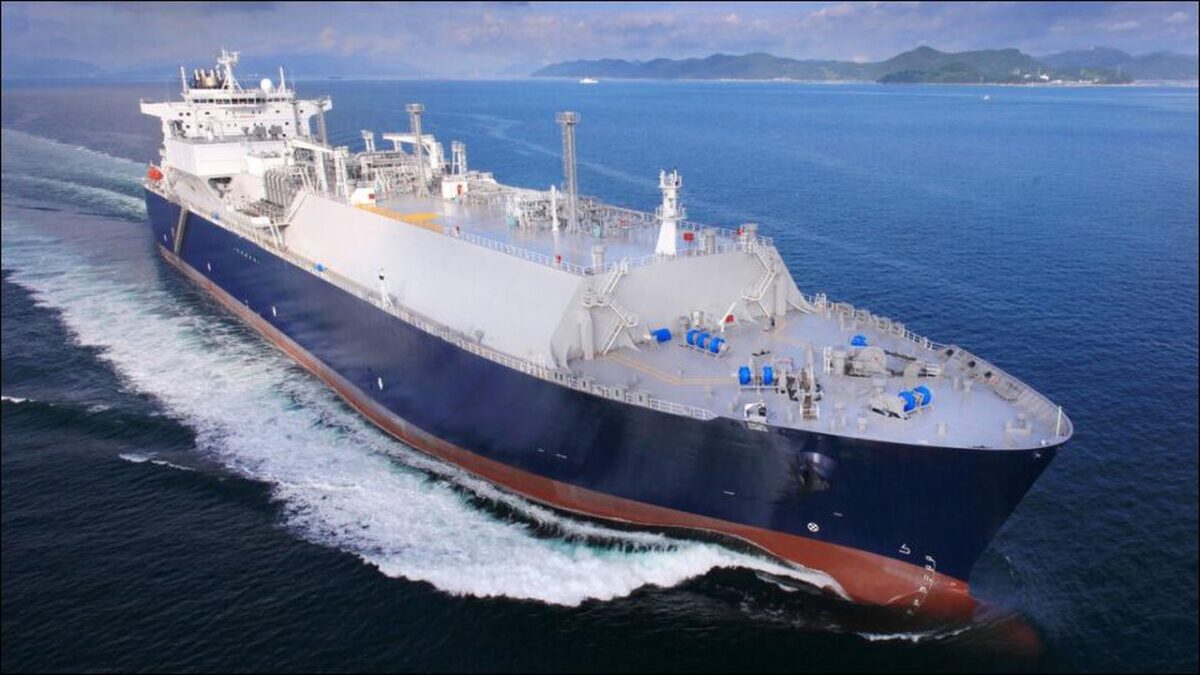
The collaboration between Samsung Heavy Industries and Sargent & Lundy is a classic example of synergy, where the combined strengths of two industry giants promise to yield results far greater than the sum of their individual parts. Samsung Heavy Industries brings to the table its formidable engineering, procurement, and construction (EPC) capabilities for offshore plants. With decades of experience in designing, building, and delivering complex marine structures, including vast oil and gas platforms, drillships, and specialized vessels, Samsung Heavy possesses the unparalleled expertise required to construct robust and reliable floating nuclear platforms. Their proficiency in large-scale fabrication, integration, and project management in challenging marine environments is invaluable for the successful realization of FSMR projects.
Complementing this maritime and construction prowess is Sargent & Lundy’s deep and extensive expertise in nuclear design and engineering. As a leading professional services firm with a long history in the power industry, particularly within the nuclear sector, Sargent & Lundy offers a wealth of knowledge in reactor design, safety analysis, licensing support, and plant optimization. Their understanding of regulatory requirements, advanced nuclear technologies, and intricate system integrations is critical for developing safe, efficient, and compliant FSMR solutions. This specialized nuclear engineering acumen ensures that the reactors themselves are state-of-the-art and meet the highest international standards.
The strategic alignment of these two distinct yet complementary skill sets creates a powerful force for innovation. Samsung Heavy’s ability to build the floating infrastructure seamlessly merges with Sargent & Lundy’s capability to design and integrate the nuclear power generation components. This holistic approach significantly streamlines the development process, from conceptual design to final deployment. The partnership not only accelerates the technical realization of FSMRs but also strengthens Samsung Heavy’s competitive standing in the critical U.S. market and globally, solidifying its role as a key player in the clean energy transition by offering comprehensive marine nuclear solutions.
Pioneering Sustainable Energy for Global Markets
The development of Floating Small Modular Reactors (FSMRs) by this strategic alliance holds immense promise for pioneering sustainable energy solutions across global markets. As nations worldwide grapple with the dual challenges of increasing energy demand and the urgent need to mitigate climate change, FSMRs offer a compelling answer. Their ability to deliver a consistent, high-density power supply without emitting greenhouse gases positions them as a cornerstone technology for achieving ambitious decarbonization targets. This clean energy generation capability is crucial for industries and communities striving for a reduced carbon footprint, ensuring a greener future.
FSMRs are particularly well-suited for diverse applications, addressing various energy needs that conventional power sources might struggle to meet efficiently. Imagine remote coastal communities, currently reliant on expensive and polluting diesel generators, gaining access to reliable, emission-free electricity. Consider industrial complexes, such as desalination plants or large manufacturing facilities, requiring a stable and substantial power source. FSMRs can also serve as critical energy hubs for offshore operations, powering oil and gas platforms during their operational phase, or even providing electricity for deep-sea mining endeavors, thereby reducing their environmental impact.
Beyond their operational versatility, FSMRs present significant economic benefits and opportunities for job creation. The standardization of their design and construction processes will lead to economies of scale, making nuclear power more cost-effective and accessible. The entire lifecycle, from design and manufacturing to deployment and maintenance, will stimulate new industries and create a wide array of skilled jobs in engineering, fabrication, logistics, and nuclear operations. This comprehensive impact underscores the potential of FSMRs to not only transform energy landscapes but also to foster economic growth and stability in regions embracing this innovative nuclear technology.
Navigating the Path to Widespread FSMR Adoption
While the promise of Floating Small Modular Reactors (FSMRs) is substantial, their widespread adoption will necessitate navigating a complex landscape of challenges and opportunities. One of the primary hurdles lies in establishing robust regulatory frameworks tailored specifically for offshore nuclear installations. International cooperation and the harmonization of safety standards will be crucial to ensure global acceptance and smooth deployment. Public perception also plays a vital role; fostering trust and educating communities about the safety and environmental benefits of advanced nuclear technology will be paramount to overcoming historical anxieties associated with nuclear power. Addressing these concerns proactively is essential for successful market penetration and the long-term viability of FSMRs.
Despite these challenges, the opportunities for FSMRs are immense, particularly in the context of increasing energy insecurity and the global push for renewable energy. Their compact footprint and factory-built modularity enable faster construction times and reduce on-site risks, differentiating them from large, complex conventional nuclear plants. The ability to relocate or redeploy these floating power stations offers unprecedented flexibility in responding to evolving energy demands or disaster relief scenarios, providing critical power infrastructure where it’s most needed, often quickly and efficiently.
This partnership between Samsung Heavy Industries and Sargent & Lundy is a significant step towards addressing these complexities by integrating world-class expertise. Their combined technical prowess and commitment to innovation are key to developing a scalable and regulatory-compliant FSMR solution. As research and development continue, the focus will remain on refining safety features, optimizing operational efficiency, and demonstrating the economic viability of these offshore nuclear platforms. The long-term vision is clear: to establish FSMRs as a foundational element of future global energy infrastructure, driving the transition to a clean, reliable, and sustainable power supply for generations to come.
Charting a Sustainable Course for Offshore Power
The alliance between Samsung Heavy Industries and Sargent & Lundy represents a pivotal moment in the global energy transition, specifically in the realm of offshore power generation. Their concerted efforts in developing Floating Small Modular Reactors (FSMRs) are not merely about constructing advanced nuclear platforms; they are about charting a sustainable course for how humanity meets its future energy needs. This collaboration signifies a bold step towards an era where clean, reliable, and flexible nuclear power can be deployed with unprecedented efficiency, greatly contributing to global decarbonization targets and enhancing energy security worldwide.
The ability of FSMRs to provide consistent, carbon-free electricity, coupled with their modularity and versatility, positions them as a transformative technology. They offer a compelling alternative to fossil fuels, particularly in regions that are difficult to reach or lack extensive grid infrastructure. By embracing these innovative nuclear solutions, industries and governments can significantly reduce their environmental footprint while simultaneously ensuring a stable and abundant power supply for economic growth and societal well-being.
As this groundbreaking partnership progresses, the world will watch with keen interest to see how Samsung Heavy Industries’ offshore plant expertise and Sargent & Lundy’s nuclear engineering acumen converge to bring FSMRs to commercial reality. This development promises not only to reshape the shipbuilding and energy sectors but also to accelerate the global transition towards a more sustainable and resilient energy future, marking a significant milestone in our collective journey towards a cleaner planet.