Peninsula Boosts Fleet Efficiency, Cuts Bunker Use | Mariner News
In a strategic move reflecting the global shipping industry’s intensifying focus on decarbonization, Peninsula, a prominent global bunker supplier, is rigorously assessing a comprehensive suite of fleet efficiency measures to significantly cut bunker use across its operations. This proactive approach underscores the maritime sector’s commitment to finding practical and impactful ways to reduce fuel consumption and environmental footprints. As the shipping world navigates increasingly stringent environmental regulations and mounting pressures for greener operations, Peninsula’s initiative sets a precedent for how established players are adapting and innovating.
Peninsula’s endeavor is not merely about compliance; it’s a fundamental re-evaluation of operational practices aimed at achieving tangible improvements in fuel economy and emission reduction. The company is systematically evaluating a diverse range of energy-efficiency technologies and methodologies. This includes time-tested practices such as thorough hull cleaning to reduce hydrodynamic drag, alongside more advanced solutions like sophisticated oil purification systems designed to enhance engine performance and prolong component life. Furthermore, improvements in fuel injection systems are being scrutinized for their potential to optimize combustion efficiency, directly translating into lower fuel consumption per nautical mile.
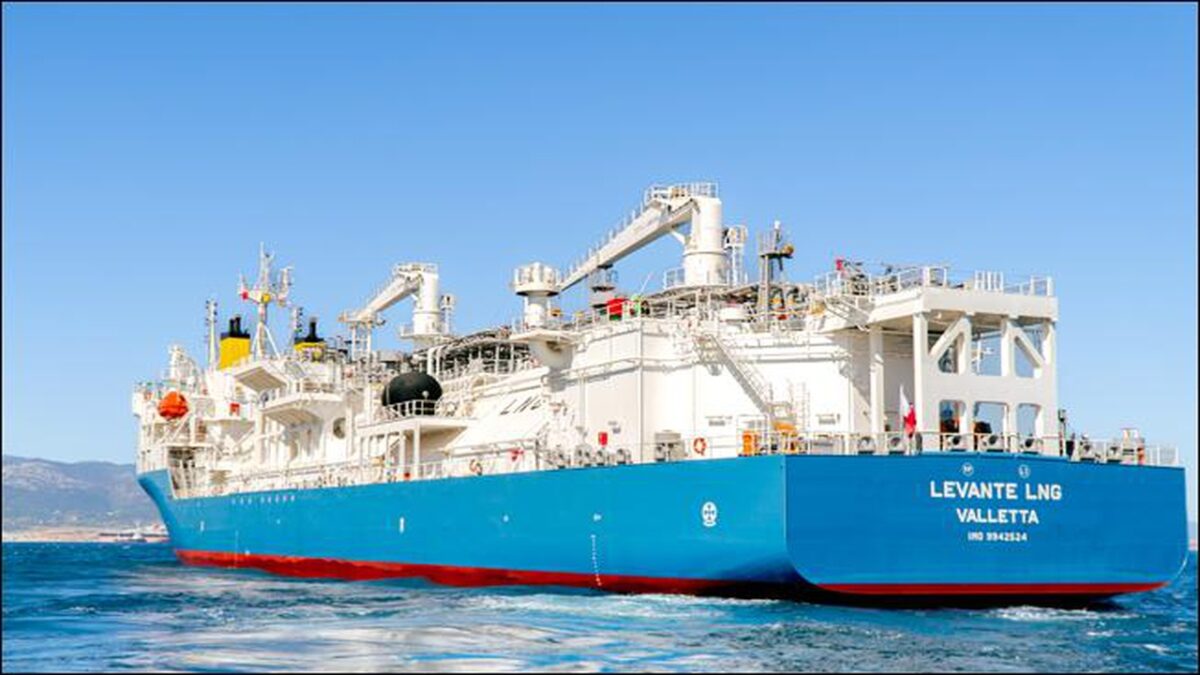
Beyond mechanical enhancements, Peninsula is also delving into the digital realm, exploring state-of-the-art voyage optimisation tools. These sophisticated systems leverage real-time data on weather conditions, currents, and vessel performance to chart the most fuel-efficient routes, thereby minimizing transit times and fuel burn. Additionally, with the company operating an LNG bunkering vessel, Levante LNG, there’s a particular emphasis on identifying and implementing LNG efficiency enhancements. This dual focus on traditional and advanced techniques highlights a holistic strategy to bolster fleet performance and reduce operational expenses.
The Imperative of Maritime Decarbonization and Fleet Efficiency
The maritime industry faces an unprecedented challenge: significantly reducing its greenhouse gas emissions. International regulations, such as those set by the IMO, mandate substantial cuts in carbon intensity, pushing shipping companies to adopt more sustainable practices. This global drive for decarbonization makes improving fleet efficiency not just an environmental imperative but also an economic necessity. Companies like Peninsula are at the forefront of this transformation, understanding that investing in fuel-saving technologies and operational excellence is key to long-term viability and competitive advantage. The pressure to reduce carbon footprints and enhance air quality is compelling the sector to embrace innovation with urgency.
Reducing fuel consumption directly translates into lower operational costs, a crucial factor in a highly competitive market. Every liter of bunker fuel saved contributes to both financial resilience and environmental stewardship. The assessment of various energy-efficiency measures, therefore, is a strategic investment in the future, safeguarding against volatile fuel prices and future carbon taxes. Peninsula’s initiative reflects a broader industry trend where sustainability is increasingly integrated into core business strategies, moving beyond mere compliance to genuine environmental leadership. The benefits extend beyond the immediate operational savings, improving corporate reputation and attracting environmentally conscious clients and investors.
Comprehensive Strategies for Reducing Bunker Fuel Use
Peninsula’s evaluation encompasses a wide array of practical measures designed to achieve significant reductions in bunker fuel consumption. One of the foundational elements is the rigorous assessment of hull cleaning regimes. A clean hull, free from biofouling, dramatically reduces drag, allowing vessels to move through water with less resistance, thereby requiring less power and subsequently, less fuel. Regular and effective hull maintenance programs are crucial for maintaining optimal vessel performance and realizing these critical fuel savings. This simple yet highly effective measure can yield substantial benefits over a vessel’s operational life.
Furthermore, the company is analyzing advanced oil purification systems and fuel injection improvements. These technologies play a pivotal role in optimizing engine performance. Cleaner lubricating oils reduce friction and wear within engine components, while enhanced fuel injection ensures more complete combustion, maximizing the energy extracted from every drop of fuel. Such internal engine optimizations are essential for improving the overall fuel economy of the fleet, especially for older vessels where efficiency gains can be particularly pronounced. The integration of such systems can lead to a sustained reduction in fuel consumption, contributing significantly to a greener operational profile.
Leveraging Advanced Technologies for Enhanced Sustainability
In its quest for superior fleet efficiency, Peninsula is not shying away from cutting-edge technologies. The company is actively exploring the potential of wind propulsion systems, such as rigid sails, particularly for larger vessels. While seemingly a return to ancient methods, modern wind-assist technologies are highly sophisticated, leveraging aerodynamic principles to harness wind power and significantly reduce reliance on conventional engines. These systems represent a tangible step towards zero-emission shipping, offering a sustainable pathway to reduce bunker fuel dependency and lower shipping emissions over the long term. Their deployment can be a game-changer for vessel operating costs and environmental impact.
Another critical area under review is the enhancement of LNG efficiency. As a major player in LNG bunkering, Peninsula recognizes the importance of optimizing the performance of gas-powered vessels. This includes evaluating specific operational protocols and technological upgrades designed to maximize the energy efficiency of LNG fuel, ensuring that the environmental benefits of using cleaner-burning natural gas are fully realized. Innovations in LNG storage, regasification, and engine operation are all part of this comprehensive assessment, aiming to make LNG-fueled voyages as efficient as possible. This commitment to LNG optimization aligns with the broader industry trend towards cleaner fuels.
Optimizing Operations Through Data and Planning
Improving fuel-consumption monitoring stands as a key focus, particularly for older vessels that often lack detailed sensor systems. Modern data acquisition and analytics platforms can provide invaluable insights into vessel performance, identifying inefficiencies and informing better operational decisions. Implementing upgraded monitoring systems allows for real-time tracking of fuel burn rates, engine performance, and other critical parameters, empowering crews and onshore teams to make data-driven adjustments that optimize energy use. This proactive approach to fuel management is vital for continuous improvement and achieving consistent fuel savings across the diverse fleet.
Peninsula also highlights the significant impact of intelligent voyage optimisation tools, including sophisticated weather routing and voyage planning systems. These tools go beyond simple shortest-distance calculations, factoring in forecasted weather, currents, tides, and potential port congestion to recommend routes that minimize fuel burn. By avoiding adverse weather conditions and reducing unnecessary vessel movements or waiting times, these technologies can deliver substantial bunker fuel savings, potentially ranging from 5-15% depending on vessel type and operating conditions. Maria Angeles Lopez, decarbonisation manager at Peninsula, aptly states, “Our approach is to assess a range of options and identify where they can make a practical difference across our operations.” This emphasizes a results-oriented strategy.
Realizing the Benefits: Economic Savings and Environmental Stewardship
The combined impact of these measures is expected to yield significant environmental and economic benefits. Reduced bunker fuel consumption directly translates into lower operating costs, offering a crucial competitive edge in a volatile market. Furthermore, cutting fuel use means a proportional reduction in greenhouse gas emissions and other harmful pollutants, contributing to cleaner air and a healthier marine environment. This aligns Peninsula with global efforts to combat climate change and promotes a more sustainable shipping industry. The ripple effect of such initiatives extends to the entire supply chain, influencing partners and clients to adopt similar eco-friendly practices.
Peninsula’s commitment to these fleet efficiency measures is a clear demonstration of its leadership in sustainable maritime operations. By embracing both proven and innovative technologies, the company is not only meeting regulatory demands but also proactively shaping a more environmentally responsible future for global shipping. The ongoing assessment and implementation of these strategies position Peninsula as a key player in the industry’s transition towards decarbonization and highlight its dedication to operational excellence and environmental stewardship. This forward-thinking approach is critical for the resilience and growth of the maritime sector.
Peninsula’s Vision for a Greener Maritime Future
Peninsula’s comprehensive assessment of fleet efficiency measures is more than just a series of technical upgrades; it represents a strategic vision for a greener and more economically robust maritime future. By meticulously evaluating everything from hull cleaning and fuel injection systems to advanced wind propulsion and digital voyage optimization, the company is setting a high standard for sustainable shipping practices. The practical and data-driven approach, underscored by Maria Angeles Lopez’s statement, ensures that implemented solutions deliver tangible reductions in bunker fuel consumption and associated emissions. This commitment to innovation and practical application positions Peninsula as a leader in the global shipping industry’s decarbonization journey. As the sector continues to evolve, the insights and successes gleaned from such initiatives will be instrumental in shaping the next generation of maritime operations, emphasizing a balance between commercial viability and environmental responsibility. The continuous pursuit of operational efficiencies and sustainable solutions underscores a vital pathway for the entire maritime community.