ONCF and Maersk to integrate Moroccan rail and container logistics

Maersk and Morocco's national rail operator ONCF sign MoU to boost container rail transport and supply chain efficiency in the region.
The Office National des Chemins de Fer (ONCF) and Maersk have signed a memorandum of understanding to jointly develop rail transport and integrated logistics solutions across Morocco. The partnership aims to shift more containerized cargo onto the national rail network to support rising import and export volumes.
Maersk stated the collaboration will combine ONCF’s rail infrastructure with the carrier’s global logistics capabilities. The initiative focuses on improving connectivity between Morocco’s primary ports and its industrial zones, while also targeting lower-emission inland transport solutions.
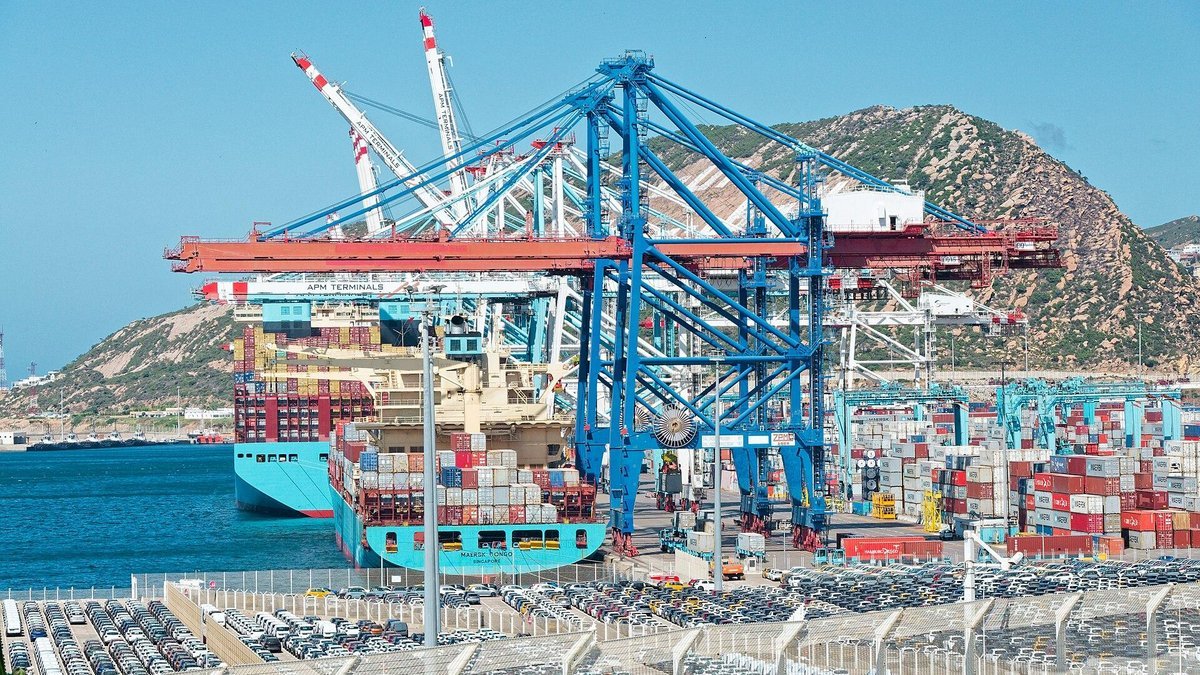
Morocco’s logistics profile has grown alongside its economy, which the World Bank estimates expanded by 4.9% in 2025 with a projected 4.4% growth for 2026. Tanger Med, where APM Terminals operates two container facilities, handled 11.1 million TEU in 2025, an 8.4% increase year-on-year.
Why it matters
For container lines and cargo owners, the move signals a shift toward inland efficiency as a primary competitive advantage in North Africa. By integrating rail directly into the port-to-hinterland link, Maersk is attempting to bypass the road congestion that often plagues high-growth manufacturing hubs, such as those in the automotive and aerospace sectors.
The focus on rail-based inland logistics also provides a hedge against future carbon-related regulatory costs. As Morocco strengthens its position as a gateway between Europe, Africa, and the Middle East, the ability to offer a lower-emission supply chain becomes a distinct commercial differentiator for Maersk’s integrated service offerings.
For terminal operators and port authorities, this partnership confirms that port capacity alone is no longer the sole metric for success. The value of Tanger Med’s 11.1 million TEU throughput is increasingly tied to the velocity of the rail network connected to it. If the partnership succeeds in shifting significant volumes from road to rail, it will likely set a precedent for how other major maritime hubs in the region manage the pressure of rising container flows.
What to watch
The partners have yet to announce specific infrastructure projects or timelines for the implementation of new rail services. Future updates will likely clarify which industrial regions are prioritized for rail connectivity and whether this model will be extended to other port complexes in the country.