

Norway targets 2032 for first nuclear-powered offshore supply vessel
The MarNuPS project aims to deploy a nuclear-powered OSV by 2032, using a leasing model to shift reactor risks away from shipowners.
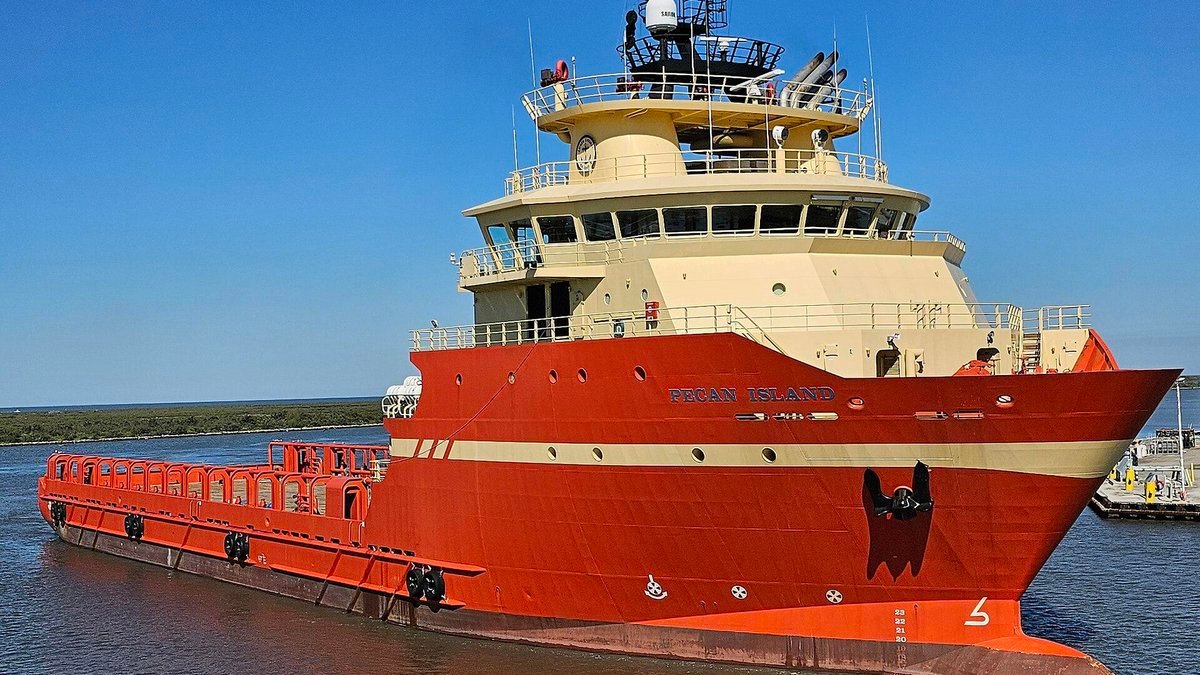
Norway is moving maritime nuclear power from the lab to the shipyard, with a $15.6 million pilot project aiming to put a nuclear-powered offshore supply vessel (OSV) on the water by 2032. This timeline sets a concrete deadline for the industry to move beyond feasibility studies into the physical integration of reactors on commercial hulls.
The Marine Nuclear Propulsion System (MarNuPS) project begins its first phase in 2027 with a land-based test facility at Stette, Norway. Emerald Nuclear Norway leads the consortium, which includes ship operator Island Offshore and designer VARD. The project recently secured a $2 million grant from the Research Council of Norway to supplement private funding for the $15.6 million first stage.
The system uses a gas-cooled nuclear reactor with a supercritical CO2 gas turbine. Initial testing will use electricity to heat the reactor to simulate operations before moving to active nuclear fuel. Emerald Nuclear plans to use its GEM Microreactor and proposes a leasing model where it retains ownership and operational responsibility for the reactor while the shipowner pays for power.
Why it matters
The leasing model is the defining commercial feature for shipowners and insurers. By keeping the reactor ownership and the fuel cycle under Emerald Nuclear’s control, the project attempts to remove the primary barrier to nuclear adoption: the specialized technical and regulatory burden of managing radioactive material. Island Offshore and future adopters would effectively treat the reactor as a utility rather than a complex asset they must maintain.
This shift likely changes the insurance profile for the vessel. Insurers will need to distinguish between the hull and the proprietary power unit, potentially simplifying the underwriting process for the shipowner. For charterers, the 2032 deployment goal offers a potential long-term hedge against emissions regulations, provided the power-as-a-service rates remain competitive with traditional fuels.
What to watch
The establishment of the Stette test facility in 2027 is the next major milestone to prove the system’s ability to handle the rapid power demand changes and stress conditions typical of OSV operations.
Source: The Maritime Executive