Norsepower & CHIC Expand Rotor Sail Tech for Shipping | Mariner News
The global maritime industry is on the cusp of a profound transformation, driven by an urgent need for decarbonization and enhanced operational efficiency. At the forefront of this green revolution, pioneering companies are forging strategic alliances to accelerate the development and adoption of cutting-edge technologies. A prime example of this forward-thinking collaboration is the expanded partnership between Norsepower, a leading provider of auxiliary wind propulsion systems, and Cosco Shipping Heavy Industry Equipment (CHIC). This enhanced alliance is set to significantly advance Rotor Sail technology, a pivotal innovation for sustainable shipping, marking a crucial step towards a more eco-friendly future for the global fleet.
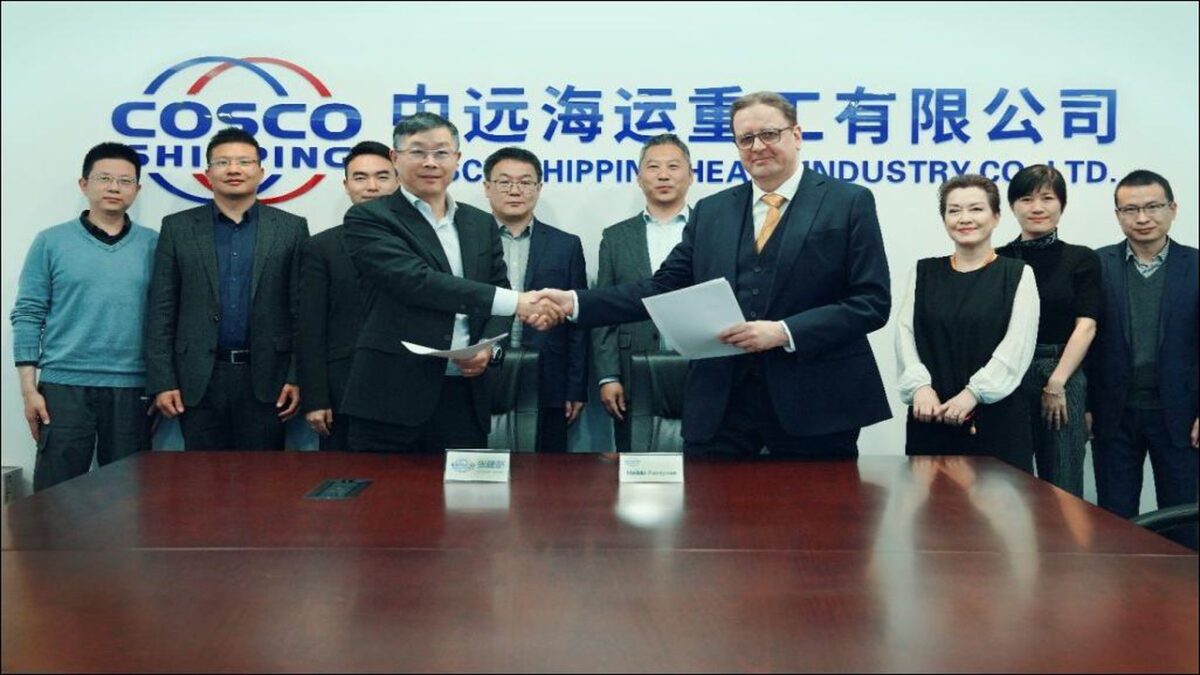
Norsepower and CHIC’s strengthened collaboration transcends a simple commercial agreement; it embodies a shared commitment to innovation and environmental stewardship within the maritime sector. Building upon an earlier cooperation framework established this year, which covered the production, sales, installation, and servicing of Norsepower’s innovative Rotor Sails, the partners have now signed a dedicated Research and Development (R&D) agreement. This R&D pact is specifically designed to develop next-generation wind propulsion technology for shipping, focusing on continuous improvement and the optimization of key components. The move underscores the growing confidence in wind-assisted propulsion as a viable and effective solution for reducing the carbon footprint of marine vessels, propelling the industry towards its ambitious emissions reduction targets.
The Strategic Alliance Driving Wind Propulsion Innovation
The synergy between Norsepower’s unparalleled expertise in modern wind propulsion technology and CHIC’s extensive engineering and manufacturing capabilities forms the bedrock of this strategic partnership. Norsepower has long been recognized as a trailblazer in the field, consistently refining its Flettner rotor technology to deliver robust, reliable, and highly efficient Rotor Sail systems. These tall, spinning cylinders utilize the Magnus effect to generate propulsive thrust, significantly reducing fuel consumption and associated greenhouse gas emissions. CHIC, as a major player in heavy industry equipment and maritime manufacturing, brings a wealth of experience in large-scale production, supply chain management, and complex maritime installations, essential for the widespread adoption of such sophisticated technologies.
The initial cooperation framework between the two entities laid a strong foundation, addressing the practical aspects of bringing Rotor Sail technology to a broader market. By encompassing production, sales, installation, and servicing, the partnership effectively created an end-to-end solution for shipping companies looking to integrate wind assist into their operations. This comprehensive approach minimizes the complexities for vessel operators, offering a seamless transition to more sustainable maritime practices. The current R&D agreement represents an evolution of this partnership, shifting focus towards pushing the boundaries of what Rotor Sail technology can achieve, ensuring that future iterations are even more efficient, cost-effective, and adaptable to various vessel types and operational profiles.
Advancing Next-Generation Rotor Sail Technology
The core objective of the new R&D partnership is to refine and optimize key Rotor Sail components, with a meticulous focus on improving design, manufacturability, installation efficiency, and overall operational performance. This includes exploring advanced materials, optimizing aerodynamic profiles, enhancing control systems, and developing more streamlined manufacturing processes. The goal is not merely incremental improvement but rather a transformative leap that will make wind propulsion an even more attractive and indispensable technology for the global shipping fleet. By streamlining manufacturing and installation, the partners aim to reduce the capital expenditure and downtime associated with integrating Rotor Sails, thereby accelerating their market penetration.
Heikki Pöntynen, CEO of Norsepower, emphasized the critical role of innovation in this rapidly expanding market. He stated, “The market for wind propulsion continues to grow rapidly, and innovation remains essential to ensuring we deliver the highest levels of performance, reliability and value to our customers.” This sentiment highlights the competitive landscape and the continuous need to stay ahead through technological advancements. The expanded collaboration with CHIC is expected to be instrumental in supporting the large-scale adoption of wind propulsion technology, providing the necessary industrial muscle to meet escalating demand. This joint effort is poised to set new industry benchmarks for efficiency and technological sophistication in the field of maritime wind assist.
Accelerating Decarbonization in Global Shipping
The immediate and most significant impact of advancing Rotor Sail technology is its contribution to shipping decarbonization. As the maritime industry faces increasing pressure from international regulations, such as the International Maritime Organization’s (IMO) ambitious targets for reducing greenhouse gas emissions by 2030 and ultimately achieving net-zero by 2050, proven solutions like wind propulsion are becoming indispensable. Rotor Sails offer a tangible pathway to achieving significant fuel savings and emissions reductions, making them a crucial tool in the industry’s arsenal against climate change. Vessels equipped with these systems can achieve substantial reductions in fuel consumption, translating directly into lower operational costs and a reduced carbon footprint.
The benefits extend beyond CO2 emissions, impacting other harmful pollutants such as Nitrogen Oxides (NOx) and Sulfur Oxides (SOx), which are also linked to air quality issues and acid rain. By harnessing the free and abundant power of wind, ships can lessen their reliance on fossil fuels, leading to cleaner operations and a healthier marine environment. This makes Rotor Sail technology a powerful enabler for vessels to comply with increasingly stringent environmental regulations and to enhance their corporate social responsibility profiles. The push for green shipping is not just a regulatory obligation but also a market differentiator, with charterers and consumers increasingly favoring environmentally conscious logistics providers.
A Future Powered by Sustainable Maritime Solutions
The partnership between Norsepower and CHIC is a beacon of progress for the maritime sector’s energy transition. It represents a proactive and collaborative approach to addressing one of the most pressing challenges of our time: climate change. By combining Norsepower’s pioneering spirit and technological prowess with CHIC’s robust engineering and manufacturing capabilities, the alliance is accelerating the deployment of fuel-saving, emissions-reducing technologies across the global shipping industry. This collaborative model is likely to inspire other partnerships, fostering an ecosystem of innovation that drives the development of diverse sustainable maritime solutions, including advanced biofuels, hydrogen, ammonia, and electric propulsion.
Looking ahead, the widespread integration of Rotor Sail technology, alongside other clean energy solutions, will redefine the operational landscape of maritime logistics. It will lead to a fleet that is not only more fuel-efficient and environmentally compliant but also more resilient to volatile fuel prices and future regulatory shifts. The commitment from industry leaders like Norsepower and CHIC to continuous R&D ensures that wind propulsion remains a dynamic and evolving technology, constantly adapting to meet the future demands of the shipping world. Their collaborative efforts are not just about building better sails; they are about charting a course towards a truly sustainable and prosperous future for global shipping, ensuring cleaner oceans and a healthier planet for generations to come. The future of maritime transport will undoubtedly be powered by innovative, sustainable solutions, and Rotor Sail technology is poised to play a leading role in this green transformation.