Navios Partners Takes Delivery of LNG/Methanol Boxship | Mariner News
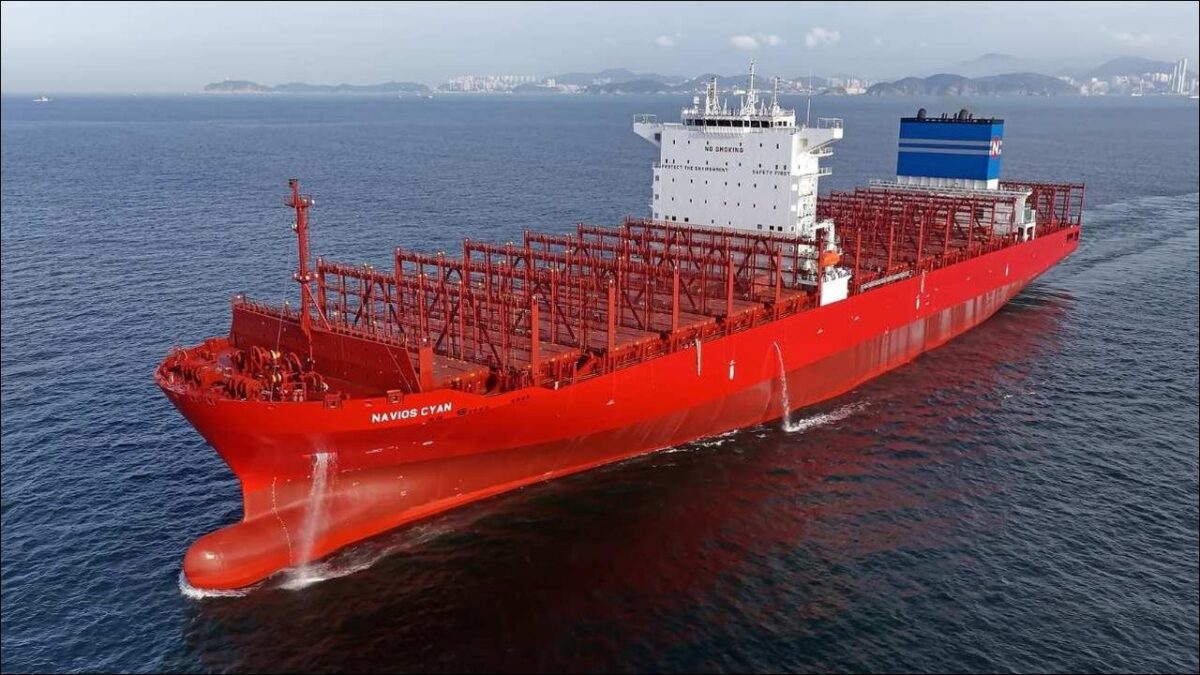
In a significant stride towards future-proofing its operations and bolstering its commitment to environmental stewardship, Navios Maritime Partners has officially announced the successful delivery of its cutting-edge LNG/Methanol-Ready Boxship, the Navios Cyan. This strategic acquisition marks a pivotal moment for the global shipping giant, reinforcing its position at the forefront of sustainable maritime transport innovation. The arrival of this advanced container ship, designed with the flexibility to adapt to cleaner alternative fuels, underscores Navios Partners’ proactive approach to navigating the evolving landscape of marine decarbonization and stringent environmental regulations. As the shipping industry grapples with the imperative to reduce its carbon footprint, investments in eco-friendly vessels like the Navios Cyan are not merely upgrades; they represent a fundamental shift towards a more sustainable and resilient global supply chain. This development not only enhances Navios Partners’ operational capabilities but also sets a new benchmark for environmentally conscious fleet management in the competitive world of maritime logistics.
A New Era for Navios Partners’ Fleet: The Navios Cyan
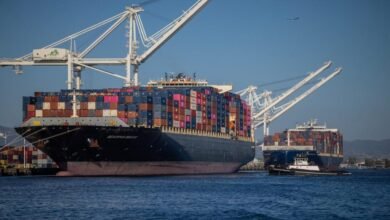
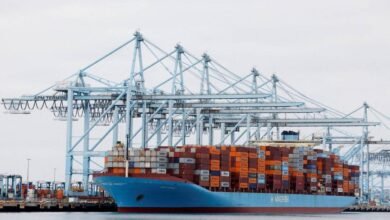
The freshly delivered vessel, christened Navios Cyan, is a formidable 7,900 TEU (Twenty-foot Equivalent Unit) container ship, representing the inaugural unit in an ambitious four-ship series commissioned by Navios Maritime Partners. This substantial capacity ensures that the Navios Cyan will play a crucial role in facilitating global trade routes, handling a vast volume of cargo with efficiency and reliability. What truly distinguishes the Navios Cyan, however, is its forward-thinking design: it is explicitly built with conversion capabilities for both Liquefied Natural Gas (LNG) and methanol propulsion. This “dual-fuel ready” notation signifies a strategic hedge against future fuel uncertainties and a clear commitment to leveraging cleaner energy sources as they become more readily available and economically viable within the bunkering infrastructure.
Beyond its future fuel readiness, the Navios Cyan is also equipped with advanced scrubber systems. These state-of-the-art exhaust gas cleaning systems are designed to remove sulfur oxides (SOx) from the vessel’s engine exhaust, ensuring compliance with the IMO 2020 sulfur cap and other stringent emission standards. The integration of both future-fuel compatibility and immediate emission reduction technologies demonstrates a comprehensive approach to environmental compliance and operational excellence. This dual strategy allows Navios Partners to operate responsibly in the present while simultaneously preparing its fleet for the ultimate transition to net-zero emissions, showcasing a significant investment in eco-friendly vessels.
The introduction of the Navios Cyan expands Navios Partners’ impressive fleet, which, according to its official website, encompasses a diverse portfolio of 173 vessels. This considerable fleet size provides the company with substantial operational flexibility and market reach across various segments of the shipping industry. The addition of cutting-edge container ships like the Navios Cyan not only modernizes its existing assets but also reinforces its capacity to serve growing demand for global cargo transport with a focus on reliability and, increasingly, sustainability. This proactive fleet renewal and expansion strategy is fundamental to maintaining a competitive edge and meeting the evolving demands of both clients and regulators worldwide.
Paving the Way for Sustainable Maritime Transport
The trend of commissioning vessels with “methanol-ready” or “LNG-ready” notations has gained significant momentum across the global shipping industry. This proactive approach reflects a collective recognition among shipowners that the transition to cleaner marine fuels is no longer an optional endeavor but an imperative for long-term viability and responsible operations. While many of these ships are delivered with the capability for future conversion, the actual switch to operating on alternative fuels like methanol or LNG often awaits further development in bunkering infrastructure, regulatory frameworks, and the broader availability of these fuels at competitive prices. Nevertheless, having a “ready” vessel significantly reduces the lead time and cost associated with future conversions, making the decarbonization pathway smoother and more predictable.
Alternative fuels such as LNG and methanol offer compelling advantages over traditional heavy fuel oil (HFO) in terms of environmental impact. LNG, for instance, significantly reduces sulfur oxide (SOx) and particulate matter emissions to virtually zero, while also cutting nitrogen oxide (NOx) emissions by up to 85% and greenhouse gas (GHG) emissions by 20-25% compared to conventional fuels. Methanol, particularly green methanol produced from renewable sources, holds even greater promise as a near-zero emission fuel, offering substantial reductions in carbon dioxide (CO2) and other harmful pollutants. The investment in these types of vessels demonstrates a tangible commitment to minimizing the ecological footprint of maritime transport, aligning with global climate goals and the International Maritime Organization’s (IMO) ambitious targets for decarbonization.
This strategic pivot towards alternative fuel-ready vessels is a direct response to increasing pressure from regulators, investors, and environmentally conscious consumers. As the maritime sector faces heightened scrutiny regarding its contribution to global emissions, shipowners like Navios Partners are investing in technologies and operational strategies that future-proof their assets against evolving environmental mandates. The foresight to equip newbuilds with these capabilities not only ensures compliance but also positions companies as leaders in the transition to a greener economy. This proactive stance is essential for maintaining social license to operate and attracting sustainability-focused partnerships in the future, driving significant emission reduction across their fleet.
Technological Advancements in Eco-Friendly Boxships
The statement from Navios Partners highlighted that the Navios Cyan is “fitted with Alternative Maritime Power and latest state of the art equipment,” a powerful testament to their dedication to leveraging cutting-edge technology for environmental benefits. Alternative Maritime Power (AMP), often referred to as “cold ironing,” allows vessels to connect to shore-side electricity while docked, eliminating the need to run auxiliary engines. This practice dramatically reduces air pollution, including nitrogen oxides, sulfur oxides, particulate matter, and greenhouse gases, in port areas, significantly improving local air quality for coastal communities and port workers. The inclusion of AMP capability on the Navios Cyan signifies a holistic approach to reducing emissions not just at sea, but throughout its operational cycle.
Beyond AMP and scrubber systems, “state-of-the-art equipment” often encompasses a suite of advanced technologies aimed at optimizing operational efficiency and further minimizing environmental impact. This could include sophisticated hull designs that reduce drag, highly efficient main engines, optimized propeller designs, advanced waste heat recovery systems, and digital platforms for real-time performance monitoring and predictive maintenance. Each of these components contributes to lowering fuel consumption, thereby reducing both operational costs and associated emissions. These technological integrations are crucial for achieving the challenging emission reduction targets set by the IMO and national regulatory bodies, pushing the boundaries of what is possible in sustainable vessel design and operation.
Navios Partners’ Strategic Vision and Future Outlook
Navios Partners’ decision to invest in LNG/Methanol-ready container ships is a clear articulation of its strategic vision: to build an environmentally responsible and technologically advanced fleet capable of meeting the demands of tomorrow’s global trade. This forward-looking approach reflects a deep understanding of the maritime industry’s trajectory towards decarbonization and a strong commitment to environmental stewardship. By integrating vessels like the Navios Cyan into its diverse fleet, Navios Partners is not only enhancing its capacity and operational flexibility but also strengthening its reputation as a leader in sustainable shipping solutions. This positions the company advantageously in a market increasingly prioritizing eco-friendly logistics and supply chain resilience.
The delivery of the Navios Cyan, as the first in a series, signals an ongoing commitment to fleet modernization and the adoption of green technologies. This systematic approach to upgrading its assets ensures that Navios Partners remains competitive and relevant in a rapidly evolving industry. The company’s significant fleet size, coupled with strategic investments in vessels that offer fuel flexibility and advanced emission reduction capabilities, allows it to offer highly efficient and compliant services to its clients. This strategic foresight is crucial for navigating market volatility and leveraging opportunities presented by global shifts towards sustainability, ensuring long-term operational efficiency.
Ultimately, Navios Partners’ emphasis on “reducing emissions, building environmentally friendly vessels and taking advantage of the latest technological developments” is more than just a corporate statement; it is a tangible blueprint for sustained growth and positive global impact. By continuously integrating cutting-edge technologies and embracing cleaner fuel pathways, the company is not only securing its own future but also contributing significantly to the broader environmental health of the planet. This commitment reinforces Navios Partners’ role as a responsible corporate citizen within the global shipping community, inspiring further innovation and adoption of green practices across the industry.
Conclusion
The delivery of the LNG/Methanol-Ready Boxship Navios Cyan represents a monumental achievement for Navios Maritime Partners, underscoring its unwavering dedication to pioneering sustainable maritime solutions. This vessel is much more than a new addition to the fleet; it is a powerful symbol of the company’s commitment to environmental responsibility, technological leadership, and preparing for the future of global shipping. As the industry progresses towards a decarbonized future, Navios Partners’ strategic investments in eco-friendly vessels like the Navios Cyan will undoubtedly play a crucial role in shaping cleaner, more efficient, and sustainable global trade routes. This pivotal step solidifies Navios Partners’ position as a key innovator in green shipping. Stay informed on how such advancements are transforming the future of maritime transport.