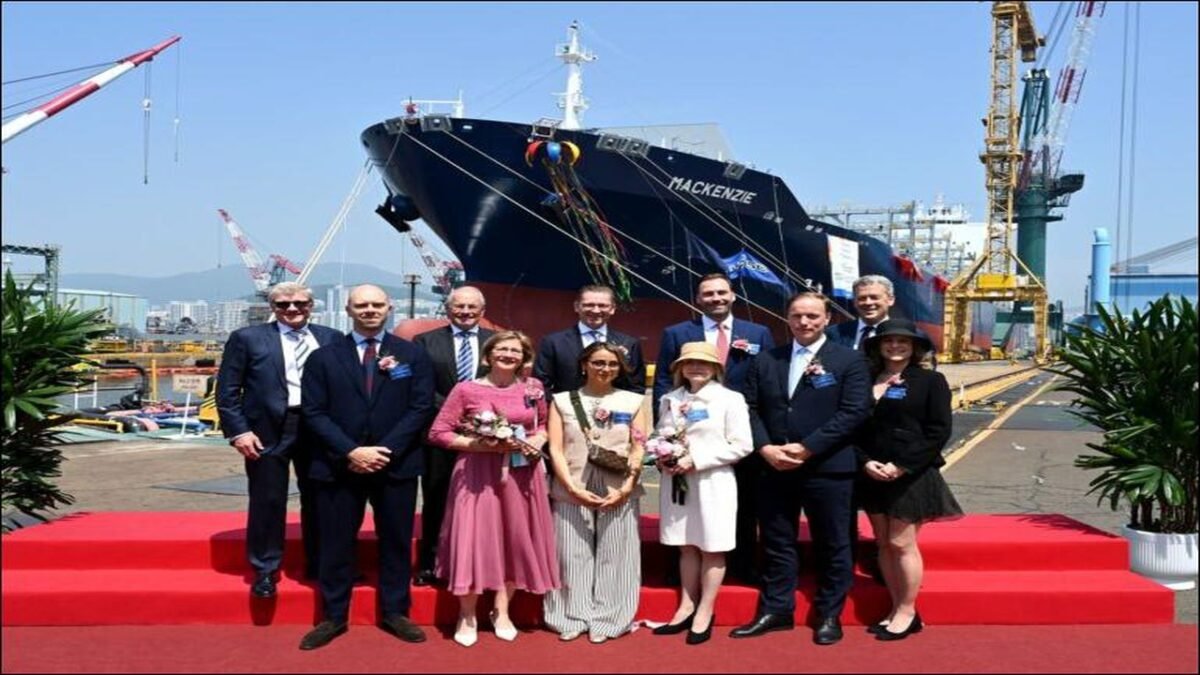
MPC Container Ships Christens Methanol Dual-Fuel Boxship | Mariner News
In a significant stride towards sustainable maritime transport, MPC Container Ships has proudly christened its latest addition, a cutting-edge methanol dual-fuel boxship. This momentous occasion marks a pivotal step in the company’s ambitious journey to decarbonize its fleet and underscores a growing industry-wide commitment to greener shipping solutions. The vessel, named DP World Southampton, is not just another ship; it represents a tangible investment in advanced technology designed to significantly reduce the environmental footprint of global trade. With its innovative propulsion system, this new containership is set to revolutionize operations in Northern Europe, demonstrating the practical application of alternative fuels in high-capacity logistics. The christening highlights a future where economic efficiency and ecological responsibility sail hand-in-hand, pushing the boundaries of what’s possible in modern maritime operations.
A New Era for Green Container Shipping: The Christening of DP World Southampton
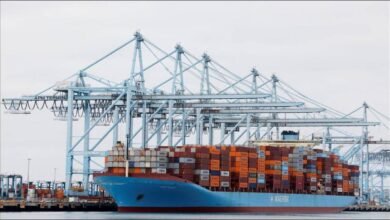
The maritime sector is at a crossroads, facing increasing pressure to reduce its carbon footprint and adopt more environmentally friendly practices. Against this backdrop, the christening of the DP World Southampton by Oslo-based MPC Container Ships is a landmark event. This 1,250 TEU capacity vessel, poised for deployment across Northern Europe, signifies a profound shift in how global trade is conducted. The collaboration with DP World, a leader in global port operations and logistics, further solidifies the strategic importance of this new containership.
This new boxship is not merely an addition to MPC Container Ships’ robust fleet; it is a declaration of intent. With its impressive capacity, the DP World Southampton will play a crucial role in enhancing logistical efficiency while concurrently upholding the highest environmental standards. The seven-year time charter with DP World ensures long-term commitment and strategic deployment, demonstrating confidence in the vessel’s capabilities and the future of green shipping solutions within the fiercely competitive Northern European market.
Pioneering Methanol Dual-Fuel Technology: A Commitment to Reduced Emissions
At the heart of the DP World Southampton’s groundbreaking design lies its methanol-capable dual-fuel engine. This advanced propulsion system represents a significant leap forward from conventional heavy fuel oil (HFO) engines, offering a pathway to substantially reduce greenhouse gas emissions. Methanol, as a cleaner-burning alternative fuel, can cut carbon dioxide emissions by up to 15% in its conventional form, and even more dramatically when green methanol is used, aligning with stringent international maritime regulations and industry sustainability goals. The flexibility of a dual-fuel engine also provides operational resilience, allowing the vessel to switch between fuels based on availability and regulatory requirements.
Beyond its innovative engine, the DP World Southampton is also equipped with shore power connectivity. This feature is instrumental in further minimizing emissions while the vessel is docked, by allowing it to plug into a port’s electrical grid rather than running its auxiliary engines on fossil fuels. Such capabilities are crucial for achieving zero-emission operations in port areas, directly contributing to improved air quality in coastal communities and reducing the overall environmental impact of shipping activities. The integration of shore power reflects a holistic approach to sustainable vessel design and operation, addressing emissions at every stage of a ship’s journey.
Strategic Partnerships and Fleet Expansion: MPC Container Ships’ Vision
MPC Container Ships’ dedication to decarbonizing maritime transport is evident in its forward-thinking fleet strategy. The christening of the DP World Southampton follows a year of progressive initiatives, including the charter of another methanol dual-fuel containership to North Sea Container Line. These actions collectively underscore a consistent and aggressive push towards adopting alternative fuels and cleaner technologies across their operations, positioning MPC Container Ships as a vanguard in the sustainable shipping revolution. Such strategic decisions reinforce their role as innovators in the container shipping segment.
Furthermore, the company has placed orders for six additional alternative fuel-ready containerships with China’s Taizhou Sanfu Ship Engineering. This substantial investment signals a clear long-term vision for a greener fleet, ensuring that MPC Container Ships remains at the forefront of environmental compliance and technological advancement. These new vessels, designed with future fuel flexibility in mind, will further enhance the company’s capacity to deliver sustainable logistics solutions globally, demonstrating a proactive stance on global climate challenges and the evolving regulatory landscape for maritime emissions. The strategic collaboration with renowned shipbuilders ensures the integration of cutting-edge technology and robust engineering.
Navigating the Future: Decarbonization in the Maritime Industry
The global maritime industry is under immense pressure to accelerate its decarbonization efforts. International bodies such as the IMO (International Maritime Organization) have set ambitious targets for reducing greenhouse gas emissions from shipping, driving innovation and investment in alternative fuels and energy-efficient technologies. Methanol, alongside other emerging fuels like ammonia and hydrogen, is gaining traction as a viable pathway to achieve these targets, particularly for short-sea and intra-regional trades due to its established infrastructure and relatively simpler handling compared to other novel fuels. The success of vessels like the DP World Southampton serves as a crucial proof of concept.
The transition to alternative fuels is not without its challenges, including infrastructure development, fuel availability, and cost implications. However, the proactive steps taken by companies like MPC Container Ships demonstrate a clear commitment to overcoming these hurdles. By investing in methanol dual-fuel boxships and future-proof vessels, they are not only meeting regulatory requirements but also anticipating market demands for sustainable supply chains. This forward-thinking approach is critical for staying competitive and relevant in an industry rapidly moving towards a low-carbon future. The collective efforts of shipping lines, technology providers, and policymakers are essential to foster a comprehensive ecosystem for sustainable maritime transport.
Economic and Environmental Impact: Shaping Sustainable Maritime Logistics
The deployment of eco-friendly vessels such as the DP World Southampton brings multifaceted benefits. Environmentally, the significant reduction in sulfur oxides (SOx), nitrogen oxides (NOx), and particulate matter directly contributes to cleaner air and healthier marine ecosystems. From an economic perspective, investing in advanced, fuel-efficient containerships can lead to long-term operational cost savings through optimized fuel consumption and potential carbon credits. Furthermore, it enhances the company’s brand image, appealing to environmentally conscious shippers and consumers who prioritize sustainable logistics solutions across their supply chains.
This shift towards climate-friendly tonnage is more than just compliance; it is about creating value and resilience in a rapidly changing world. As global supply chains become increasingly scrutinized for their environmental impact, shipping companies that embrace decarbonization will gain a competitive edge. The operational experience gained from vessels like the DP World Southampton will provide invaluable insights for the broader maritime industry, informing future design, engineering, and policy decisions related to green shipping. MPC Container Ships’ commitment is not just a commercial endeavor but a contribution to a global movement towards a more sustainable planet, setting a precedent for future innovations in sustainable maritime transport and shaping the trajectory of the container segment for decades to come.