

Mitsubishi Shipbuilding wins WinGD approval for ammonia fuel systems
Mitsubishi Shipbuilding secures WinGD approval for ammonia fuel handling, paving the way for integrated control in ammonia-powered vessels.
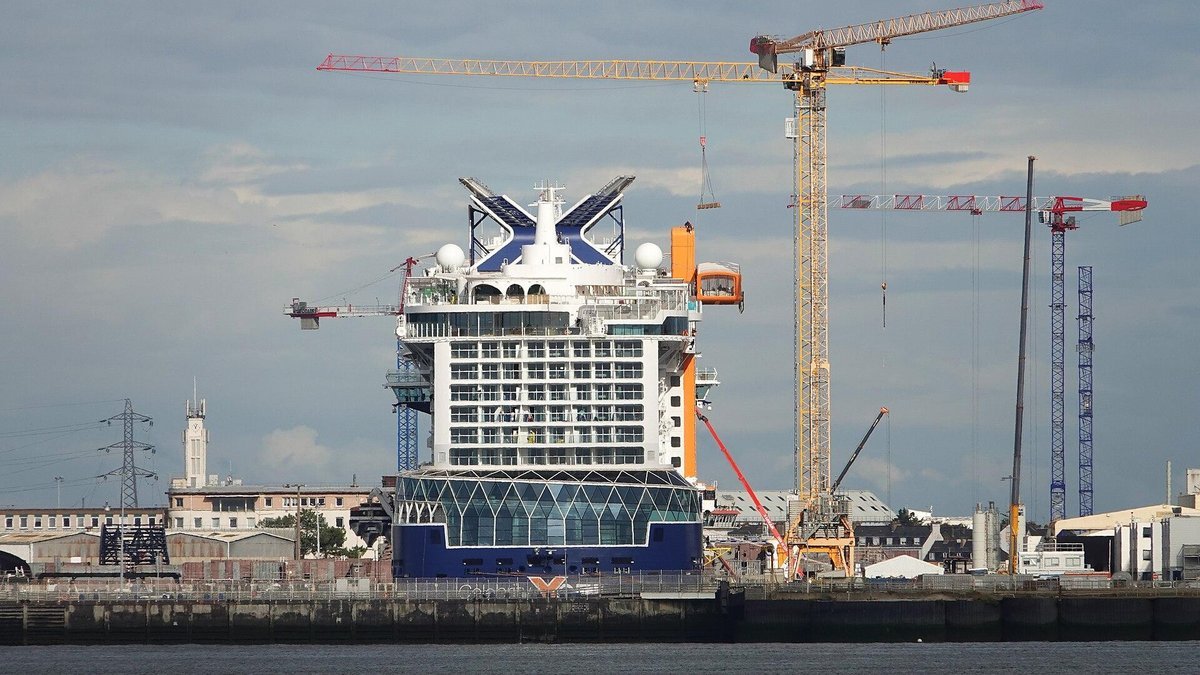
Mitsubishi Shipbuilding has secured the first Japanese supplier pre-approval from engine licensor WinGD for its ammonia fuel handling system, clearing the path for the commercial rollout of critical components for ammonia-powered deep-sea vessels.
The approval covers the Fuel Valve Unit (FVU) and Ammonia Injector Cooling Water System (AICWS), which are essential for WinGD’s X-DF-A ammonia-fuelled large, low-speed two-stroke marine engines. Mitsubishi Shipbuilding confirmed it will now move to market these units to shipyards and owners globally.
The equipment forms part of the MAmmoSS system, which uses a modular design featuring a core package for general use and a customization package tailored to specific engine licensors. Technical consultations between the two companies confirmed Mitsubishi’s manufacturing and quality assurance capabilities for the new fuel technology.
Why it matters
The shift to ammonia fuel introduces significant operational complexity, but Mitsubishi’s approach targets the engine room’s technical burden. While these components are usually managed by separate controllers, the MAmmoSS system integrates them into a central control unit. For seafarers and owners, this means more efficient operations and simplified maintenance compared to fragmented systems.
For shipyards and owners planning fleet renewals, the approval adds a major Japanese manufacturer to the supply chain for WinGD’s ammonia engines. This provides a concrete equipment option for those looking to order ammonia-powered tonnage, moving the technology from the design phase into a commercially available product.
The move also signals that the infrastructure for ammonia propulsion is maturing. By combining core and customization packages, Mitsubishi can build systems for multiple ammonia-fired engines and boilers on a single vessel, offering a more cohesive solution for complex energy transition projects.
What to watch
The next step is the formal market launch of the FVU and AICWS units as Mitsubishi Shipbuilding begins securing orders for specific vessel newbuilding projects.
Source: Manifold Times