

New England and Nova Scotia Launch Cross-Border Offshore Wind Push
Massachusetts leads a regional effort to import Nova Scotia wind power, creating new demand for cross-border maritime and port infrastructure.
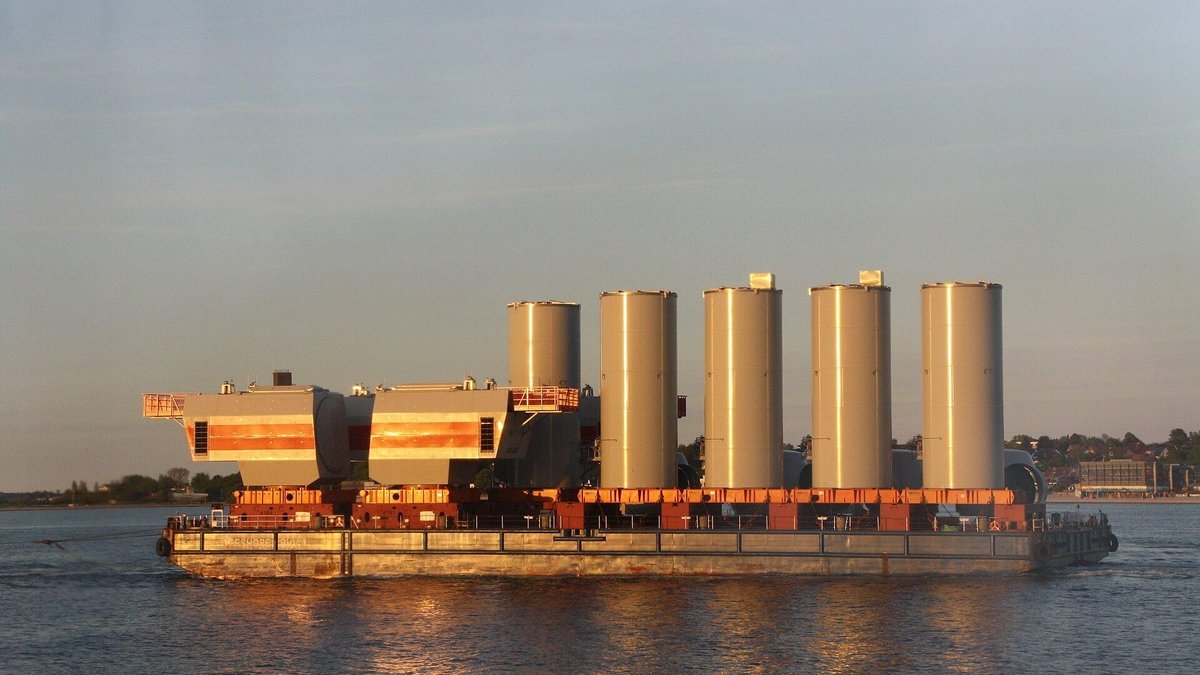
Massachusetts and its New England neighbors are looking to Nova Scotia to solve their power crunch, launching a formal search for offshore wind projects that will require a massive build-out of cross-border maritime infrastructure. This regional pivot signals a shift away from isolated state projects toward a unified Atlantic corridor for energy transmission and supply chain logistics.
Massachusetts Governor Maura Healey and Nova Scotia Premier Tim Houston issued a Request for Information (RFI) to explore developing wind farms in Canadian waters for export to the U.S. Northeast. The RFI, which includes participation from Maine, Connecticut, Rhode Island, and Vermont, seeks input on technical feasibility, transmission pathways, and port capacity. This follows a February Memorandum of Understanding aimed at strengthening regional cooperation on workforce and economic growth.
Canada has already endorsed Nova Scotia’s efforts to develop the country’s first large-scale offshore wind operations. While Massachusetts, Connecticut, and Rhode Island currently hold power deals with two U.S. offshore wind farms, the states are seeking more reliable energy sources to meet growing demand. The RFI invites input from developers, port entities, and utilities to determine the commercial feasibility of these new transmission routes.
Why it matters
This cross-border strategy changes the scale of the offshore wind market in the North Atlantic. For port and terminal operators, the focus on transmission pathways means future demand for specialized berths capable of supporting subsea cable-laying operations and the staging of heavy-lift components. The project moves the industry beyond localized state mandates into an international trade lane for renewable energy.
Vessel owners and supply chain entities face a new regulatory puzzle. While U.S. projects are bound by the Jones Act, this regional interconnection will likely require a mix of U.S. and Canadian-flagged vessels to service a grid that spans international boundaries. The RFI specifically asks for input from port entities and developers to determine if the existing infrastructure can handle the technical requirements of such a large-scale export operation.
By pooling demand across five states, New England is attempting to create the volume necessary to justify the high capital expenditure of offshore transmission. For maritime contractors, this points to a more stable long-term pipeline of work compared to the fragmented state-level procurements that have previously struggled with supply bottlenecks. The success of this move depends on whether the maritime supply chain can scale to meet the needs of two different national jurisdictions simultaneously.
What to watch
Stakeholders have until December 31, 2026, to submit responses, a deadline that will dictate when the first commercial contracts for transmission and port upgrades reach the market.
Source: The Maritime Executive