Maran Tankers Adds Fourth LNG Dual-Fuel Suezmax | Mariner News
Maran Tankers Bolsters Eco-Fleet with Fourth LNG Dual-Fuel Suezmax Delivery
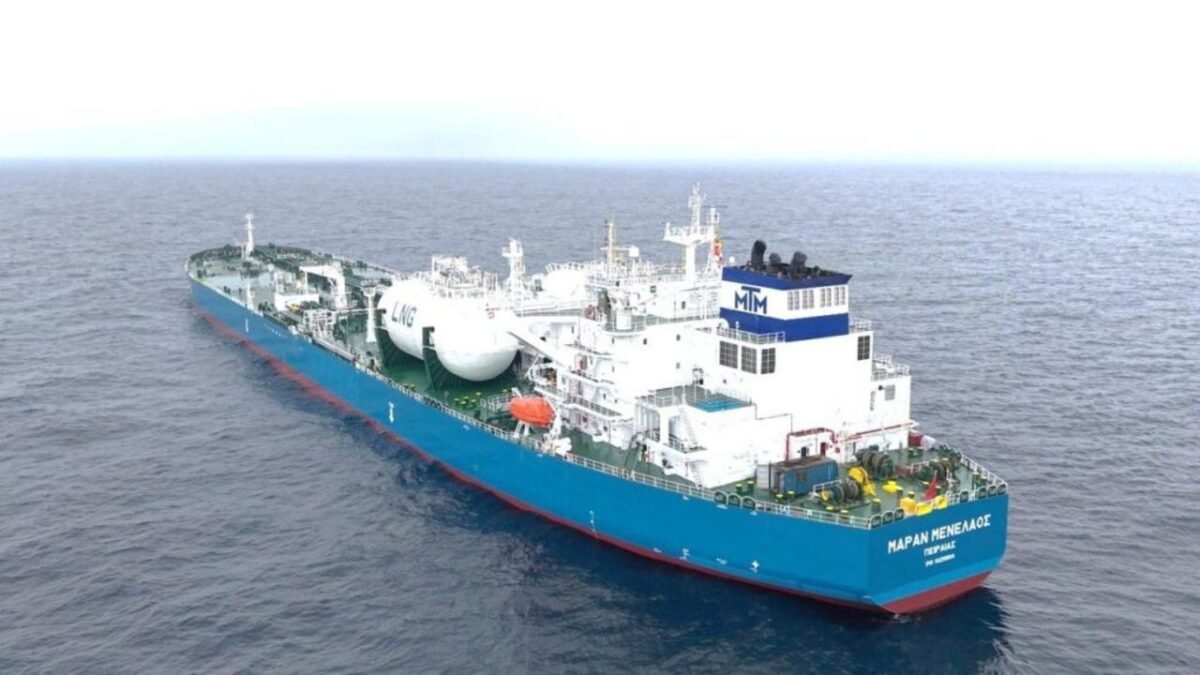
In a significant stride towards maritime sustainability and fleet modernization, Maran Tankers, a prominent entity within Greece’s esteemed Angelicoussis Group, has proudly announced the delivery of its fourth LNG dual-fuel Suezmax oil tanker. This latest addition, named Maran Myrsini, underscores a resolute commitment to energy efficiency and environmental stewardship within the global shipping industry. The integration of the Maran Myrsini into the existing fleet marks a pivotal moment, further solidifying Maran Tankers’ position at the forefront of adopting advanced, greener technologies for its expansive operations. As the maritime sector continues its ambitious journey towards decarbonization, such investments in liquefied natural gas (LNG) powered vessels are becoming increasingly crucial, offering a tangible pathway to reduced emissions and enhanced operational sustainability.
The strategic expansion with this fourth LNG dual-fuel Suezmax highlights Maran Tankers’ proactive approach to navigating the evolving regulatory landscape and meeting the growing demand for more environmentally responsible shipping solutions. This move not only reinforces the company’s operational capabilities but also sets a benchmark for other industry players contemplating similar fleet transformations. The consistent investment in such high-spec vessels demonstrates a clear vision for a future where economic viability and ecological responsibility go hand-in-hand. Stakeholders across the supply chain, from cargo owners to port authorities, are increasingly prioritizing partners who exhibit a tangible commitment to sustainable practices, making Maran Tankers’ latest acquisition a smart long-term play.
The Maran Myrsini: A New Era of Energy-Efficient Tanker Operations
The Maran Myrsini, a formidable 155,500 DWT vessel, was meticulously constructed by New Times Shipbuilding, a shipyard renowned for its advanced shipbuilding capabilities. Sailing under the Greek flag, this state-of-the-art Suezmax tanker embodies the latest in marine engineering and design, specifically tailored to maximize fuel efficiency and minimize environmental impact. Its design incorporates an optimized hull, a critical feature that reduces hydrodynamic resistance and, consequently, fuel consumption. This optimization is further complemented by a suite of energy-saving devices, strategically integrated to capture and repurpose waste energy, thereby enhancing the overall operational efficiency of the vessel.
Beyond its innovative hull design, the Maran Myrsini boasts an efficient boil-off gas management system, a crucial component for any LNG-fuelled vessel. This system effectively handles the natural evaporation of LNG in its tanks, preventing wastage and ensuring that the fuel is utilized efficiently. Furthermore, the tanker is equipped with a sophisticated shaft generator, which converts mechanical energy from the main engine into electrical power. This reduces the reliance on auxiliary generators, leading to lower fuel consumption and a further reduction in emissions. These combined technological advancements position the Maran Myrsini as a beacon of modern, sustainable tanker operation, ready to meet the rigorous demands of global oil transportation while upholding stringent environmental standards.
The vessel’s advanced features are a testament to the Angelicoussis Group’s dedication to a comprehensive fleet renewal programme. This programme is not merely about replacing older ships; it’s a strategic initiative to infuse the fleet with cutting-edge technology that delivers superior performance, enhanced safety, and reduced ecological footprints. The Maran Myrsini, like its three predecessors, represents a significant investment in a more sustainable future for maritime transport, reflecting a clear understanding of the evolving global energy landscape and the imperative for cleaner shipping solutions.
Strategic Fleet Expansion and Green Initiatives of Angelicoussis Group
The delivery of the Maran Myrsini is more than just an addition to Maran Tankers’ fleet; it is a clear manifestation of the Angelicoussis Group’s overarching strategic vision for sustainable growth and leadership in the global shipping arena. As one of the world’s largest privately-owned shipping groups, the Angelicoussis Group has consistently demonstrated a forward-thinking approach, particularly in embracing innovative technologies that promise long-term environmental and economic benefits. This ongoing fleet renewal program is meticulously designed to phase out less efficient vessels and introduce a new generation of ships that are not only compliant with current and future environmental regulations but also set new industry benchmarks for performance and efficiency.
The decision to invest heavily in LNG dual-fuel Suezmax tankers reflects a carefully calculated risk assessment, recognizing LNG as a more mature and widely available alternative marine fuel compared to emerging options like methanol. This pragmatic approach allows the group to leverage existing infrastructure and proven technology while still achieving substantial reductions in emissions. The consistency in acquiring multiple vessels of the same type underscores a commitment to standardization and operational synergy, which can lead to economies of scale in maintenance, training, and bunkering operations across the fleet. This strategic homogeneity helps streamline operations and maximize the benefits derived from their green investments.
The Angelicoussis Group’s dedication extends beyond just the vessels themselves. It encompasses a holistic approach to sustainability, including operational efficiencies, crew training, and active participation in industry dialogues about the future of maritime fuels. Their leadership in adopting LNG dual-fuel technology is likely to inspire other shipping magnates to accelerate their own decarbonization efforts, creating a ripple effect across the global maritime industry. This proactive stance not only enhances their corporate reputation but also positions them as a responsible and resilient player in an increasingly environmentally conscious world.
LNG as a Transitional Marine Fuel: Opportunities and Challenges
Liquefied natural gas (LNG) has emerged as a frontrunner among transitional marine fuels, primarily due to its proven track record and comparatively lower carbon emissions when directly compared to conventional heavy fuel oil. Its widespread availability and established bunkering infrastructure provide a practical and immediate solution for shipowners looking to reduce their environmental footprint. Vessels running on LNG emit significantly less sulfur oxides (SOx) and particulate matter, effectively eliminating both issues, and also reduce nitrogen oxides (NOx) emissions, making them compliant with stringent emission control area (ECA) regulations without the need for additional scrubbers.
However, the journey with LNG is not without its complexities. A critical aspect that often garners scrutiny is methane slip. Methane, a potent greenhouse gas, can escape unburnt from the engine during the combustion process, particularly in certain engine types. While LNG offers considerable CO2 reductions, methane slip partially undermines its overall ‘green’ credentials, raising concerns about its total greenhouse gas (GHG) impact over its lifecycle. The industry is actively working on developing advanced engine technologies and operational protocols to mitigate methane slip, aiming to maximize LNG’s environmental benefits.
Looking ahead, some forward-thinking shipowners and operators are exploring cleaner alternatives like bio-LNG. Bio-LNG is derived from sustainable biomass sources, offering even higher net GHG savings because its production and consumption can be considered carbon neutral or even carbon negative on a well-to-wake basis. A significant advantage of bio-LNG is its drop-in compatibility, meaning it can be used in existing LNG-fuelled ships without any modifications, providing a seamless pathway to further decarbonization. This flexibility makes bio-LNG a very attractive option for the long-term sustainability strategy of fleets like Maran Tankers, allowing them to future-proof their investments in LNG-ready vessels while continuously enhancing their environmental performance.
Impact on the Global Maritime Industry and Future Outlook
The increasing adoption of LNG dual-fuel Suezmax tankers by industry leaders such as Maran Tankers sends a powerful signal across the global maritime industry. It underscores a growing consensus that sustainable shipping is not just an aspiration but an urgent operational imperative. This trend reflects broader movements within the global economy towards cleaner energy and responsible resource management. Shipowners are facing intensified pressure from regulators, investors, and consumers alike to reduce emissions and demonstrate tangible progress towards decarbonization targets set by organizations like the International Maritime Organization (IMO).
The investment in advanced, fuel-efficient vessels like the Maran Myrsini also has significant implications for the competitive landscape of the tanker market. Operators with modern, eco-friendly fleets are likely to gain a competitive edge, attracting charterers who are increasingly incorporating environmental performance into their selection criteria. This creates a virtuous cycle where sustainable practices become a driver for commercial success, accelerating the overall transition of the industry towards greener technologies and operational models. The availability of diverse fuel options, including the growing potential of bio-LNG, offers flexibility and resilience to shipowners navigating the uncertainties of future fuel transitions.
Looking to the horizon, the continued push for greener shipping will undoubtedly lead to further innovations in marine propulsion and fuel technologies. While LNG serves as an essential bridge fuel, research and development into zero-emission alternatives such as ammonia, hydrogen, and advanced biofuels will continue to accelerate. The foresight shown by Maran Tankers in investing in LNG dual-fuel capabilities today positions them well to adapt to these future shifts, as many LNG-ready vessels can potentially be retrofitted for other alternative fuels with relative ease. This strategic flexibility is vital for long-term sustainability and maintaining a leadership position in a rapidly evolving global maritime landscape, setting a precedent for environmental responsibility in the tanker segment and beyond.