

Maersk sets $1,000 Asia-Europe peak surcharge for late 2026
Maersk locks in a $1,000 peak season surcharge for Asia-Europe trade in 2026 while trimming fees on Indian Subcontinent routes.
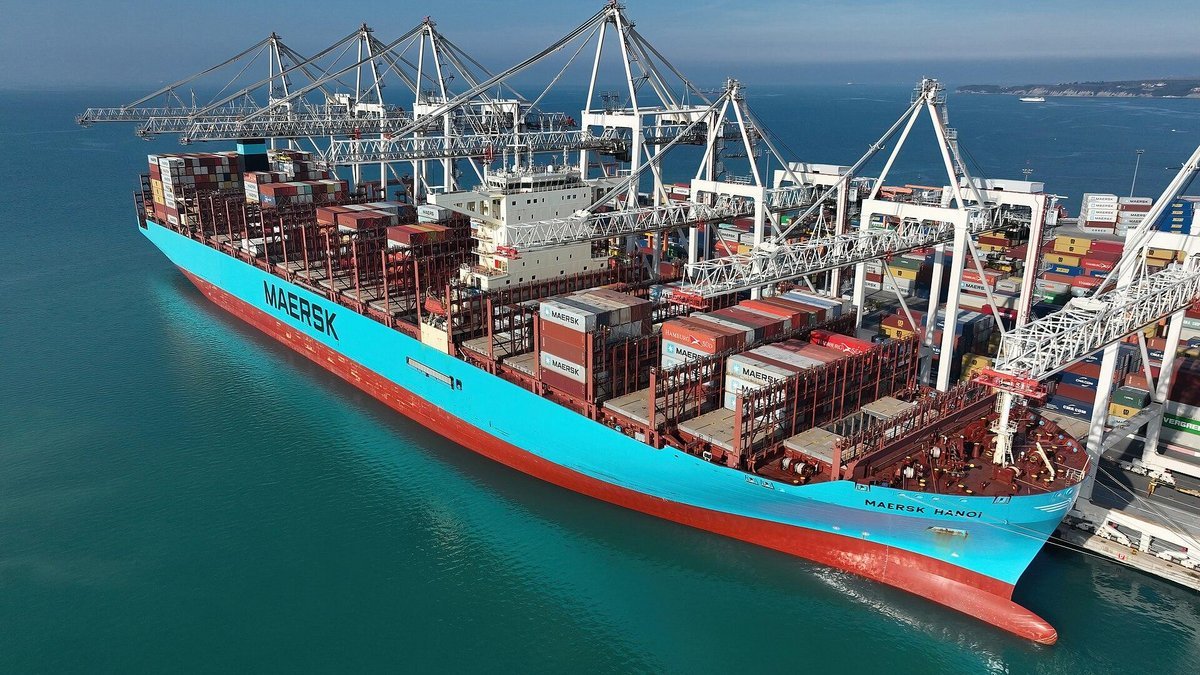
Maersk is locking in a $1,000 surcharge for 40-foot containers on the Asia-Europe trade for the 2026 peak season, signaling a high-cost environment for shippers more than two years in advance.
The carrier announced the new Peak Season Surcharge (PSS) for shipments from Far East Asia to Northern Europe will take effect December 1, 2026. The fee applies to all equipment types, including dry containers, reefers, and tanks. For 20-foot containers, the surcharge is set at $500. The geographical scope covers major hubs including China, Japan, South Korea, Vietnam, and Singapore.
In a separate move, Maersk is revising surcharges downward for shipments from the Indian Subcontinent to the US and Canadian East and Gulf coasts, effective November 14, 2026. These revised charges range from $3,000 to $3,850 per container. For origins in South and East India, Sri Lanka, and Bangladesh, the surcharge will drop by $500 across all equipment categories. Northwest India, Nepal, and Bhutan will see a $300 decrease for 20-foot dry containers, while 40-foot rates remain unchanged.
Why it matters
The $1,000 FEU surcharge on the Far East-North Europe trade lane establishes a substantial cost floor for the 2026 year-end rush. By setting these rates now, Maersk is providing a clear, if expensive, baseline for long-term planning. The broad scope of the surcharge, covering everything from standard dry boxes to specialized tanks and reefers, ensures no cargo segment escapes the added cost.
The divergence in strategy between the two regions suggests Maersk sees different demand pressures. While Asia-Europe rates are being bolstered, the reductions for Indian Subcontinent origins point to a necessary correction to keep cargo moving toward the North American East and Gulf coasts. Shippers in India and Bangladesh gain relief of up to $500 per container, which could shift the economics for price-sensitive exports.
The exclusion of SPOT bookings from the North America revisions creates a two-tier pricing structure. Contract shippers will benefit from the lower PSS levels, but spot market users remain exposed to different pricing mechanisms. This reinforces the value of long-term volume commitments over playing the spot market on these specific routes.
What to watch
The Price Calculation Date will be the deciding factor for non-SPOT bookings, with FMC-regulated shipments tied specifically to the final container gate-in date. Shippers must track these dates to avoid being caught by the December 1, 2026, deadline.
Source: Container News