

Hapag-Lloyd and ZIM add Imbituba call to Asia-South America service
Hapag-Lloyd and ZIM expand their Asia-Brazil coverage, adding Imbituba as a sixth call to the AS3 and ZFS service rotation.
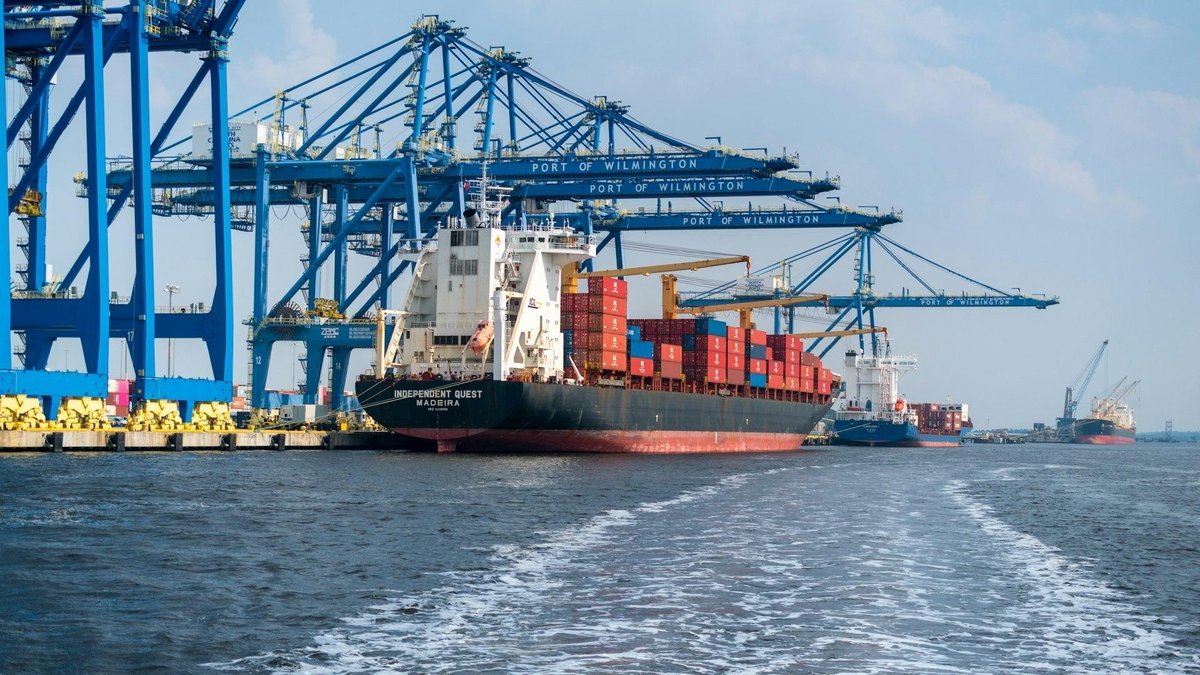
Hapag-Lloyd and ZIM are expanding their footprint in southern Brazil by adding a direct call at Imbituba to their joint Asia–East Coast South America service. The addition brings the total number of Brazilian ports on the route to six, signaling a push for deeper market penetration along the country’s southern coastline.
The service, marketed as AS3 by Hapag-Lloyd and ZIM Falcon Service (ZFS) by ZIM, provides weekly connections between major Asian hubs and the South American East Coast. According to reports from DynaLiners, the revised rotation places Imbituba between Rio Grande and Itajaí.
The new port sequence for the Brazilian leg is Rio Grande, Imbituba, Itajaí, Paranaguá, Santos, and Rio de Janeiro. The carriers have also adjusted the order of calls at Itajaí and Paranaguá compared to the original schedule. The service was introduced in September 2026 to provide weekly connections between major Asian ports and Brazil.
Why it matters
The addition of Imbituba signals a strategic shift toward granular port coverage in Brazil’s southern industrial heartland. By calling at six different Brazilian ports, Hapag-Lloyd and ZIM are prioritizing direct access for shippers over the faster transit times typically achieved with a streamlined rotation. This move likely aims to capture regional exports that would otherwise require longer, more expensive truck hauls to reach a deep-sea vessel.
For cargo owners in the state of Santa Catarina, the Imbituba call provides a vital alternative to the hubs of Itajaí and Paranaguá. By securing a direct connection for containerised cargo moving between Asia and the East Coast of South America, the carriers are offering a more localized gateway for southern Brazilian trade.
Terminal operators in the region now face a more competitive environment. Imbituba’s inclusion on a major Asia-South America loop elevates its status, potentially drawing volumes away from neighboring facilities that previously dominated the southern trade. The reshuffle of the Itajaí and Paranaguá calls suggests the carriers are optimizing the rotation to manage berth availability or specific cargo flow requirements across these competing southern ports.
What to watch
The impact of the expanded rotation on schedule reliability and transit times for the final Brazilian calls at Santos and Rio de Janeiro.
Source: Container News