

Maersk and Hapag-Lloyd shift three Gemini services back to Suez Canal
Maersk and Hapag-Lloyd move NE1, NE2 and NE3 services back to the Red Sea route to improve Asia-Europe transit efficiency.
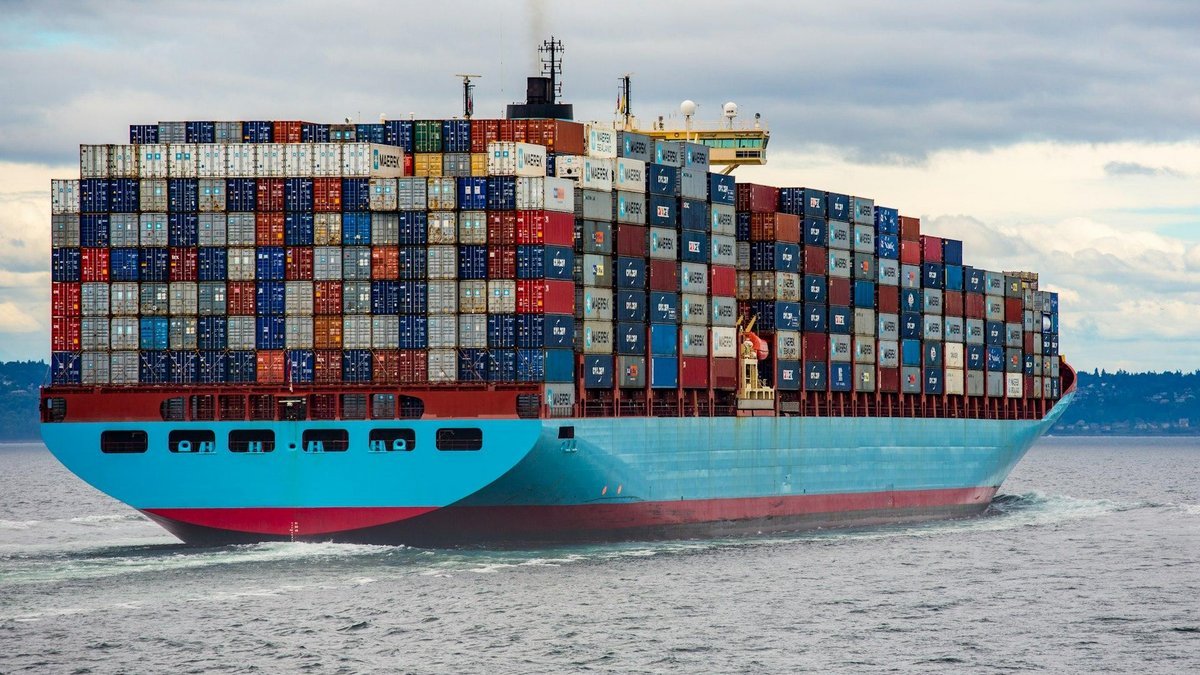
Maersk and Hapag-Lloyd will return three additional Gemini Cooperation services to the Red Sea and Suez Canal, prioritizing transit efficiency over the longer Cape of Good Hope route. The NE1, NE2 and NE3 services will transition to the trans-Suez corridor on a structural basis for both westbound and eastbound sailings.
The carriers based the decision on a new assessment of security conditions in the Red Sea region. The transition begins with Asia-originating voyages in early February. The MSC Alexandra is scheduled to depart for the NE2 service on February 1, followed by the Maersk Camden for NE3 on February 12 and the Maersk Elba for NE1 on February 14. Eastbound return voyages from Europe are scheduled to begin in mid-to-late March.
Maersk and Hapag-Lloyd stated that the Suez Canal route offers a more efficient connection for cargo moving between Asia and Europe. While the announced dates remain approximate and subject to operational conditions, the move expands the carriers’ gradual return to the corridor.
Why it matters
This shift signals that the Gemini Cooperation partners are ready to trade the relative predictability of the Cape of Good Hope for the speed of the Suez Canal. For cargo owners and charterers, this means shorter transit times and a more direct link between Asian manufacturing hubs and European markets. The move suggests the carriers believe they can now manage the security risks that previously forced them into the costlier, longer route around Africa.
The decision places a premium on network efficiency. By returning to the Suez, Maersk and Hapag-Lloyd aim to optimize vessel utilization and reduce the extra steaming time required for the Cape route. This structural change will likely force competitors to decide whether to follow suit or risk losing market share to Gemini’s faster schedules.
However, the return is not without operational exposure. While the carriers cite improved security assessments, they admit the situation requires constant monitoring. Any escalation in regional threats could force these services back to the Cape, creating sudden schedule disruptions for shippers who have committed cargo to the Suez-bound vessels.
What to watch
The carriers will monitor regional security conditions and may introduce further adjustments to their routing if the situation changes. The success of these initial February voyages will determine if more Gemini services follow the NE1, NE2 and NE3 back into the Red Sea.
Source: Container News