Maersk adds $200 heavy-load fee to China–South America trade

Maersk will charge $200 for containers over 23 tonnes on China–South America routes, adding costs for heavy cargo shippers from December 2026.
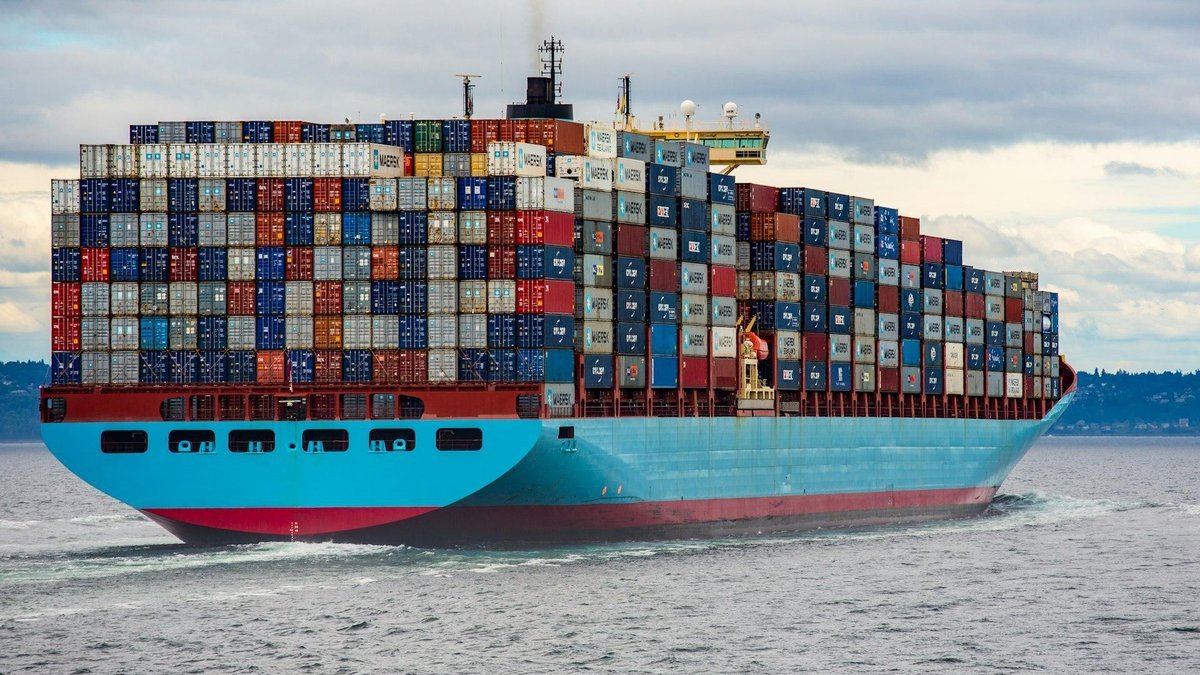
Maersk will impose a $200 surcharge on containers exceeding 23 metric tonnes for shipments from China to the East Coast of South America starting December 5, 2026, raising the cost of moving heavy industrial and raw goods on the route.
The new fee applies to the Verified Gross Mass (VGM), which includes the cargo weight, dunnage, securing materials, and the container’s tare weight. It covers shipments originating from Shanghai, Qingdao, Xingang, and Dalian. The destination list includes Santos, Itapoa, Itajai, and Paranagua in Brazil, alongside Montevideo in Uruguay and Buenos Aires in Argentina.
Maersk confirmed the surcharge applies to all ocean products, including contract bookings, SPOT, and Maersk Go. This measure builds on an existing $200 surcharge for 20-foot dry equipment exceeding 20 metric tonnes, which has been in effect since July 17, 2026.
Why it matters
Shippers of heavy commodities now face a tiered penalty system that targets the upper weight limits of standard equipment. By setting the threshold at 23 tonnes for all containers, Maersk is expanding its weight-based pricing beyond the 20-footers already penalized. This move forces cargo owners to choose between paying the premium or reducing load weights per box, which could increase the total number of containers required for the same volume of goods.
The surcharge likely reflects operational pressures on the China–South America trade lane. Heavier vessels face higher fuel consumption and stricter draft limitations at key South American terminals like Santos and Buenos Aires. By disincentivizing heavy loads, the carrier can maximize the number of slots filled on a vessel without hitting weight or draft constraints.
For traders and charterers, the inclusion of SPOT and Maersk Go bookings means there is no way to bypass the fee through short-term market plays. This makes the $200-per-box hit a fixed cost for any heavy cargo planned for the 2027 trade cycle.
What to watch
Watch for other major carriers on the China–South America route to implement similar weight-based surcharges before the December 5 deadline.