Maersk Abandons Capacity Cap with First 24,000 TEU Vessel Order

Maersk pivots strategy with an order for 12 ultra-large vessels, signaling a push to defend its market rank against rivals like CMA CGM.
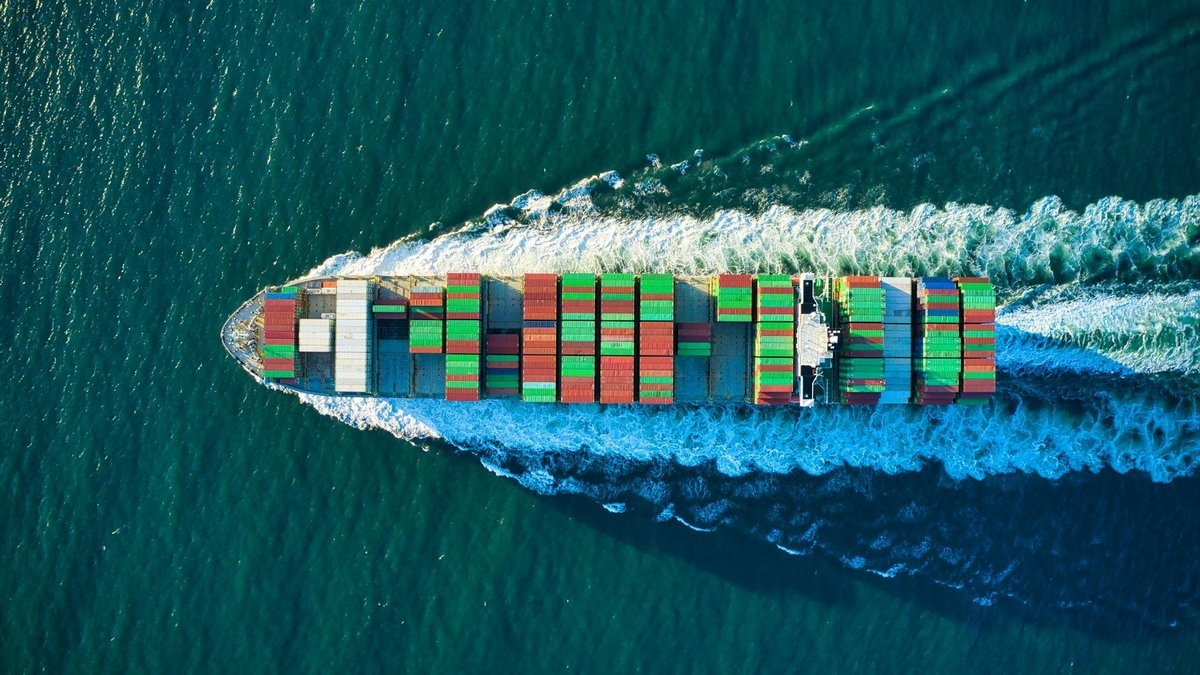
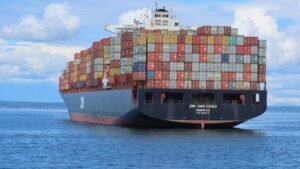
Maersk has ordered 12 ultra-large container vessels at 24,000 TEU each, marking its first move into the industry’s largest ship class and a departure from its previous commitment to cap fleet capacity. These ships will feature dual-fuel engines capable of running on LNG and conventional bunker fuel, with deliveries scheduled for 2030 and 2031. The carrier did not name the shipyard or the price, though reports link the deal to China’s Hengli Heavy Industries.
The move follows a series of orders for 18,600 TEU vessels placed earlier this year. In September, Maersk confirmed 26 ships of that size, following an order for eight more in February. CEO Vincent Clerc told investors that the company is evaluating its renewal strategy to remain competitive and expects to finalize more newbuild orders in the coming months.
Maersk currently operates a fleet of 742 vessels with a capacity of nearly 4.7 million TEU. Alphaliner data shows the carrier now has 1.8 million TEU on order across 137 vessels. This surge in ordering comes as CMA CGM approaches a capacity of 4.5 million TEU, threatening to overtake Maersk as the world’s second-largest carrier.
Why it matters
Maersk is finally surrendering to the industry standard for scale. While competitors moved to the 24,000 TEU range six years ago, Maersk stayed with the 18,000 to 20,000 TEU Triple E class. By ordering these ultra-large vessels, the carrier admits that its previous strategy of maintaining a 4.3 million TEU fleet is no longer compatible with staying competitive on the most cargo-intensive trade lanes.
This pivot is a direct response to the pressure from CMA CGM. With the French carrier closing the gap to within 200,000 TEU, Maersk must expand its orderbook or lose its ranking. The decision to use LNG dual-fuel engines also signals a pragmatic shift in its decarbonization path, aligning with broader industry trends despite its earlier focus on other alternative fuels.
The timing of these deliveries in 2030 and 2031 suggests Maersk is banking on a massive recycling wave to offset the incoming tonnage. The global container orderbook now stands at 16 million TEU, nearly half of the existing world fleet. For shipowners and charterers, this massive influx of capacity risks a prolonged period of oversupply unless older, less efficient ships are scrapped at an unprecedented rate.
What to watch
The next trigger will be the finalization of additional newbuild orders mentioned by Clerc, which will reveal how far Maersk intends to push its total capacity beyond the 5 million TEU mark. Watch for Alphaliner’s monthly rankings to see if CMA CGM manages to leapfrog Maersk before these new vessels hit the water.